
U.S. Crypto ATM Regulations: A Catalyst for Investor Confidence and Institutional Adoption?
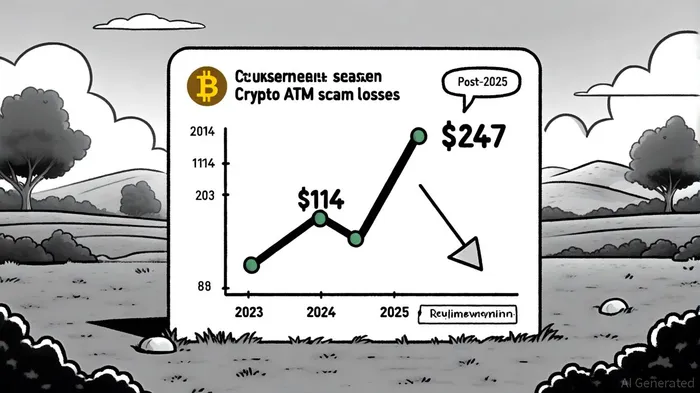
The U.S. cryptocurrency market is at a pivotal juncture as lawmakers target a growing vector of fraud: crypto ATMs. With scams exploiting these kiosks costing consumers over $247 million in 2024 alone[2], the Crypto ATM Fraud Prevention Act of 2025 (S. 710) has emerged as a landmark regulatory proposal. This bill, introduced by a bipartisan group of senators, seeks to curb fraudulent activity by imposing transaction limits, mandating fraud warnings, and requiring compliance infrastructure. For investors and institutions, the implications extend beyond consumer protection—this legislation could reshape market dynamics, investor sentiment, and institutional participation in crypto.
Key Provisions and Their Market Implications
The bill's core measures include:
1. Transaction Caps and Verification: New users are limited to $2,000 daily or $10,000 over 14 days, with verbal confirmation required for transactions above $500[1]. These caps aim to reduce the appeal of crypto ATMs to fraudsters while protecting novice investors from impulsive, high-risk trades.
2. Fraud Warnings and Receipts: Operators must display warnings about common scams (e.g., impersonation of officials) and provide receipts with transaction hashes and timestamps[1]. Such transparency could mitigate the “irreversibility” risk of crypto transactions, a key concern for retail investors.
3. Compliance Infrastructure: Operators must register with the Treasury, appoint a chief compliance officer, and submit location updates[1]. This aligns crypto ATMATM-- operators with traditional financial institutions, potentially lowering regulatory uncertainty for institutional players.
Investor Sentiment: A Double-Edged Sword
For retail investors, the bill's consumer-centric safeguards could restore trust in crypto ATMs. According to a report by the Federal Trade Commission (FTC), losses from crypto ATM scams surged by 117% year-on-year in 2024[2]. By reducing exposure to scams, S. 710 may encourage first-time investors to engage with crypto without fear of exploitation. However, critics argue that transaction limits could deter high-volume traders, potentially shrinking the user base for smaller operators[2].
Institutional investors, meanwhile, may view the bill as a step toward regulatory clarity. The requirement for Treasury registration and compliance frameworks mirrors the Know-Your-Customer (KYC) standards of traditional finance, which could make crypto ATMs more palatable to banks and asset managers. As stated by a Bloomberg analyst, “Regulatory alignment with legacy systems is critical for institutional adoption—this bill addresses that gap.”
Institutional Adoption: A Path to Legitimacy
The bill's emphasis on compliance infrastructure could accelerate institutional entry into the crypto ATM sector. For example, the mandate for a chief compliance officer and anti-fraud policies aligns with the risk management expectations of institutional investors. This mirrors state-level trends, such as Vermont's 2024 licensing requirements for operators[2], which have already attracted partnerships between traditional financial firms and crypto ATM networks.
However, challenges remain. Smaller operators may struggle with compliance costs, potentially consolidating the market and reducing competition. Additionally, the effectiveness of the $2,000 daily cap hinges on enforcement—scammers could exploit loopholes by targeting users across multiple kiosks.
Broader Regulatory Trends and Investor Outlook
The Crypto ATM Fraud Prevention Act is part of a broader shift in U.S. crypto policy. With states like Arizona and Nebraska implementing refund policies and deposit caps[2], a patchwork of regulations is emerging. While this could complicate cross-state operations, it also signals a growing consensus on consumer protection—a critical factor for long-term market growth.
For investors, the bill's passage could signal a maturing market. A 2025 Axios analysis noted that “regulatory clarity is the single most important factor in institutional crypto adoption[2].” By addressing fraud risks, S. 710 may catalyze increased capital inflows, particularly from risk-averse institutions.
Conclusion
The Crypto ATM Fraud Prevention Act of 2025 represents a pivotal moment for U.S. crypto markets. While transaction limits and compliance mandates may initially raise operational costs, the long-term benefits—reduced fraud, enhanced trust, and regulatory alignment—could outweigh these challenges. For investors, the bill's passage may serve as a catalyst for broader institutional adoption, transforming crypto ATMs from a high-risk niche into a mainstream financial tool.







Comentarios
Aún no hay comentarios