
Cruise Line Revival: Royal Caribbean's Strategic Moves in 2025
Consumer Behavior: From Cost-Cutting to Experiential Spending
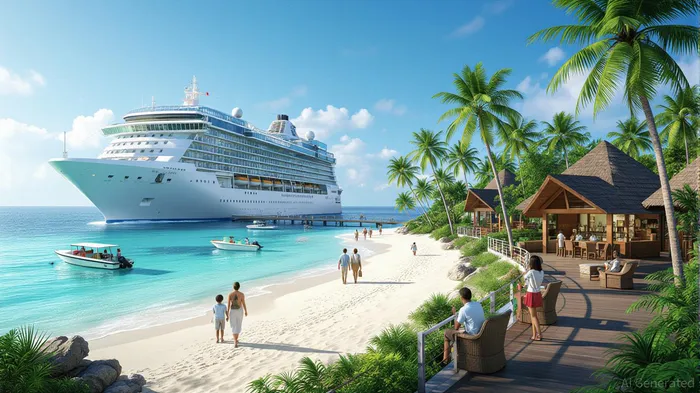
Despite macroeconomic headwinds, consumers continue to prioritize travel over discretionary spending in other sectors. According to a report, approximately 75% of travelers plan to maintain or increase their leisure spending in 2025, with a particular emphasis on "meaningful" experiences. This trend is especially pronounced among millennials and Gen Z, who favor spontaneous, destination-driven trips over traditional vacation planning. Royal Caribbean has responded by expanding its portfolio of exclusive private destinations, such as the Royal Beach Club in the Bahamas and the upcoming Santorini location, which offer immersive, luxury-focused experiences.
 The company's digital strategy further amplifies this shift. Nearly half of onboard transactions are now processed through mobile devices, and 90% of pre-cruise revenue is booked digitally. This e-commerce success is underpinned by a "commercial flywheel" strategy that integrates loyalty programs, digital adoption, and destination exclusivity. For instance, the Points Choice program allows customers to earn and redeem points across Royal Caribbean's brands, fostering cross-brand loyalty and repeat bookings.
Capital Allocation: Balancing Growth and Shareholder Returns
Royal Caribbean's 2025 capital allocation strategy reflects a disciplined approach to growth and financial stability. The company has secured $1.5 billion in unsecured financing to fund new ship launches, including the Star of the Seas and Celebrity Xcel, which are designed to drive premium pricing and capacity growth. These ships, part of a seven-ship pipeline through 2028, are expected to moderate overall industry capacity increases while enhancing yield per guest.
Simultaneously, Royal Caribbean has prioritized debt reduction, trimming long-term liabilities by $3.5 billion since 2022 and achieving investment-grade credit ratings. This financial prudence has enabled the company to boost shareholder returns, with an increased dividend and a $1.5 billion share buyback program announced in late 2025. CEO Jason Liberty emphasized this balanced approach, stating that capital allocation is "about both fueling growth and delivering value to our owners."
Brand Partnerships and Market Positioning: Diversifying the Leisure Ecosystem
Royal Caribbean's multi-brand strategy is a cornerstone of its market positioning. While Royal Caribbean International targets families and couples with active, amenity-rich itineraries, Celebrity Cruises and Silversea cater to affluent travelers seeking luxury and personalization. This segmentation is being expanded through ventures like Celebrity River Cruises, a 2027 launch targeting the $12 billion river cruise market.
The company is also redefining leisure travel by creating hybrid destinations that blend cruise itineraries with exclusive onshore experiences. For example, the Royal Beach Club in Paradise Island now hosts corporate retreats and team-building events, tapping into the growing demand for business-travel hybrids. These initiatives align with broader trends in the $2 trillion global vacation market, where travelers increasingly seek unique, destination-driven offerings.
Sustainability and Long-Term Resilience
Royal Caribbean's strategic investments extend beyond financial metrics. The company has integrated sustainability into its private destination model, with initiatives like wastewater treatment and ecosystem preservation at locations such as Perfect Day Mexico. This focus on environmental stewardship not only mitigates regulatory risks but also appeals to eco-conscious travelers, a demographic expected to grow in influence.
Conclusion: A Model for Post-Pandemic Revival
Royal Caribbean's 2025 strategy exemplifies how a forward-thinking approach to consumer behavior and capital allocation can drive resilience in a cyclical industry. By investing in premium assets, digital innovation, and exclusive destinations, the company is capturing a disproportionate share of the rebound in leisure spending. For investors, the combination of strong net yield growth (projected at 3.5–4% for 2025), disciplined debt management, and a diversified brand portfolio suggests a compelling long-term opportunity. As the world relearns the value of travel, Royal Caribbean is not just riding the wave-it is shaping it.







Comentarios
Aún no hay comentarios