
Crossfire in the Atlantic: How the US-EU Trade War is Reshaping Auto and Tech Investments
The transatlantic trade landscape is undergoing a seismic shift. As tensions between the U.S. and EU escalate, the auto and tech sectors are ground zero for a conflict that could redefine global supply chains, corporate profitability, and investment strategies. With unilateral tariffs, retaliatory measures, and WTOWTO-- disputes dominating headlines, investors must act swiftly to navigate this volatile terrain. Here’s how to position your portfolio for maximum gain—and minimal pain.
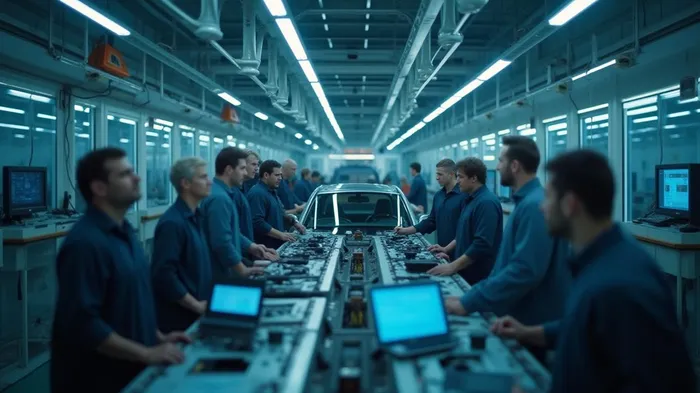
Auto Sector: The New Frontline of Economic Warfare
The U.S. has already imposed a 25% tariff on EU auto exports, triggering a retaliatory threat from the EU to tax $107 billion in U.S. goods, including automotive parts and machinery. This creates a lose-lose scenario for automakers on both sides:
- European automakers (BMW, Renault, Volkswagen) face soaring costs as their exports to the U.S. become pricier, while their reliance on U.S.-sourced parts (e.g., semiconductors) exposes them to retaliatory tariffs.
- U.S. manufacturers (Ford, GM) could see their European sales hit by EU countermeasures, but their domestic operations may benefit from reduced foreign competition.
This chart underscores the divergence: Tesla’s +18% return contrasts sharply with BMW’s -12% decline, reflecting investor skepticism about European auto exposure.
Tech Sector: A Battlefield for Innovation and Trade Dominance
The EU’s countermeasures extend beyond autos to tech, targeting $7.2 billion in U.S. electrical exports (including semiconductors and computing hardware). Key dynamics:
- U.S. tech giants (Apple, Microsoft) face risks if the EU escalates tariffs to include consumer electronics or cloud services. However, their global diversification and minimal reliance on EU supply chains make them relatively insulated.
- European tech firms are already at a disadvantage, with rising costs for components sourced from the U.S.
Apple derives only 12% of revenue from Europe, making it less vulnerable than peers like ASML (which relies on U.S. tech).
The Hidden Winners and Losers
- Winners:
- U.S. auto parts suppliers (e.g., BorgWarner, LKQ) benefit as U.S. automakers prioritize domestic sourcing.
Utilities and healthcare (e.g., Pfizer, NextEra Energy) remain defensive havens amid market volatility.
Losers:
- European auto ETFs (EUV): This ETF, tracking European auto stocks, has fallen 22% year-to-date, with further downside risk if tariffs take effect.
- Aircraft manufacturers (Boeing) face existential pressure as EU airlines (Ryanair, Lufthansa) threaten to pivot to Chinese competitors like COMAC.
Hedging Strategies for the July Deadline
With the U.S.-EU tariff pause set to expire in early July, investors should:
1. Short EUV: Bet on further declines in European auto stocks as trade tensions peak.
2. Overweight U.S. tech stocks (XLK): Focus on firms with minimal EU exposure, like Apple or NVIDIA.
3. Diversify into utilities (XLU): These stable sectors offer ballast against market swings.
Conclusion: Act Before the Clock Runs Out
The July 2025 deadline is a ticking time bomb. Investors who wait until the last minute may miss the window to capitalize on this geopolitical shift. The data is clear: U.S. tech outperforms, European autos falter, and defensive sectors thrive. Position your portfolio now—or risk being left behind in this new era of transatlantic trade warfare.
The stakes are high, but the opportunities are clearer than ever. Move decisively.







Comentarios
Aún no hay comentarios