
From Crop Rotation to 'Mob-Grazed' Livestock: Inside King Charles' Sustainable Farm
Generado por agente de IAWesley Park
domingo, 2 de marzo de 2025, 7:22 pm ET2 min de lectura
ANSC--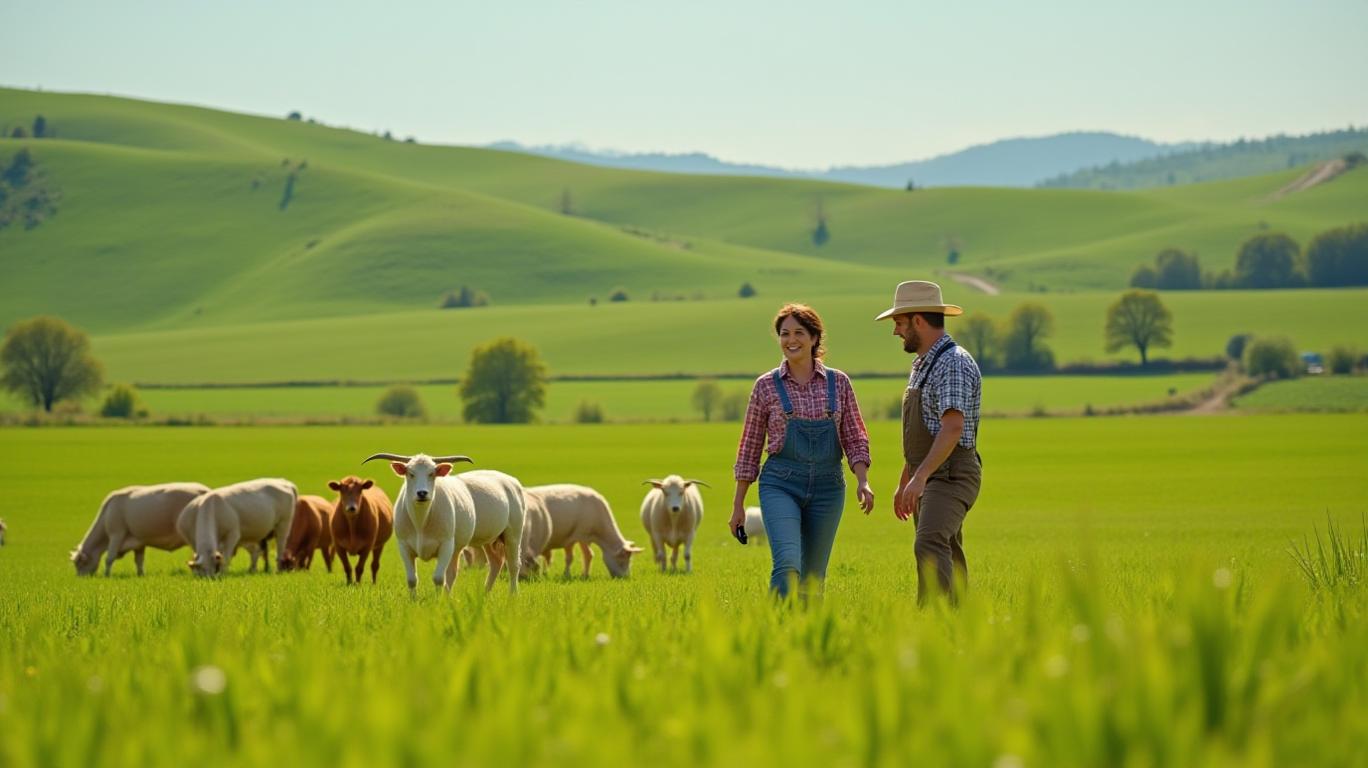
As King Charles III ascends to the throne, his passion for sustainable farming and environmental conservation continues to inspire. One of his most beloved initiatives is the sustainable farmFARM-- he established at Home Farm, adjacent to his Highgrove House. This farm, which practices organic and sustainable agricultureANSC--, is a testament to King Charles' commitment to promoting eco-friendly practices and combating climate change.
The farm's approach to sustainability is centered around two key practices: crop rotation and 'ob-grazed' livestock. Crop rotation involves planting different crops in succession to improve soil health, prevent nutrient depletion, and enhance biodiversity. This practice helps to maintain the farm's productivity and resilience, even in the face of extreme weather events and climate change. By incorporating a diverse range of crops, the farm is better equipped to adapt to changing environmental conditions and maintain consistent yields.
In addition to crop rotation, the farm also practices 'ob-grazed' livestock management. This approach involves raising livestock on organic, pasture-based systems, where they are allowed to graze on diverse pastures in a controlled manner. This practice mimics natural herbivore behavior, promoting plant growth and nutrient uptake, and improving soil fertility. By integrating livestock into the farm's ecosystem, the farm is able to cycle nutrients through the soil, reducing the need for synthetic inputs and promoting a more sustainable and resilient system.
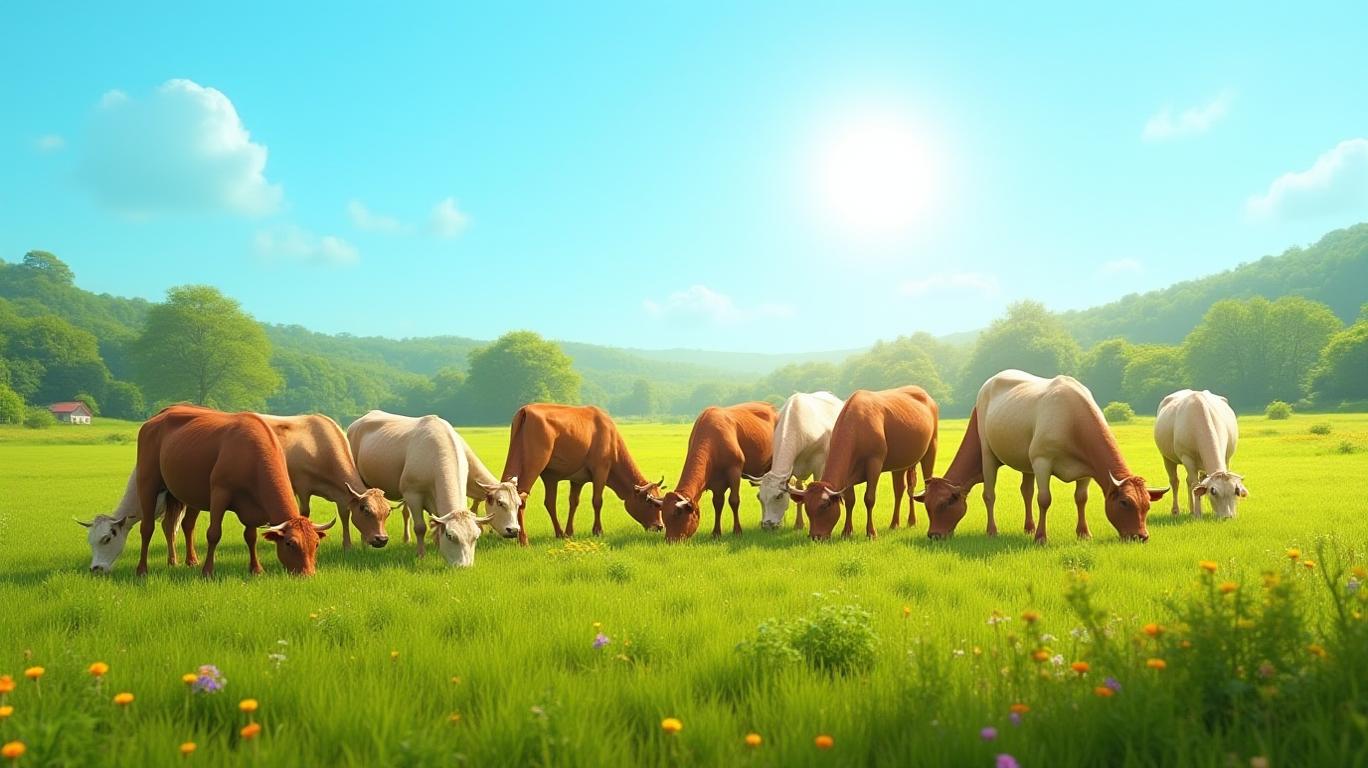
The farm's approach to sustainability aligns with King Charles' environmental values and initiatives, which have been a driving force behind his advocacy for organic farming, water management, biodiversity, and carbon sequestration. By promoting these practices, the farm is not only contributing to a more sustainable and resilient food system but also helping to mitigate climate change and preserve natural habitats.
The royal endorsement of this sustainable farm has played a significant role in promoting similar practices among other farmers and investors. King Charles' influence as the Head of State and his long-standing commitment to environmental protection and sustainability give credibility to the farm's approach. This can encourage other farmers and investors to adopt similar practices, as they are seen as being endorsed by a highly influential figure. Moreover, the success of the farm's practices, as evidenced by its profitability and positive environmental outcomes, can serve as a real-world example of the benefits of sustainable farming, further incentivizing others to adopt similar approaches.
In conclusion, the sustainable farm beloved by King Charles III is a shining example of how crop rotation and 'ob-grazed' livestock can contribute to a more sustainable and resilient food system. By aligning with King Charles' environmental values and initiatives, the farm is not only promoting a more eco-friendly approach to agriculture but also helping to combat climate change and preserve natural habitats. The royal endorsement of this sustainable farm has the potential to inspire other farmers and investors to adopt similar practices, contributing to a more sustainable and resilient future for all.
FARM--
As King Charles III ascends to the throne, his passion for sustainable farming and environmental conservation continues to inspire. One of his most beloved initiatives is the sustainable farmFARM-- he established at Home Farm, adjacent to his Highgrove House. This farm, which practices organic and sustainable agricultureANSC--, is a testament to King Charles' commitment to promoting eco-friendly practices and combating climate change.
The farm's approach to sustainability is centered around two key practices: crop rotation and 'ob-grazed' livestock. Crop rotation involves planting different crops in succession to improve soil health, prevent nutrient depletion, and enhance biodiversity. This practice helps to maintain the farm's productivity and resilience, even in the face of extreme weather events and climate change. By incorporating a diverse range of crops, the farm is better equipped to adapt to changing environmental conditions and maintain consistent yields.
In addition to crop rotation, the farm also practices 'ob-grazed' livestock management. This approach involves raising livestock on organic, pasture-based systems, where they are allowed to graze on diverse pastures in a controlled manner. This practice mimics natural herbivore behavior, promoting plant growth and nutrient uptake, and improving soil fertility. By integrating livestock into the farm's ecosystem, the farm is able to cycle nutrients through the soil, reducing the need for synthetic inputs and promoting a more sustainable and resilient system.
The farm's approach to sustainability aligns with King Charles' environmental values and initiatives, which have been a driving force behind his advocacy for organic farming, water management, biodiversity, and carbon sequestration. By promoting these practices, the farm is not only contributing to a more sustainable and resilient food system but also helping to mitigate climate change and preserve natural habitats.
The royal endorsement of this sustainable farm has played a significant role in promoting similar practices among other farmers and investors. King Charles' influence as the Head of State and his long-standing commitment to environmental protection and sustainability give credibility to the farm's approach. This can encourage other farmers and investors to adopt similar practices, as they are seen as being endorsed by a highly influential figure. Moreover, the success of the farm's practices, as evidenced by its profitability and positive environmental outcomes, can serve as a real-world example of the benefits of sustainable farming, further incentivizing others to adopt similar approaches.
In conclusion, the sustainable farm beloved by King Charles III is a shining example of how crop rotation and 'ob-grazed' livestock can contribute to a more sustainable and resilient food system. By aligning with King Charles' environmental values and initiatives, the farm is not only promoting a more eco-friendly approach to agriculture but also helping to combat climate change and preserve natural habitats. The royal endorsement of this sustainable farm has the potential to inspire other farmers and investors to adopt similar practices, contributing to a more sustainable and resilient future for all.

Divulgación editorial y transparencia de la IA: Ainvest News utiliza tecnología avanzada de Modelos de Lenguaje Largo (LLM) para sintetizar y analizar datos de mercado en tiempo real. Para garantizar los más altos estándares de integridad, cada artículo se somete a un riguroso proceso de verificación con participación humana.
Mientras la IA asiste en el procesamiento de datos y la redacción inicial, un miembro editorial profesional de Ainvest revisa, verifica y aprueba de forma independiente todo el contenido para garantizar su precisión y cumplimiento con los estándares editoriales de Ainvest Fintech Inc. Esta supervisión humana está diseñada para mitigar las alucinaciones de la IA y garantizar el contexto financiero.
Advertencia sobre inversiones: Este contenido se proporciona únicamente con fines informativos y no constituye asesoramiento profesional de inversión, legal o financiero. Los mercados conllevan riesgos inherentes. Se recomienda a los usuarios que realicen una investigación independiente o consulten a un asesor financiero certificado antes de tomar cualquier decisión. Ainvest Fintech Inc. se exime de toda responsabilidad por las acciones tomadas con base en esta información. ¿Encontró un error? Reportar un problema


SOBRE NOSOTROS
Nuestra historiaAutores de noticiasBase de conocimientosPolítica de privacidadTérmino de usoDescargo de responsabilidad de corretaje de tercerosTérminos de uso de AIMEDivulgaciones de riesgos de AInvest AICarrerasCONTÁCTENOS
Email: support@ainvest.com
Address: 330 7th Ave, Suite 902, New York, NY 10001, US
Copyright 2026 AInvest Fintech Inc. All rights reserved.


Comentarios
Aún no hay comentarios