
Critical Minerals: The New Frontier in Energy Transition Investing
The global energy transition is reshaping investment landscapes, and nowhere is this more evident than in the race to secure critical minerals—the unsung heroes powering electric vehicles (EVs), renewable energy systems, and advanced technologies. On Tuesday, May 6th, two companies at the forefront of this shift—American Resources Corporation (ARCC) and ReElement Technologies—will present at a Maxim Group LLC virtual conference dedicated to critical minerals. This event underscores a pivotal moment: the demand for minerals like lithium, cobalt, and rare earth elements is surging, while supply chain vulnerabilities threaten to stall progress. For investors, understanding this dynamic is no longer optional—it’s essential.
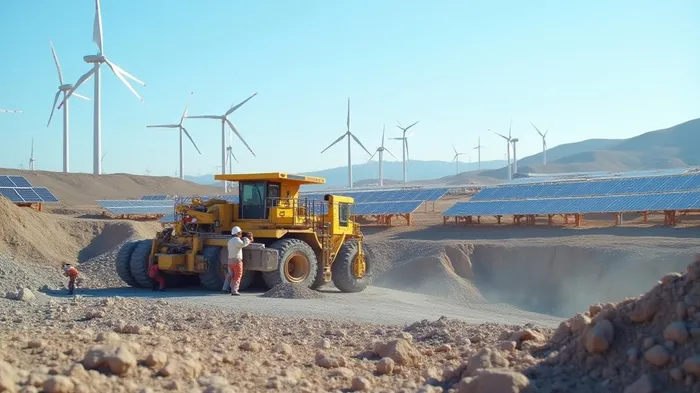
The Critical Minerals Imperative
The International Energy Agency (IEA) warns that global demand for critical minerals could grow by up to 600% by 2040 to meet climate goals. Lithium, for instance, is a cornerstone of EV batteries, with its demand expected to increase tenfold by 2030. Similarly, rare earth elements (REEs) are indispensable for wind turbines and permanent magnet motors. Yet, geopolitical tensions, environmental regulations, and underdeveloped supply chains have created bottlenecks. This scarcity has sparked a global scramble to secure domestic production and recycling capabilities—a challenge both ARCC and ReElement aim to address.
American Resources: A Diversified Play on Legacy and Renewal
American Resources, a diversified mining and industrial company, has positioned itself as a critical minerals player through its subsidiaries, including American Lithium and Sunrise Proppant. Its portfolio spans lithium brine projects in Nevada and industrial minerals for fracking and construction. While historically linked to coal, ARCC has pivoted aggressively toward renewables, leveraging its operational expertise and landholdings.
Despite its strategic moves, ARCC’s stock has faced volatility, reflecting broader market skepticism about its ability to transition. However, its recent partnerships, such as a lithium extraction deal with a major battery manufacturer, suggest growing traction. The company’s valuation, however, remains tied to lithium price trends and regulatory approvals—a double-edged sword in a nascent sector.
ReElement Technologies: Recycling as a Strategic Edge
ReElement Technologies, a younger entrant, focuses on closed-loop recycling of critical minerals from spent batteries and electronics. Its proprietary processes aim to recover lithium, cobalt, and nickel at lower costs and with a smaller environmental footprint than mining. This aligns with the EU’s Circular Economy Action Plan and the U.S. Inflation Reduction Act’s emphasis on domestic recycling infrastructure.
While ReElement’s financials are less public, its technology has drawn interest from automakers and battery recyclers. The company’s scalability hinges on securing partnerships and securing funding—a path that could be accelerated by its conference appearance. Its model addresses a key pain point: the World Bank estimates that recycling could meet 22% of global lithium demand by 2040, reducing reliance on newly mined materials.
The Investment Case: Risks and Rewards
Investing in critical minerals companies requires balancing optimism with pragmatism. Key risks include:
Price Volatility:
Lithium prices have swung wildly—from $10,000/ton in 2020 to over $60,000/ton in 2022—due to supply disruptions and speculative demand. Companies like ARCC are vulnerable to these swings.Regulatory Hurdles: Environmental regulations and permitting delays, particularly in the U.S., can stall mining projects. ReElement’s recycling focus sidesteps some of these issues but faces technical scalability challenges.
Geopolitical Risks: China currently dominates 80% of global rare earth processing. Diversifying supply chains is a priority, but progress is slow.
Why the Conference Matters
Maxim Group’s conference offers a rare opportunity to assess these companies’ strategies directly. Investors should scrutinize:
- ARCC’s lithium project timelines: Will its Nevada operations achieve production targets without cost overruns?
- ReElement’s partnerships: Does the company have agreements with automakers or battery firms to secure feedstock?
- Scalability: Can either firm meet the projected demand without diluting equity or overextending?
Conclusion: A Strategic Inflection Point
The critical minerals sector is no longer a niche investment theme. With EV sales expected to hit 35 million units annually by 2030 (BNEF estimate), the demand for lithium alone will require 1,500 new mines globally—a near-impossible target without innovation in recycling and mining efficiency.
For investors, ARCC represents a bet on legacy infrastructure and geographic proximity to U.S. markets, while ReElement embodies the promise of circularity and reduced environmental impact. Both companies, however, must navigate a landscape fraught with execution risks. The May 6th conference could provide clarity on whether these firms are positioned to capitalize on the $1.2 trillion U.S. infrastructure spending or the EU’s €150 billion plan for green tech.
The energy transition is not just about solar panels and wind farms—it’s about the minerals that make them possible. Those who invest wisely in this space today may secure a stake in the next era of industrial dominance.







Comentarios
Aún no hay comentarios