
Crisis as Catalyst: Tragic Events and the Reshaping of Media and Tech Markets in 2025
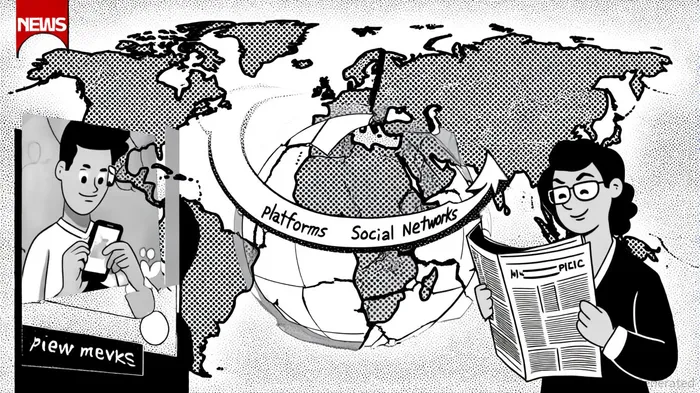
In 2025, the world has been defined by a dual crisis: the escalating frequency of natural disasters and the intensification of geopolitical trade wars. These events have not only reshaped media consumption patterns but also triggered significant investor anxiety, market volatility, and long-term structural shifts in the media and technology sectors. As the global economy grapples with these challenges, investors and industry leaders must navigate a landscape where short-term disruptions and long-term opportunities coexist.
The Immediate Impact: Media Consumption in the Age of Crisis
Tragic events have accelerated the fragmentation of media consumption, with audiences increasingly turning to digital platforms for real-time updates and analysis. According to a report by Digital Content Next, the Los Angeles wildfires—causing $53 billion in losses—spurred a 34% surge in social media engagement, as platforms like Bluesky and X became primary sources for disaster coverage[1]. This shift reflects a broader trend: audiences now prioritize immediacy and interactivity over traditional news formats.
The rise of AI-driven content creation has further transformed the media landscape. Automated news reports, algorithmic curation, and generative video tools enable faster dissemination of information but also raise concerns about accuracy and intellectual property. For instance, lawsuits against OpenAI by media organizations highlight the tension between technological innovation and content ownership[1]. Meanwhile, the decline of pay TV subscriptions—down 18% year-over-year—has forced media companies to experiment with ad-supported streaming tiers, intensifying competition for both viewer attention and advertising revenue[2].
Investor Sentiment and Market Volatility
The economic toll of 2025's disasters and trade wars has been profound. Global natural disasters cost $131 billion in direct losses, with indirect impacts pushing annual costs to $2.3 trillion[3]. Simultaneously, trade restrictions—such as U.S. tariffs on EU goods and China's retaliatory measures—have destabilized markets. The S&P 500 and Nasdaq Composite entered correction territory, with the latter dropping 17.96% as investors fled to safe-haven assets like gold, which surged above $3,160 per ounce[4].
Algorithmic trading and geopolitical uncertainty have exacerbated volatility. Morgan StanleyMS-- notes that mixed economic signals—such as U.S. GDP growth revisions to 0.8% and inflation hovering at 4-5%—have created a "perfect storm" for equities[5]. Investors are increasingly diversifying portfolios, favoring European and emerging markets over U.S. stocks. This shift underscores the growing recognition of systemic risks in a globalized economy.
Long-Term Opportunities in Media and Tech
While crises drive short-term instability, they also create fertile ground for innovation. The media and tech sectors are witnessing three transformative trends:
AI as a Disruptive Force: AI-generated content is democratizing media production, enabling smaller creators to compete with established players. However, legal battles over intellectual property—such as the FTC v. MetaMETA-- case—will likely redefine industry norms[1]. Companies that balance AI efficiency with ethical standards may emerge as leaders.
Niche Streaming Platforms: The demand for hyper-personalized content is challenging the dominance of NetflixNFLX-- and AmazonAMZN-- Prime. Platforms catering to specific cultural or linguistic audiences are gaining traction, particularly in regions like Southeast Asia and Latin America[1].
Privacy-First Advertising Models: The decline of third-party cookies has pushed brands to prioritize first-party data. The DOJ's antitrust actions against GoogleGOOGL-- and Meta could empower publishers to reclaim control over their data and revenue streams[1].
Geopolitical Tensions and Supply Chain Reconfiguration
Trade wars have also reshaped global supply chains, particularly in the tech sector. U.S. export controls on advanced semiconductors and AI technologies have forced companies to nearshore production, increasing operational costs but creating opportunities for domestic suppliers. For example, U.S. firms like AMDAMD-- and IntelINTC-- are pivoting to regional partnerships, while Chinese companies like SMIC are accelerating domestic innovation[6]. This fragmentation of supply chains highlights the strategic importance of geopolitical alignment in technology exports.
Conclusion: Navigating the New Normal
The crises of 2025 have exposed vulnerabilities in both media consumption and global markets. Yet, they also present opportunities for resilience and reinvention. Investors who prioritize agility—whether by diversifying portfolios, supporting AI-driven media startups, or capitalizing on privacy-focused advertising—may find themselves well-positioned for the decade ahead. As the world adapts to this new reality, the ability to balance short-term caution with long-term vision will define success in the media and tech sectors.





Comentarios
Aún no hay comentarios