
Court Strikes Down Trump's 10% Global Tariffs
A federal court in New York has delivered a significant blow to Donald Trump's trade policies, striking down many of the tariffs he imposed during his term. The court ruled that Trump's global 10% tariffs were not authorized by the International Emergency Economic Powers Act (IEEPA) because they were designed to address trade imbalances rather than national security threats, which is the intended purpose of the law.
The court's decision nullified several of Trump's executive orders, including a 25% duty on Canadian and Mexican products, a 20% tariff on Chinese products, and other sweeping tariffs that had unsettled consumers and businesses alike. The ruling effectively blocks Trump from imposing these tariffs under the emergency-powers law, dealing a substantial setback to his administration's trade agenda.
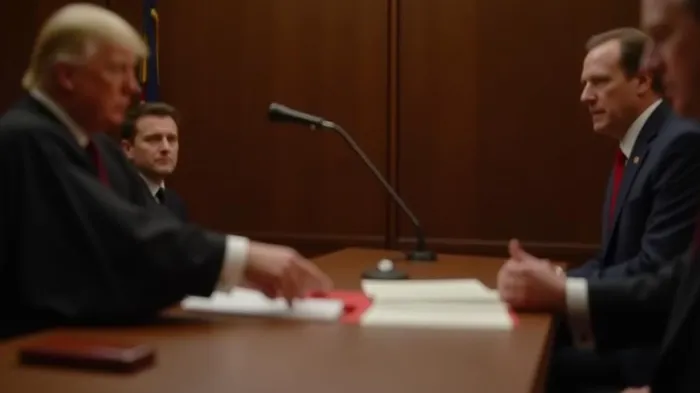
The court's opinion, delivered by a three-judge panel, stated that Trump's tariffs were "contrary to law" and not justified under the IEEPA. This decision underscores the limits of presidential power in imposing tariffs and highlights the importance of adhering to legal frameworks when implementing trade policies.
This decision directly impacts Trump's April 2 tariff policy, which included a 10% baseline duty and “reciprocal” tariffs targeting multiple countries. However, it doesn’t cover previously established sector-specific tariffs, such as those on steel or autos. The ruling follows lawsuits from small businesses and a coalition of 12 US states, which argued that the tariffs harmed public services and disrupted supply chains.
Market reaction was immediate and positive, with US stock futures rising and Asian markets climbing as investors welcomed the legal pushback against escalating trade tensions. Despite criticism from the White House and its intent to appeal, the judgment strengthens opposition from lawmakers and businesses alike, questioning the limits of presidential power in trade matters.
Now facing legal resistance, Trump's administration has already softened some tariffs and is pursuing talks with global trade partners, including a temporary tariff truce with the EU and China. The ruling is expected to have significant implications for U.S. trade relations and the broader economy. By striking down these tariffs, the court has sent a clear message that trade policies must be grounded in legal authority and not merely driven by political motivations.
This decision could also influence future trade negotiations and the use of emergency powers by the executive branch. The court's action comes at a time when the U.S. is navigating complex trade dynamics with various countries. The nullification of these tariffs may prompt a re-evaluation of trade strategies and encourage a more collaborative approach to resolving trade disputes. It also serves as a reminder that the legal system plays a crucial role in checking the powers of the executive branch and ensuring that policies are implemented within the bounds of the law.







Comentarios
Aún no hay comentarios