
Court Blocks Trump Tariffs Sparking 1.2% Gain in Japan's Market
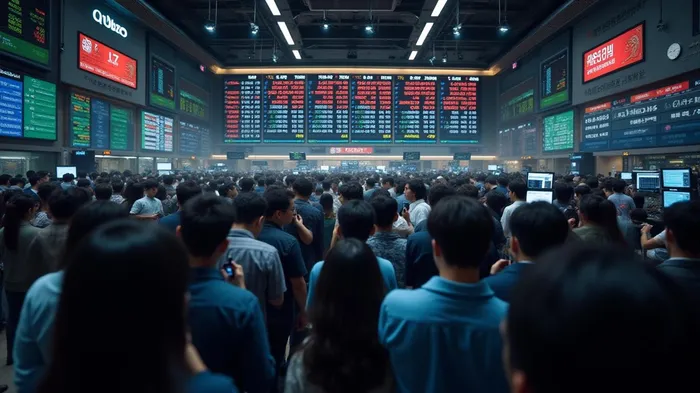
The sudden halt of Trump's tariff policy has sparked a wave of optimism across global markets, leading to a surge in risk assets and a decline in safe-haven assets like gold. The decision by a U.S. federal court to block Trump's tariff policy, which was announced in April, has been met with enthusiasm by investors who had previously adopted a "sell America" strategy. This reversal in sentiment has led to a significant rally in Asian stock markets, with Japan's market leading the way with a 1.2% gain. The U.S. dollar index has also surged to its highest level in over a week, while the 10-year U.S. Treasury yield has risen by 2 basis points.
The court's ruling has been seen as a major victory for those opposed to Trump's protectionist policies, which had been weighing heavily on market sentiment. The tariff policy, which aimed to reshape global trade by imposing high tariffs on countries that export more to the U.S. than they import, had been met with widespread criticism and had led to a significant sell-off in global financial markets. The court's decision to block the policy has been seen as a major relief for investors, who had been concerned about the potential impact of the tariffs on global economic growth.
The rally in risk assets has been broad-based, with both the S&P 500 and Nasdaq 100 futures surging. The rally in Asian markets has been led by Japan, with other markets in the region also posting gains. The U.S. dollar has also benefited from the rally, with the dollar index surging to its highest level in over a week. The rally in risk assets has been accompanied by a decline in safe-haven assets, with gold prices falling.
Investors have been quick to reverse their "sell America" strategy, as the court's decision has removed a significant risk factor from the market. The tariff policy had been a major source of uncertainty for investors, and its halt has provided a much-needed boost to market sentiment. The rally in risk assets is a clear indication of investor optimism, as they look to capitalize on the improved market conditions.
In addition to the tariff news, strong earnings expectations from NVIDIANVDA-- have also contributed to the positive market sentiment. The company's CEO, Jensen Huang, provided a robust sales forecast and highlighted the continued exponential growth in the AI computing market. This news has further boosted investor confidence, particularly in the technology sector.
However, not all companies have seen positive reactions. Hewlett-Packard's stock fell by approximately 8% after it reported lower-than-expected profits and reduced its full-year earnings forecast. Additionally, shares of Cadence Design SystemsCDNS-- and SynopsysSNPS-- experienced significant declines due to restrictions on chip exports imposed by the Trump administration.
The court's decision to block Trump's tariff policy has been seen as a major victory for those opposed to protectionist policies, which had been weighing heavily on market sentiment. The tariff policy, which aimed to reshape global trade by imposing high tariffs on countries that export more to the U.S. than they import, had been met with widespread criticism and had led to a significant sell-off in global financial markets. The court's decision to block the policy has been seen as a major relief for investors, who had been concerned about the potential impact of the tariffs on global economic growth.







Comentarios
Aún no hay comentarios