
Coupang's $1.17B Voucher Payout: A Tactical Rebound or a Sign of Deeper Trouble?
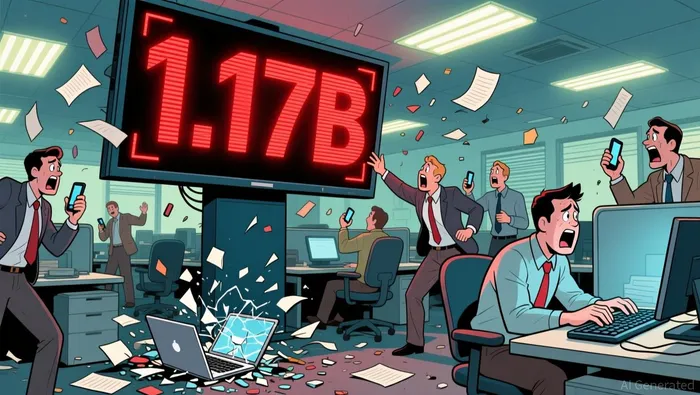
The event is a stark breach of trust. In late 2025, a former employee accessed data from 33.7 million user accounts at South Korea's largest online retailer, CoupangCPNG--. The fallout has been swift and severe, including a former employee's confession, a smashed MacBook Air recovered from a river as an attempted cover-up, and a CEO resignation in mid-December. Now, the company is making an unprecedented financial gesture to contain the damage: a 1.69 trillion won ($1.17 billion) compensation plan in platform-only vouchers for approximately 34 million affected users, including those who left the platform.
This is a high-cost attempt to rebuild trust. The plan, announced by interim CEO Harold Rogers, is framed as a "responsible measure." Yet its effectiveness is immediately questioned. The vouchers are only valid within Coupang's own services, raising concerns that the compensation may simply recirculate funds within the ecosystem rather than provide tangible external value. The core investment question is whether this massive payout addresses the root problem or merely treats the symptoms while deeper regulatory and legal fires burn.
The market's verdict is clear. While the S&P 500 has gained, Coupang's stock has been under severe pressure. The shares have declined 13.2% over the past month, a stark underperformance that underscores the event's impact. This isn't just a PR crisis; it's a direct hit to valuation, with the company's stock price dropping sharply and erasing over $8 billion in market value after disclosure. The immediate setup is one of high cost for a questionable solution, set against a backdrop of ongoing investigations and a lawsuit alleging delayed disclosure.
The Immediate Setup: Price Action and Analyst Reactions
The stock's recent bounce is a tactical signal, not a trend reversal. In the latest session, Coupang shares closed at $22.74, marking a +1.29% gain against a broader market that rose just 0.65%. This outperformance against the S&P 500 is a temporary relief rally, not a fundamental shift. The stock remains deeply underwater, having declined 13.19% in the past month and still far below its sector and index gains. This volatility reflects the market's struggle to price the event: a one-day pop offers no guarantee of sustainability against a backdrop of ongoing regulatory firestorms and legal overhang.
Analyst expectations paint a clear picture of near-term pressure. For the upcoming quarter, the consensus calls for an EPS of $0.03, indicating a 25% year-over-year decline. The full-year forecast is even more challenging, with earnings expected to fall 27.27% year-over-year. This earnings contraction, coupled with a forward P/E ratio of 89.8, highlights the premium valuation that is now under severe strain. The Zacks Rank system, which tracks these estimate revisions, shows the consensus EPS estimate has shifted 56.4% downward over the past month, a stark indicator of deteriorating near-term sentiment.
The most immediate catalyst, however, is legal. Multiple U.S. law firms have launched securities class actions, alleging Coupang misled investors about its cybersecurity controls and delayed disclosing the breach. This is a direct and costly risk that can materialize in the coming quarters. The setup is now a race between the company's ability to manage the fallout from the $1.17 billion voucher plan and the mounting legal and regulatory scrutiny. For now, the stock's technical bounce offers a fleeting window, but the fundamental headwinds-both financial and legal-are intensifying.
The Risk/Reward: What Could Go Right or Wrong Next
The tactical question now is whether the stock's bounce offers a genuine entry point or merely a value trap. The setup is defined by a series of high-stakes catalysts and risks that will determine if the current price is a buying opportunity or a buying hazard.
On the positive side, the company is attempting to address governance concerns head-on. Interim CEO Harold Rogers has pledged to join delivery work himself to better understand operational pressures, a move that directly responds to lawmaker criticism. This hands-on gesture, coupled with his public dismissal of any legal immunity clauses in the voucher plan, is a tactical PR effort to rebuild trust from within. It signals a shift in tone that could help mitigate some of the reputational damage, at least in the short term.
Yet the more immediate and severe risks are regulatory and legal. South Korean regulators and lawmakers have criticized the voucher plan's adequacy and questioned whether it simply recirculates funds internally. This scrutiny is a direct challenge to the company's damage control. More critically, the legal overhang is expanding. Multiple U.S. law firms have launched securities class actions alleging Coupang misled investors about its cybersecurity controls. These lawsuits are not hypothetical; they represent a tangible, costly risk that could materialize in the coming quarters, further pressuring the stock.
This brings us to the valuation paradox. The company's valuation score suggests it screens as undervalued on some metrics, implying a potential margin of safety. But this is a dangerous oversimplification. The score ignores the massive, unresolved liabilities from the breach and the ongoing investigations. A stock can be cheap for a reason, and in Coupang's case, that reason is a severe governance and legal firestorm. The $1.17 billion voucher payout is a symptom of deeper operational failures in access control and oversight, as highlighted by the attempted cover-up with a smashed MacBook Air.
The bottom line is one of high-risk, high-cost containment. The stock's recent bounce offers a tactical window, but the fundamental risks are intensifying. The regulatory criticism of the compensation plan and the expanding legal actions create a clear path for further downside. For now, the valuation score may look attractive, but it screens out the very risks that are driving the stock's decline. This is not a simple value play; it's a bet on whether Coupang can successfully navigate a perfect storm of regulatory fire, legal liability, and eroded trust. The current price offers a speculative entry point only for those willing to bet on a successful, costly cleanup.





Comentarios
Aún no hay comentarios