
Counterfeit Crisis: The Dark Side of Shein and Temu's Success
Generado por agente de IAWesley Park
viernes, 29 de noviembre de 2024, 1:08 am ET1 min de lectura
The rise of fast-fashion retailers Shein and Temu has revolutionized online shopping, offering consumers an endless array of trendy and affordable clothing. However, their meteoric growth has also brought unwanted attention: a flood of counterfeit products, threatening the platforms' reputations and consumer trust. As these retail giants face regulatory scrutiny, the battle against fake goods rages on.
Shein and Temu have become magnets for counterfeiters, thanks to their vast product catalogs and aggressive pricing strategies. With millions of third-party sellers worldwide, the platforms struggle to vet and monitor each vendor, allowing counterfeit items to infiltrate their marketplaces. A Congressional report in 2023 accused Temu of failing to prevent goods made by forced labor from being sold on its platform, further highlighting the risks associated with unregulated third-party sellers.
The platforms' business models and pricing strategies have inadvertently attracted counterfeiters. The exemption of import taxes for shipments under $800, often used by these platforms, facilitates the flow of counterfeit products. Additionally, the sheer volume and speed of shipments make it challenging to enforce regulations effectively.
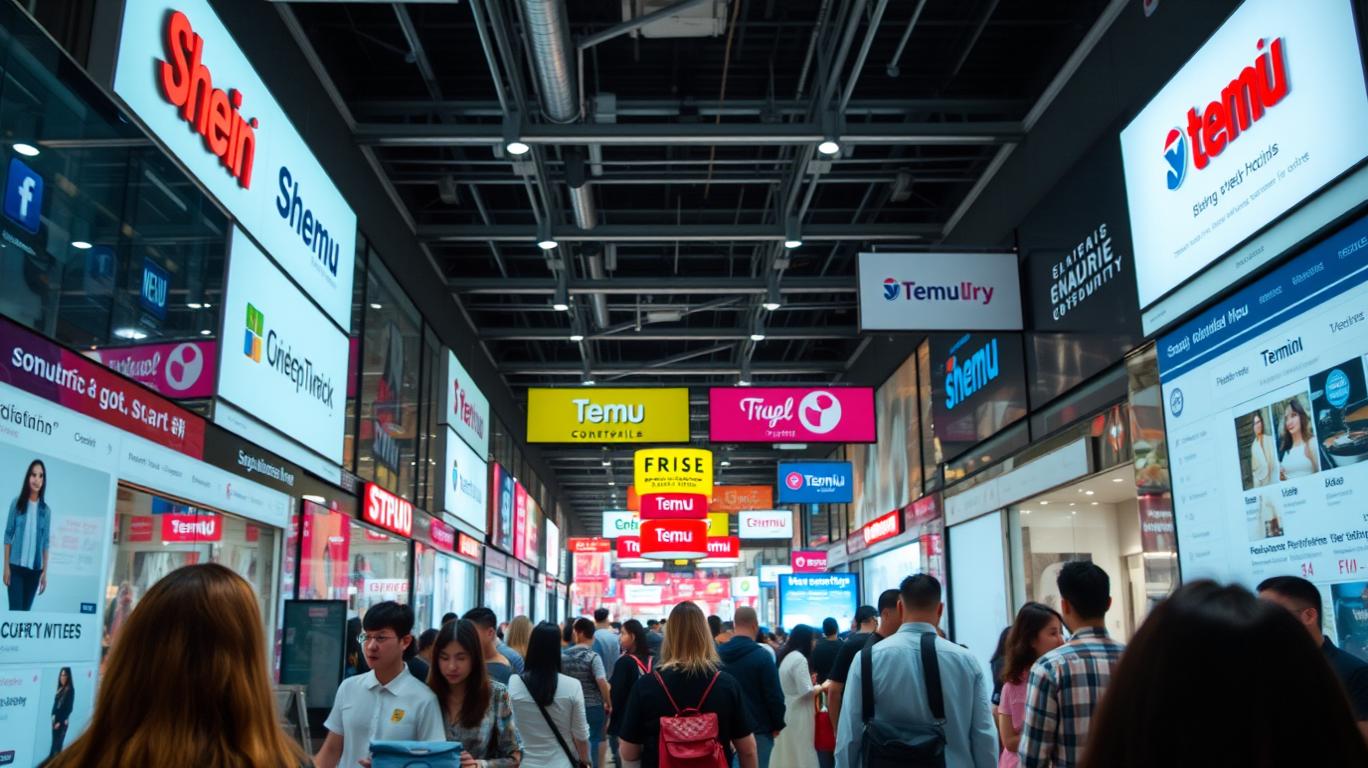
Shein and Temu have implemented measures to combat counterfeits, such as the "verification badge" system, which helps identify trustworthy sellers. However, these systems rely on manual review and may not catch all counterfeit products, especially when sellers misrepresent their identity or product quality. To improve, the platforms should enhance seller verification, increase transparency, and collaborate with rights holders to monitor and remove infringing products.
The fast-paced product updates and low pricing strategies employed by Shein and Temu make it challenging for consumers to distinguish authentic from counterfeit items. Consumers should look for popular sellers with strong review histories and avoid products priced too good to be true.
Regulators and law enforcement agencies must collaborate with Shein and Temu to address the fake products issue. Sharing data and intelligence on counterfeit products, establishing clear communication channels for reporting and addressing infringements, and encouraging transparency in their supply chains are essential steps. Additionally, stricter penalties for counterfeiters and improved coordination among international agencies will help deter the production and sale of fake products.
In conclusion, the counterfeit crisis on Shein and Temu highlights the challenges faced by fast-growing online retailers. These platforms must prioritize robust seller verification, transparency, and collaboration with rights holders to combat the proliferation of fake products. Regulators and law enforcement agencies must also play their part in supporting these efforts. As the battle against counterfeits continues, consumers can play their role by being vigilant and making informed purchasing decisions.
Shein and Temu have become magnets for counterfeiters, thanks to their vast product catalogs and aggressive pricing strategies. With millions of third-party sellers worldwide, the platforms struggle to vet and monitor each vendor, allowing counterfeit items to infiltrate their marketplaces. A Congressional report in 2023 accused Temu of failing to prevent goods made by forced labor from being sold on its platform, further highlighting the risks associated with unregulated third-party sellers.
The platforms' business models and pricing strategies have inadvertently attracted counterfeiters. The exemption of import taxes for shipments under $800, often used by these platforms, facilitates the flow of counterfeit products. Additionally, the sheer volume and speed of shipments make it challenging to enforce regulations effectively.
Shein and Temu have implemented measures to combat counterfeits, such as the "verification badge" system, which helps identify trustworthy sellers. However, these systems rely on manual review and may not catch all counterfeit products, especially when sellers misrepresent their identity or product quality. To improve, the platforms should enhance seller verification, increase transparency, and collaborate with rights holders to monitor and remove infringing products.
The fast-paced product updates and low pricing strategies employed by Shein and Temu make it challenging for consumers to distinguish authentic from counterfeit items. Consumers should look for popular sellers with strong review histories and avoid products priced too good to be true.
Regulators and law enforcement agencies must collaborate with Shein and Temu to address the fake products issue. Sharing data and intelligence on counterfeit products, establishing clear communication channels for reporting and addressing infringements, and encouraging transparency in their supply chains are essential steps. Additionally, stricter penalties for counterfeiters and improved coordination among international agencies will help deter the production and sale of fake products.
In conclusion, the counterfeit crisis on Shein and Temu highlights the challenges faced by fast-growing online retailers. These platforms must prioritize robust seller verification, transparency, and collaboration with rights holders to combat the proliferation of fake products. Regulators and law enforcement agencies must also play their part in supporting these efforts. As the battle against counterfeits continues, consumers can play their role by being vigilant and making informed purchasing decisions.



Divulgación editorial y transparencia de la IA: Ainvest News utiliza tecnología avanzada de Modelos de Lenguaje Largo (LLM) para sintetizar y analizar datos de mercado en tiempo real. Para garantizar los más altos estándares de integridad, cada artículo se somete a un riguroso proceso de verificación con participación humana.
Mientras la IA asiste en el procesamiento de datos y la redacción inicial, un miembro editorial profesional de Ainvest revisa, verifica y aprueba de forma independiente todo el contenido para garantizar su precisión y cumplimiento con los estándares editoriales de Ainvest Fintech Inc. Esta supervisión humana está diseñada para mitigar las alucinaciones de la IA y garantizar el contexto financiero.
Advertencia sobre inversiones: Este contenido se proporciona únicamente con fines informativos y no constituye asesoramiento profesional de inversión, legal o financiero. Los mercados conllevan riesgos inherentes. Se recomienda a los usuarios que realicen una investigación independiente o consulten a un asesor financiero certificado antes de tomar cualquier decisión. Ainvest Fintech Inc. se exime de toda responsabilidad por las acciones tomadas con base en esta información. ¿Encontró un error? Reportar un problema


SOBRE NOSOTROS
Nuestra historiaAutores de noticiasBase de conocimientosPolítica de privacidadTérmino de usoDescargo de responsabilidad de corretaje de tercerosTérminos de uso de AIMEDivulgaciones de riesgos de AInvest AICarrerasCONTÁCTENOS
Email: support@ainvest.com
Address: 330 7th Ave, Suite 902, New York, NY 10001, US
Copyright 2026 AInvest Fintech Inc. All rights reserved.


Comentarios
Aún no hay comentarios