
Costco's Soaring PE Ratio: A Déjà Vu or a New Reality?
Generado por agente de IAEli Grant
sábado, 23 de noviembre de 2024, 6:32 pm ET1 min de lectura
COST--
Costco Wholesale Corporation (COST) has hit a remarkable milestone, with its price-to-earnings (PE) ratio surpassing 50 for only the second time in its history. This unprecedented valuation begs the question: what happened the last time Costco traded at such lofty levels, and can investors expect a repeat performance? Let's delve into the past to shed light on the present and future of Costco's stock.
In 2001, Costco's PE ratio reached an all-time high of 56.33, nearly matching today's 52.74. This period coincided with a significant increase in revenue growth, from 9.02% in 2000 to 17.25% in 2001. Costco's expansion into new markets and membership fee increases drove this impressive growth. However, the dot-com bubble's burst later that year served as a stark reminder that even defensive stocks can be vulnerable to broader market sentiment.
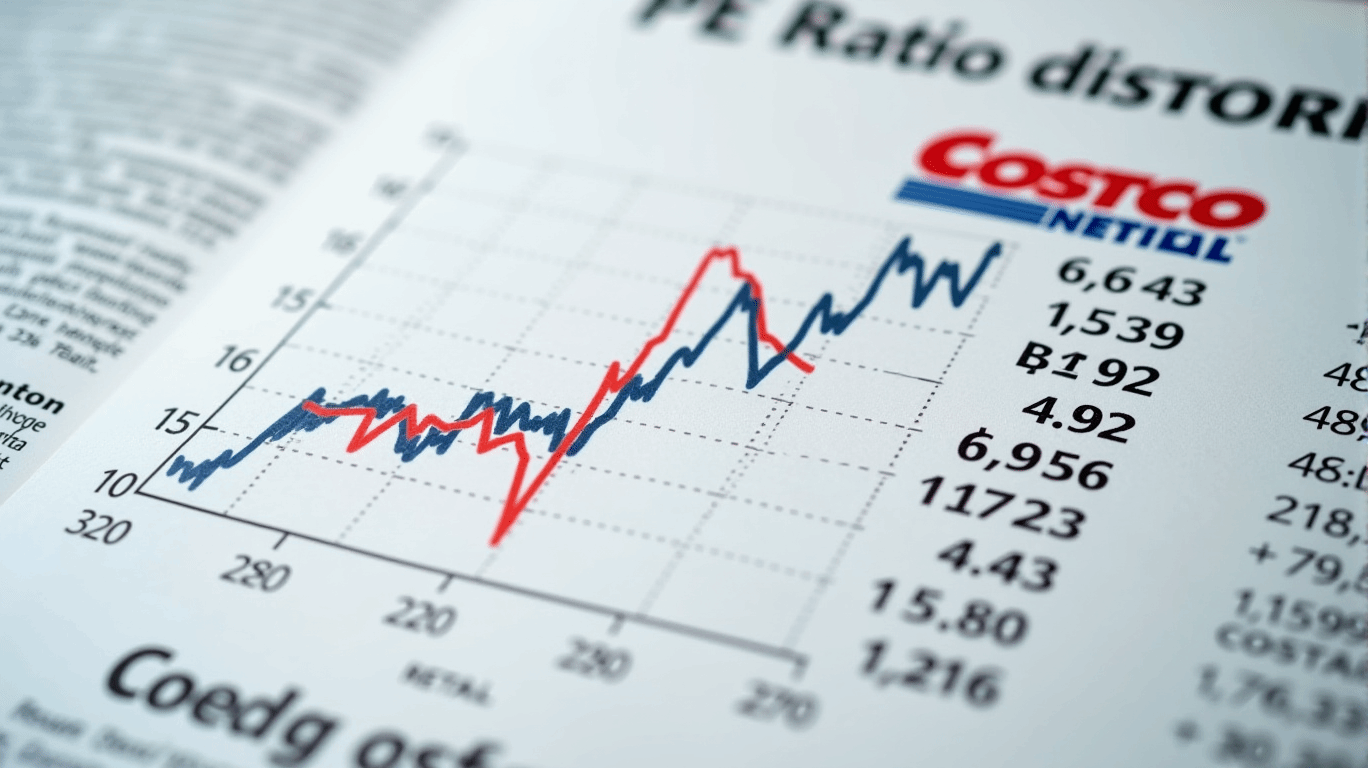
Fast-forward to 2024, and we find Costco's PE ratio nearing its 2001 peak. This time, the company's strong earnings growth, driven by expanding e-commerce presence and membership fee increases, is fueling investor optimism. Despite the high valuation, Costco's fundamentals remain robust, with a solid balance sheet and consistent dividend payouts.
Comparing the broader market trends during these two periods, we find that the S&P 500's PE ratio averaged around 30 in 1999-2001 and hovers around 20 in 2020-2024. This discrepancy suggests that Costco may be overvalued relative to the broader market. However, Costco's 5-year EPS growth rate of 25% (versus the S&P 500's 17%) indicates that the company's fundamentals support its premium valuation.
Expert opinions vary on the sustainability of Costco's elevated PE ratio. Some analysts argue that the company's strong brand, membership model, and e-commerce expansion justify the high valuation, while others caution that a potential economic downturn or increased competition could pressure the stock price.
In conclusion, while history shows that Costco can sustain a high PE ratio during periods of strong earnings growth, investors should remain vigilant to potential risks. As the broader market and economic conditions differ from the past, it is crucial to monitor Costco's fundamentals and market sentiment to ensure the stock's valuation remains justified.
In 2001, Costco's PE ratio reached an all-time high of 56.33, nearly matching today's 52.74. This period coincided with a significant increase in revenue growth, from 9.02% in 2000 to 17.25% in 2001. Costco's expansion into new markets and membership fee increases drove this impressive growth. However, the dot-com bubble's burst later that year served as a stark reminder that even defensive stocks can be vulnerable to broader market sentiment.
Fast-forward to 2024, and we find Costco's PE ratio nearing its 2001 peak. This time, the company's strong earnings growth, driven by expanding e-commerce presence and membership fee increases, is fueling investor optimism. Despite the high valuation, Costco's fundamentals remain robust, with a solid balance sheet and consistent dividend payouts.
Comparing the broader market trends during these two periods, we find that the S&P 500's PE ratio averaged around 30 in 1999-2001 and hovers around 20 in 2020-2024. This discrepancy suggests that Costco may be overvalued relative to the broader market. However, Costco's 5-year EPS growth rate of 25% (versus the S&P 500's 17%) indicates that the company's fundamentals support its premium valuation.
Expert opinions vary on the sustainability of Costco's elevated PE ratio. Some analysts argue that the company's strong brand, membership model, and e-commerce expansion justify the high valuation, while others caution that a potential economic downturn or increased competition could pressure the stock price.
In conclusion, while history shows that Costco can sustain a high PE ratio during periods of strong earnings growth, investors should remain vigilant to potential risks. As the broader market and economic conditions differ from the past, it is crucial to monitor Costco's fundamentals and market sentiment to ensure the stock's valuation remains justified.

Divulgación editorial y transparencia de la IA: Ainvest News utiliza tecnología avanzada de Modelos de Lenguaje Largo (LLM) para sintetizar y analizar datos de mercado en tiempo real. Para garantizar los más altos estándares de integridad, cada artículo se somete a un riguroso proceso de verificación con participación humana.
Mientras la IA asiste en el procesamiento de datos y la redacción inicial, un miembro editorial profesional de Ainvest revisa, verifica y aprueba de forma independiente todo el contenido para garantizar su precisión y cumplimiento con los estándares editoriales de Ainvest Fintech Inc. Esta supervisión humana está diseñada para mitigar las alucinaciones de la IA y garantizar el contexto financiero.
Advertencia sobre inversiones: Este contenido se proporciona únicamente con fines informativos y no constituye asesoramiento profesional de inversión, legal o financiero. Los mercados conllevan riesgos inherentes. Se recomienda a los usuarios que realicen una investigación independiente o consulten a un asesor financiero certificado antes de tomar cualquier decisión. Ainvest Fintech Inc. se exime de toda responsabilidad por las acciones tomadas con base en esta información. ¿Encontró un error? Reportar un problema


SOBRE NOSOTROS
Nuestra historiaAutores de noticiasBase de conocimientosPolítica de privacidadTérmino de usoDescargo de responsabilidad de corretaje de tercerosTérminos de uso de AIMEDivulgaciones de riesgos de AInvest AICarrerasCONTÁCTENOS
Email: support@ainvest.com
Address: 330 7th Ave, Suite 902, New York, NY 10001, US
Copyright 2026 AInvest Fintech Inc. All rights reserved.


Comentarios
Aún no hay comentarios