
Correcting Credit Report Errors: A Step-by-Step Guide
PorAinvest
lunes, 7 de julio de 2025, 6:16 am ET1 min de lectura
RS--
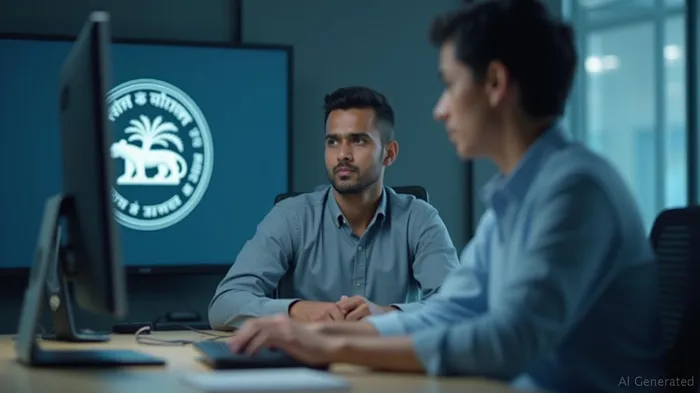
The RBI deputy governor, M Rajeshwar Rao, highlighted the importance of a secure, unique borrower identifier during his keynote address at the 25th anniversary of TransUnion Cibil. He emphasized that credit information companies rely on accurate and validated IDs to avoid duplication and misreporting. Without this, the risk of errors and disputes remains high [1].
The introduction of a unique borrower identifier is part of a broader effort by the RBI to streamline the credit information ecosystem. This includes the development of a unified lending interface (ULI), which would allow lenders to access verified borrower data, similar to how the Unified Payments Interface (UPI) facilitates money transfers between banks [1].
Additionally, the RBI is exploring the use of programmable digital rupees (CBDC) for targeted lending programs. A pilot project is being tested for tenant farmers under the Kisan Credit Card scheme, which could potentially extend collateral-free loans to small businesses, street vendors, and artisans [1].
Until the unique borrower identifier is implemented, borrowers must take proactive steps to address errors in their credit reports. Common issues include incorrect names and addresses, phantom loans, mismatched account numbers, and outdated loan statuses. Borrowers can dispute errors on the credit bureau site and alert lenders with supporting documents. The RBI has also taken several policy measures to enhance data quality and customer satisfaction, such as free access to full credit reports and appointment of internal ombudsmen [1].
The State Bank of India (SBI) has recently reported the loan account of Reliance Communications Ltd. (RCOM) as fraud due to deviations in loan utilization. This case underscores the importance of accurate and transparent credit reporting [2].
In conclusion, the RBI's proposal for a unique borrower identifier is a significant step towards improving the accuracy and reliability of credit bureau records. This initiative aims to empower borrowers and enhance the overall efficiency of the financial sector.
References:
[1] https://timesofindia.indiatimes.com/business/india-business/rbi-seeks-borrower-id-to-reduce-credit-score-errors/articleshow/122214136.cms
[2] https://www.thehindubusinessline.com/info-tech/reliance-communications-says-sbi-to-report-its-loan-accounts-as-fraud/article69762681.ece
TRU--
The RBI has proposed a unique borrower identifier to reduce duplication and misreporting in credit bureau records. Until this is implemented, borrowers must handle errors in their credit reports themselves. Common errors include incorrect names and addresses, phantom loans, mismatched account numbers, and outdated loan status. Borrowers can dispute errors on the bureau site and alert lenders with supporting documents.
The Reserve Bank of India (RBI) has proposed a unique borrower identifier to address issues of data duplication and misreporting within credit bureaus. This initiative aims to improve loan accessibility and reduce errors in credit reports, which can negatively impact borrowers' creditworthiness [1].The RBI deputy governor, M Rajeshwar Rao, highlighted the importance of a secure, unique borrower identifier during his keynote address at the 25th anniversary of TransUnion Cibil. He emphasized that credit information companies rely on accurate and validated IDs to avoid duplication and misreporting. Without this, the risk of errors and disputes remains high [1].
The introduction of a unique borrower identifier is part of a broader effort by the RBI to streamline the credit information ecosystem. This includes the development of a unified lending interface (ULI), which would allow lenders to access verified borrower data, similar to how the Unified Payments Interface (UPI) facilitates money transfers between banks [1].
Additionally, the RBI is exploring the use of programmable digital rupees (CBDC) for targeted lending programs. A pilot project is being tested for tenant farmers under the Kisan Credit Card scheme, which could potentially extend collateral-free loans to small businesses, street vendors, and artisans [1].
Until the unique borrower identifier is implemented, borrowers must take proactive steps to address errors in their credit reports. Common issues include incorrect names and addresses, phantom loans, mismatched account numbers, and outdated loan statuses. Borrowers can dispute errors on the credit bureau site and alert lenders with supporting documents. The RBI has also taken several policy measures to enhance data quality and customer satisfaction, such as free access to full credit reports and appointment of internal ombudsmen [1].
The State Bank of India (SBI) has recently reported the loan account of Reliance Communications Ltd. (RCOM) as fraud due to deviations in loan utilization. This case underscores the importance of accurate and transparent credit reporting [2].
In conclusion, the RBI's proposal for a unique borrower identifier is a significant step towards improving the accuracy and reliability of credit bureau records. This initiative aims to empower borrowers and enhance the overall efficiency of the financial sector.
References:
[1] https://timesofindia.indiatimes.com/business/india-business/rbi-seeks-borrower-id-to-reduce-credit-score-errors/articleshow/122214136.cms
[2] https://www.thehindubusinessline.com/info-tech/reliance-communications-says-sbi-to-report-its-loan-accounts-as-fraud/article69762681.ece
Divulgación editorial y transparencia de la IA: Ainvest News utiliza tecnología avanzada de Modelos de Lenguaje Largo (LLM) para sintetizar y analizar datos de mercado en tiempo real. Para garantizar los más altos estándares de integridad, cada artículo se somete a un riguroso proceso de verificación con participación humana.
Mientras la IA asiste en el procesamiento de datos y la redacción inicial, un miembro editorial profesional de Ainvest revisa, verifica y aprueba de forma independiente todo el contenido para garantizar su precisión y cumplimiento con los estándares editoriales de Ainvest Fintech Inc. Esta supervisión humana está diseñada para mitigar las alucinaciones de la IA y garantizar el contexto financiero.
Advertencia sobre inversiones: Este contenido se proporciona únicamente con fines informativos y no constituye asesoramiento profesional de inversión, legal o financiero. Los mercados conllevan riesgos inherentes. Se recomienda a los usuarios que realicen una investigación independiente o consulten a un asesor financiero certificado antes de tomar cualquier decisión. Ainvest Fintech Inc. se exime de toda responsabilidad por las acciones tomadas con base en esta información. ¿Encontró un error? Reportar un problema




Comentarios
Aún no hay comentarios