
V.F. Corporation's Securities Fraud Lawsuit: Investor Strategy and Stock Valuation Implications
The recent securities class action lawsuit against V.F. Corporation (VFC) has reignited critical discussions about investor strategy and the long-term implications of corporate misconduct on stock valuations. As the case unfolds, investors must weigh historical precedents, regulatory trends, and the specific dynamics of VFC's alleged misrepresentations to navigate this complex landscape.
The VFCVFC-- Lawsuit: A Case of Misrepresentation and Market Shock
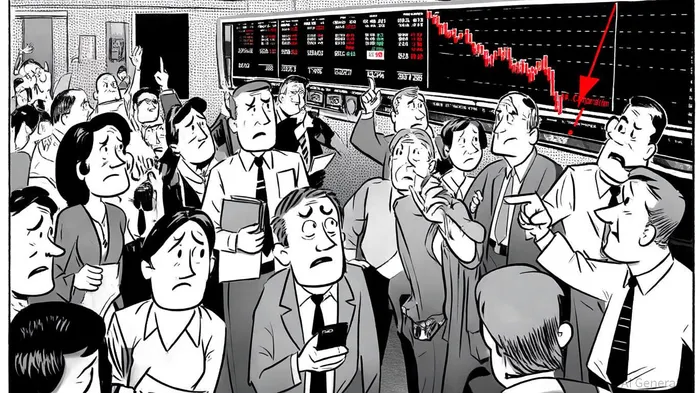
The lawsuit, filed on behalf of investors who purchased VFC securities between October 2023 and May 2025, alleges that the company concealed material adverse facts about its turnaround strategy for the Vans brand. Specifically, VFC is accused of failing to disclose the need for "additional significant reset actions" to restore growth, leading to a dramatic revenue decline. When the truth emerged on May 21, 2025-marked by a 20% loss in Vans' fourth-quarter revenue-VFC's stock price plummeted 15.8% in a single day, from $14.43 to $12.15 per share, according to a Business Wire notice. This sharp drop mirrors historical patterns where securities fraud revelations trigger immediate investor panic and asset devaluation.
Historical Precedents: Fraud, Stock Valuation, and Investor Trust
Securities fraud has consistently proven catastrophic for stock valuations. The Enron scandal (2001), for instance, saw the company's stock collapse from $90 to less than $1 within months after fraudulent accounting practices were exposed, as detailed in Serafini Law Office case studies. Similarly, Lehman Brothers' 2008 bankruptcy, fueled by opaque mortgage-backed securities, triggered a sector-wide financial crisis and a 90% decline in its stock price, as noted in a LawBizTalk analysis. These cases underscore a recurring theme: when trust is breached, market confidence erodes rapidly, and stock prices often reflect notNOT-- just financial losses but reputational damage.
Academic research further quantifies this impact. A 2025 study found that firms facing securities class-action lawsuits experience an average cumulative abnormal return (CAAR) of -12.3% in the 20-day window around litigation announcements, with even steeper declines following settlements, according to a Harvard Law Forum analysis. For VFC, the 15.8% single-day drop aligns with these historical trends, suggesting that the market has already priced in significant downside risk.
Investor Strategy: Navigating Post-Fraud Realities
The fallout from securities fraud has forced investors to adopt more cautious strategies. Key lessons from past cases include:
- Due Diligence and Transparency: Post-Enron, the Sarbanes-Oxley Act (2002) mandated stricter financial disclosures, compelling investors to prioritize companies with robust internal controls, according to a LawBizTalk review. For VFC, this means scrutinizing its revised turnaround plans and governance structure to assess long-term viability.
- Diversification and Risk Mitigation: Historical cases like the Bernie Madoff Ponzi scheme highlight the dangers of overconcentration. Investors are increasingly diversifying portfolios across sectors and asset classes, including ETFs and green bonds, to hedge against fraud-related volatility, as discussed in a BHSecLaw article.
- Regulatory Vigilance: The SEC's 2025 enforcement actions-such as the $56 million average settlement for securities fraud-signal heightened regulatory scrutiny, according to an EdgarIndex report. Investors must stay informed about compliance trends and adjust strategies to align with evolving legal standards.
For VFC shareholders, these strategies are particularly relevant. With the lead plaintiff deadline set for November 12, 2025, investors must decide whether to pursue litigation or exit positions. Litigation could yield compensation but carries the risk of prolonged uncertainty, while selling may lock in losses but offers clarity.
The Road Ahead: VFC's Legal and Market Challenges
VFC's case also highlights the broader impact of brand-specific underperformance on corporate valuation. Unlike Enron or Lehman, where systemic fraud permeated entire business models, VFC's alleged misrepresentations are tied to the Vans brand's turnaround. This nuance could influence litigation outcomes and investor sentiment. If the company successfully restructures Vans, it may recover some market value; however, repeated governance failures could perpetuate skepticism.
Conclusion: Balancing Legal Action and Market Realities
The VFC securities fraud lawsuit serves as a cautionary tale for investors and corporations alike. While historical precedents suggest that litigation can lead to substantial stock devaluation, the long-term recovery of affected firms often hinges on transparency, regulatory compliance, and strategic restructuring. For investors, the key lies in balancing legal recourse with prudent portfolio management, ensuring that short-term volatility does not overshadow long-term value creation.





Comentarios
Aún no hay comentarios