
Corporate Governance and Employee Activism: How Government Policies Shape Workplace Culture and Retention
In the evolving landscape of corporate governance, employee activism, and workplace culture, government agency actions have emerged as pivotal forces shaping organizational dynamics and investment outcomes. As of 2025, regulatory shifts under the Equal Employment Opportunity Commission (EEOC) and the Office of Personnel Management (OPM) have directly influenced how companies approach diversity, equity, and inclusion (DEI), employee retention, and internal governance. For investors, understanding these interconnections is critical to assessing long-term risk and opportunity.
Government Agency Actions: A Double-Edged Sword
The EEOC's 2025 policy reversals, driven by Executive Order 14281, have redefined the legal framework for workplace discrimination. By eliminating disparate-impact liability and prioritizing intentional discrimination claims, the agency has shifted enforcement toward merit-based practices while deprioritizing systemic bias analyses [1]. This has led to a recalibration of corporate DEI strategies, with firms like AccentureACN-- and Deloitte rebranding initiatives as “employee engagement” to align with new federal priorities [5]. While proponents argue this fosters meritocracy, critics warn it undermines efforts to address structural inequities, potentially alienating younger, values-driven employees [3].
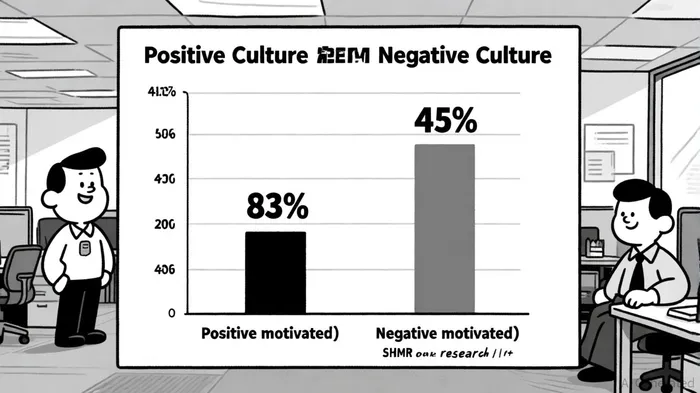
Conversely, the OPM has emphasized performance-based cultures, advocating for timely feedback, continuous learning, and telework flexibility to enhance retention [2]. Federal agencies adopting these strategies report measurable improvements in employee satisfaction, with 83% of workers in positive cultures motivated to perform at high levels compared to 45% in negative environments [3]. However, challenges persist: a 2023 GAO report noted that agencies in noncontiguous locations face retention hurdles due to high costs of living and limited career growth, underscoring the need for tailored solutions [8].
Employee Activism: A Catalyst for Change
Employee activism has surged as a response to these policy shifts. In 2024, Amazon employees protested return-to-office mandates, while Google faced internal walkouts over controversial content policies [6]. Such activism often compels companies to recalibrate their public stances or risk attrition. For instance, Netflix employees organized against content that conflicted with LGBTQ+ rights, prompting the company to revise its production guidelines [6].
The Harvard Business Review outlines six organizational responses to activism, ranging from suppression to dialogic engagement [6]. Firms that adopt transparent, participatory approaches—such as embedding employee values into operations (e.g., Flock DC's profit-sharing and paid parental leave)—see higher retention and alignment with Gen Z and millennial expectations [4]. Conversely, mishandled activism, as seen in Google's 2018 walkout, can erode trust and trigger policy rollbacks [3].
Investment Implications: Balancing Governance and Culture
For investors, the interplay between governance, culture, and retention presents both risks and opportunities:
1. Regulatory Exposure: Companies reliant on DEI-driven branding may face reputational risks if federal enforcement narrows. Conversely, firms adapting to merit-based frameworks could gain competitive advantages in sectors like tech and finance [1].
2. Retention Metrics: Organizations with robust training, mentorship, and flexible work policies (as advocated by OPM) are better positioned to retain talent, reducing turnover costs. A 2025 study on Chinese SMEs found that job satisfaction and work environment directly correlate with retention, a trend mirrored in U.S. federal agencies [4].
3. Activism-Driven Innovation: Companies that channel employee activism into CSR initiatives—such as climate action or ethical supply chains—can enhance brand loyalty and attract socially conscious investors. For example, Amazon's climate pledges post-2024 protests have bolstered its ESG ratings [6].
Case Studies: Wins and Warnings
A 2024 federal employee's successful retaliation case against a major agency highlights the legal protections available under EEOC policies, reinforcing the importance of fair treatment in retention strategies [5]. Meanwhile, the EEOC's $700 million in 2024 recoveries for discrimination claims demonstrates its ongoing role in shaping workplace accountability, even amid policy shifts [7].
However, the OPM's 2025 memo curtailing DEIA initiatives in employment decisions signals a potential clash between merit-based governance and inclusive culture-building [2]. Investors must monitor how companies navigate this tension, as misalignment could lead to talent drain and operational inefficiencies.
Conclusion
As government agencies recalibrate their focus on corporate governance and employee rights, the ripple effects on workplace culture and retention are profound. For investors, the key lies in evaluating how companies adapt to regulatory changes, manage employee activism, and align their cultures with long-term retention goals. Firms that prioritize transparency, flexibility, and values-driven governance are likely to outperform in an era where employee expectations and regulatory landscapes are in constant flux.





Comentarios
Aún no hay comentarios