
Corn as Currency: How Japan's Trade Talks Could Shift Global Markets
The world’s trade corridors are shifting, and this time, the humble corn kernel is at the center of a geopolitical chess match. Japan’s reported plan to boost U.S. corn imports in exchange for tariff relief isn’t just about agriculture—it’s a high-stakes gambit with ripple effects across commodities, automakers, and global supply chains. Let’s break it down.
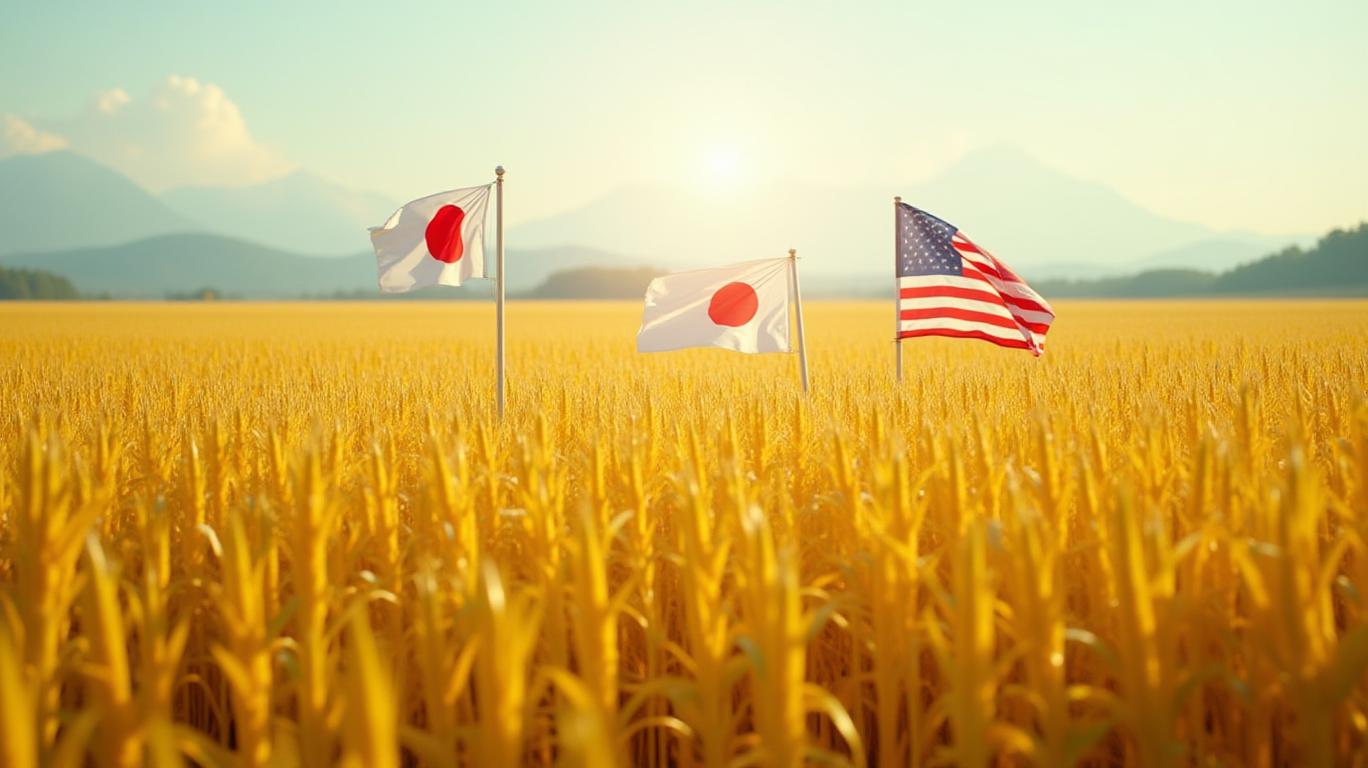
The Trade Deal: Corn as Collateral
Japan is dangling a golden carrot: a significant increase in U.S. corn imports, currently its top agricultural supplier at 80% of its market. This move aims to offset the 99% drop in U.S. corn exports to China since trade tensions erupted, which cost U.S. farmers $2.8 billion in lost revenue last year. In return, Japan seeks exemptions from punishing U.S. tariffs on its cars, steel, and aluminum—a $24 billion annual threat suspended until July 9.
The math is clear: Japan’s automakers, like Toyota (TM) and Honda (HMC), want relief from a 25% auto tariff that’s already crimped their U.S. sales. Meanwhile, U.S. farmers need Japan’s market to absorb surplus corn, lest it flood into cheaper alternatives like Brazilian imports.
ADM, a corn-processing giant, has seen shares climb 18% since January 2025 on trade deal optimism. If Japan’s plan pans out, this could be just the start.
Winners and Losers in the Corn Pipeline
Agribusiness Stocks:
- ADM (ADM): Processes 25% of U.S. corn into ethanol and livestock feed. A Japan deal would stabilize demand.
- Bunge Limited (BG): A major grain exporter, its stock has risen 12% on similar trade hopes.
- Deere & Co (DE): Farm equipment sales could surge if U.S. farmers ramp up corn plantings.
Auto Stocks at Risk:
- Toyota (TM): A 25% tariff on its cars has already cut U.S. sales by 14% in 2024. A deal could reverse that.
- Honda (HMC): Its U.S. factories are on edge; shares fell 9% in March 2025 amid tariff fears.
The Catch: Brazil’s Shadow and July’s Deadline
The deal isn’t a slam dunk. Brazil, Japan’s second-largest corn supplier, could undercut U.S. prices if the talks stall. And Japan’s farmers, though they can’t grow corn, might resist opening the door to U.S. rice and beef—a non-starter for domestic lobbies.
Then there’s the ticking clock: July 9, 2025, when the 24% reciprocal tariff on all Japanese goods resumes unless a deal is done. U.S. Treasury Secretary Scott Bessent and Japan’s negotiator Ryosei Akazawa have until then to close gaps—no small feat given President Trump’s “America First” rhetoric.
Investment Takeaway: Play the Corn, Hedge the Risk
This is a binary bet. If Japan and the U.S. strike a deal by July:
- Buy ADM, DE, and BG. Corn prices could rally 15-20%, boosting these stocks.
- Short Brazil’s agribusiness stocks like Copersucar if U.S. corn dominates Japan.
If talks fail:
- Short TM and HMC, as tariffs crush profits.
- Hedge with soybeans, which might see a rebound if China’s corn tariffs force U.S. buyers to pivot.
Japan’s auto shipments to the U.S. have already dropped 16.6% in March 2025—proof of how tariffs bite.
Final Verdict: A Corny Opportunity, But Don’t Get Burned
The Japan-U.S. corn deal isn’t just about trade—it’s a litmus test for global supply chains. Investors should lean into agribusiness plays like ADM now, but keep a tight stop-loss: If July’s deadline passes without a deal, brace for volatility. This is the kind of trade where you “buy the rumor, sell the news”—unless corn really becomes the golden ticket to tariff peace.
Final Tip: Keep one eye on Brazil’s corn harvest data and the other on July’s tariff clock. This game isn’t over yet.
Disclosure: Always do your own research. Market conditions can change rapidly.







Comentarios
Aún no hay comentarios