
Copper Prices Soar Amid Supply Fears; US-Venezuela Energy Shifts Create Market Uncertainty
Copper prices surged to a record above $13,000 per ton following a strike at a Chilean mine. This event has intensified concerns about a potential deficit in supply. Analysts at UBS estimate a 300,000-400,000 ton deficit in 2026, which may rise to 500,000 tons by 2027.
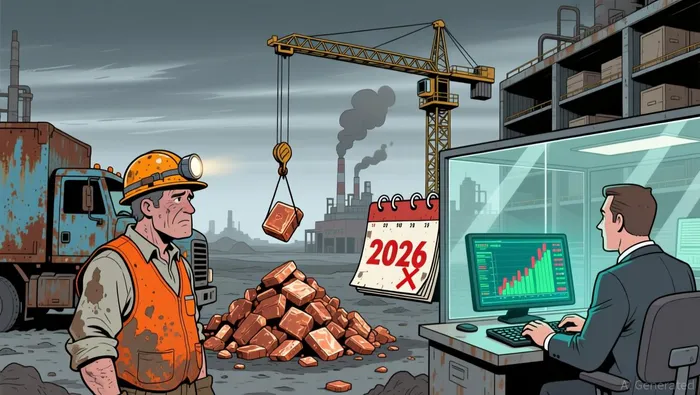 Meanwhile, the US military operation in Venezuela has triggered a significant shift in global energy dynamics. The capture of President Nicolas Maduro has raised questions about the future of Venezuela's vast oil reserves and the potential for increased production.
LME copper stocks have dropped 55% since late August, partly due to increased demand in the United States. This decline supports the view that copper supply is tightening.
The US intervention in Venezuela could see the country's oil production rise significantly, potentially adding 500,000 to 1 million barrels per day within two years. This would challenge OPEC+ and increase global oil supply.
Investors are closely watching the potential for increased Venezuelan oil exports to impact global oil prices. The US has stated it will oversee the transition period in Venezuela, with a focus on reviving the country's oil infrastructure.
Gold prices have risen amid the geopolitical uncertainty surrounding Venezuela. The market is reacting to the potential for short-term volatility and a longer-term shift in global energy supply chains.
Aluminium and other base metals also experienced price increases due to concerns about potential shortages. China's output cap and logistical issues in global markets are influencing these trends.
Why Did This Happen?
The strike at the Chilean mine has disrupted supply and reinforced expectations of a copper deficit. This, combined with reduced LME stocks, has pushed prices higher.
The US operation in Venezuela has fundamentally altered the global energy landscape. The capture of Maduro and the prospect of increased oil production could challenge OPEC+ and reshape global oil markets.
The geopolitical risk introduced by the US intervention has also affected other commodities. Gold, in particular, has seen a significant rise as investors seek safe-haven assets.
How Did Markets React?
The Indian stock market remained largely stable in the immediate aftermath of the US-Venezuela conflict. However, analysts suggest short-term turbulence is likely before long-term benefits emerge.
Oil prices initially rose due to OPEC+ restrictions on supply increases, but have since fallen amid concerns about global demand and weak refining activity.
Gold and silver prices climbed in response to the geopolitical tensions. Safe-haven assets are often preferred during periods of uncertainty, as seen in the current market environment.
What Are Analysts Watching Next?
Analysts are closely monitoring the potential for increased oil production in Venezuela. This could significantly impact global oil prices and supply chains in the medium to long term.
The US tariff hikes on Indian products are also under review. A parliamentary committee is assessing the impact on key industries and exploring measures to mitigate adverse effects.
Investors are watching how OPEC+ responds to the increased supply from Venezuela. The group has paused planned supply increases for Q1 2026 but may need to adjust as market conditions evolve.
The long-term outlook for oil prices remains bearish, with analysts forecasting a surplus and lower prices due to increased global supply and the transition to electric vehicles.







Comentarios
Aún no hay comentarios