
COP29: A New Dawn for Climate Finance and Carbon Markets
Generado por agente de IAEli Grant
viernes, 6 de diciembre de 2024, 9:50 am ET2 min de lectura
GWAV--
The UN Climate Change Conference (COP29) held in Baku, Azerbaijan, left the world with a clearer vision of the climate finance landscape and the operationalization of carbon markets. These developments, although not perfect, signal a significant step forward in addressing climate change and driving investment in emerging markets, green technologies, and adaptation initiatives.
The summit agreed on a new global climate finance target of at least $300 billion annually by 2035, a tripled amount from the previous commitment. This figure, which includes public finance and leveraged private finance, represents a substantial boost for developing countries to transition to a low-carbon and climate-resilient path. However, it falls short of the $1.3 trillion goal needed to meet the total financial needs of vulnerable nations.
The $300 billion target, along with the $1.3 trillion enabled by all actors, is set to influence investment decisions in emerging markets. The increased funding encourages investors to explore opportunities in clean energy projects and climate resilience initiatives. The enhanced focus on finance quality and access, coupled with simplified application processes, further incentivizes investments in these markets.
COP29's progress in Article 6 and carbon markets will significantly impact the investment landscape for carbon offset projects and green initiatives. With clearer guidelines for international trade of mitigation outcomes and a centralized carbon crediting mechanism, investors can now better assess risks and opportunities. The mandatory safeguards for environmental integrity and human rights will enhance the credibility of carbon credits, increasing their value and driving greater investment in these sectors.
The summit's Business, Investment and Philanthropy Climate Platform highlighted the importance of finance as an enabler of the transition. This event united leaders from the business, finance, and philanthropic communities to drive joint action towards achieving the goals of the Paris Agreement. The platform builds on the success of the COP28 Business and Philanthropy Forum, with a stronger focus on finance.
The new climate finance targets at COP29 have influenced policy trends related to carbon pricing and green investment. Over 60 countries now have carbon pricing systems, with many adopting COP29-driven recommendations for fairness, transparency, and revenue recycling. Additionally, the summit's emphasis on mobilizing private sector investment has spurred green bond issuance and sustainable finance initiatives, such as the EU's sustainable finance taxonomy.
However, investors should be aware of potential regulatory and policy risks in light of COP29's outcomes. These include carbon market volatility, policy uncertainty, geopolitical tensions, and regulatory compliance. To mitigate these risks, investors should maintain a diversified portfolio, stay informed about policy developments, and engage with stakeholders to ensure projects align with regulatory requirements and expectations.
In conclusion, COP29 marked a significant milestone in the climate finance landscape and the operationalization of carbon markets. The new targets and progress in Article 6 will drive investment opportunities in emerging markets, carbon offset projects, and green initiatives. Although risks remain, careful monitoring and adaptability will allow investors to capitalize on the burgeoning low-carbon economy.
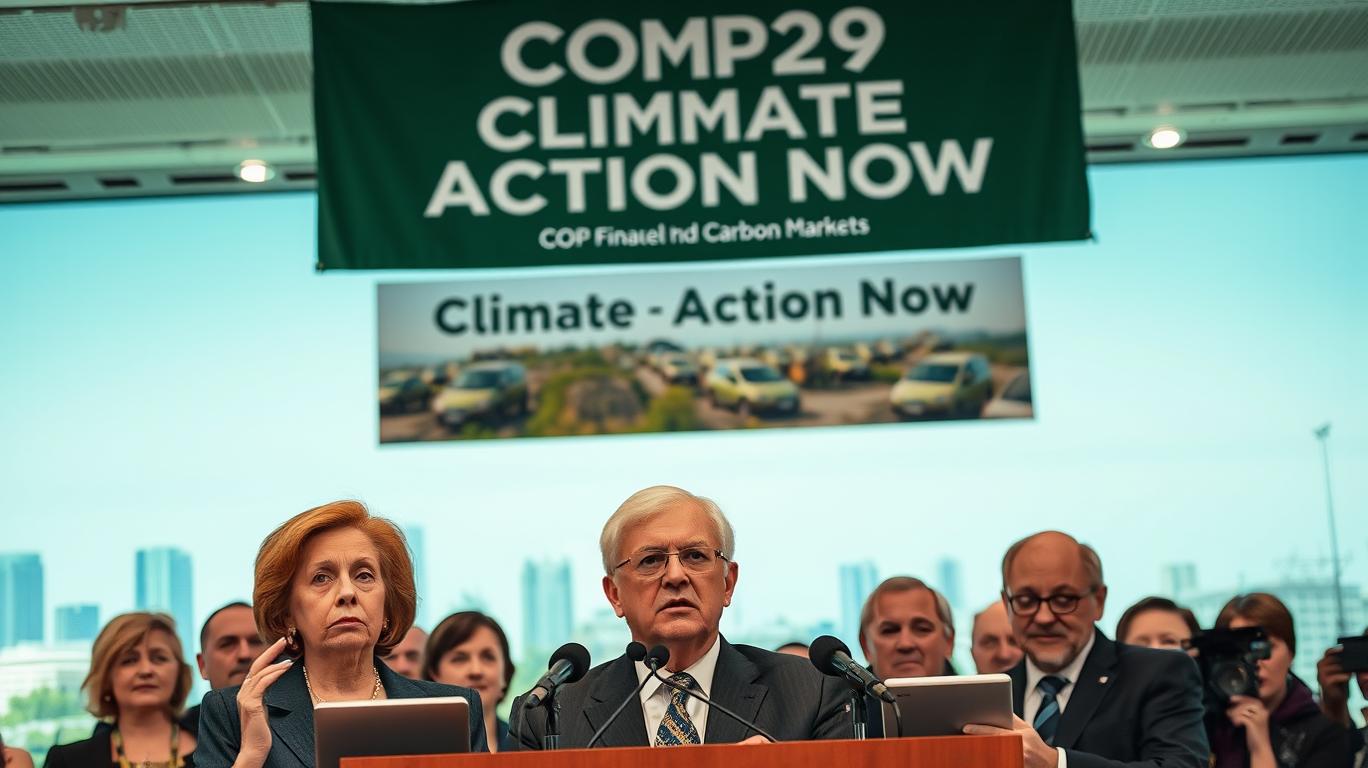
The UN Climate Change Conference (COP29) held in Baku, Azerbaijan, left the world with a clearer vision of the climate finance landscape and the operationalization of carbon markets. These developments, although not perfect, signal a significant step forward in addressing climate change and driving investment in emerging markets, green technologies, and adaptation initiatives.
The summit agreed on a new global climate finance target of at least $300 billion annually by 2035, a tripled amount from the previous commitment. This figure, which includes public finance and leveraged private finance, represents a substantial boost for developing countries to transition to a low-carbon and climate-resilient path. However, it falls short of the $1.3 trillion goal needed to meet the total financial needs of vulnerable nations.
The $300 billion target, along with the $1.3 trillion enabled by all actors, is set to influence investment decisions in emerging markets. The increased funding encourages investors to explore opportunities in clean energy projects and climate resilience initiatives. The enhanced focus on finance quality and access, coupled with simplified application processes, further incentivizes investments in these markets.
COP29's progress in Article 6 and carbon markets will significantly impact the investment landscape for carbon offset projects and green initiatives. With clearer guidelines for international trade of mitigation outcomes and a centralized carbon crediting mechanism, investors can now better assess risks and opportunities. The mandatory safeguards for environmental integrity and human rights will enhance the credibility of carbon credits, increasing their value and driving greater investment in these sectors.
The summit's Business, Investment and Philanthropy Climate Platform highlighted the importance of finance as an enabler of the transition. This event united leaders from the business, finance, and philanthropic communities to drive joint action towards achieving the goals of the Paris Agreement. The platform builds on the success of the COP28 Business and Philanthropy Forum, with a stronger focus on finance.
The new climate finance targets at COP29 have influenced policy trends related to carbon pricing and green investment. Over 60 countries now have carbon pricing systems, with many adopting COP29-driven recommendations for fairness, transparency, and revenue recycling. Additionally, the summit's emphasis on mobilizing private sector investment has spurred green bond issuance and sustainable finance initiatives, such as the EU's sustainable finance taxonomy.
However, investors should be aware of potential regulatory and policy risks in light of COP29's outcomes. These include carbon market volatility, policy uncertainty, geopolitical tensions, and regulatory compliance. To mitigate these risks, investors should maintain a diversified portfolio, stay informed about policy developments, and engage with stakeholders to ensure projects align with regulatory requirements and expectations.
In conclusion, COP29 marked a significant milestone in the climate finance landscape and the operationalization of carbon markets. The new targets and progress in Article 6 will drive investment opportunities in emerging markets, carbon offset projects, and green initiatives. Although risks remain, careful monitoring and adaptability will allow investors to capitalize on the burgeoning low-carbon economy.

Divulgación editorial y transparencia de la IA: Ainvest News utiliza tecnología avanzada de Modelos de Lenguaje Largo (LLM) para sintetizar y analizar datos de mercado en tiempo real. Para garantizar los más altos estándares de integridad, cada artículo se somete a un riguroso proceso de verificación con participación humana.
Mientras la IA asiste en el procesamiento de datos y la redacción inicial, un miembro editorial profesional de Ainvest revisa, verifica y aprueba de forma independiente todo el contenido para garantizar su precisión y cumplimiento con los estándares editoriales de Ainvest Fintech Inc. Esta supervisión humana está diseñada para mitigar las alucinaciones de la IA y garantizar el contexto financiero.
Advertencia sobre inversiones: Este contenido se proporciona únicamente con fines informativos y no constituye asesoramiento profesional de inversión, legal o financiero. Los mercados conllevan riesgos inherentes. Se recomienda a los usuarios que realicen una investigación independiente o consulten a un asesor financiero certificado antes de tomar cualquier decisión. Ainvest Fintech Inc. se exime de toda responsabilidad por las acciones tomadas con base en esta información. ¿Encontró un error? Reportar un problema


SOBRE NOSOTROS
Nuestra historiaAutores de noticiasBase de conocimientosPolítica de privacidadTérmino de usoDescargo de responsabilidad de corretaje de tercerosTérminos de uso de AIMEDivulgaciones de riesgos de AInvest AICarrerasCONTÁCTENOS
Email: support@ainvest.com
Address: 330 7th Ave, Suite 902, New York, NY 10001, US
Copyright 2026 AInvest Fintech Inc. All rights reserved.


Comentarios
Aún no hay comentarios