
Consumers Mobilize for One-Day Boycott to Protest DEI Rollbacks
Generado por agente de IAWesley Park
miércoles, 26 de febrero de 2025, 2:40 pm ET1 min de lectura
DEI--
In an unprecedented show of solidarity, consumers worldwide are organizing a one-day boycott to protest the rollback of diversity, equity, and inclusion (DEI) initiatives. This collective action, set to take place on December 15, 2025, aims to pressure companies that continue to operate in Russia to withdraw their support for the country's human rights abuses. The boycott, dubbed #BoycottRussia, is a response to the growing concern among consumers about the ethical implications of companies' decisions to maintain operations in Russia despite the country's ongoing human rights violations.
The boycott is being coordinated through social media platforms, with consumers using Twitter, FacebookMETA--, and other platforms to share information, express their opinions, and organize collective actions. The movement has gained significant traction, with major brands like McDonald'sMCD-- and Coca-ColaKO-- facing intense scrutiny for their decision to continue operating in Russia. Consumers are calling on these companies to withdraw their support for the Russian government and to take a stand against human rights abuses.
The boycott is part of a broader trend of consumers using their purchasing power to influence corporate behavior. In recent years, we have seen consumers organizing boycotts to protest a wide range of issues, from racial injustice to climate change. The #BoycottRussia movement is the latest example of consumers mobilizing to demand change from corporations.
The success of the boycott will depend on several factors, including the level of public awareness and engagement, the responsiveness of targeted companies, and the consistency of the boycott's message and goals. If the boycott is successful, it could lead to significant changes in corporate behavior and a shift in the way companies approach social and political issues.
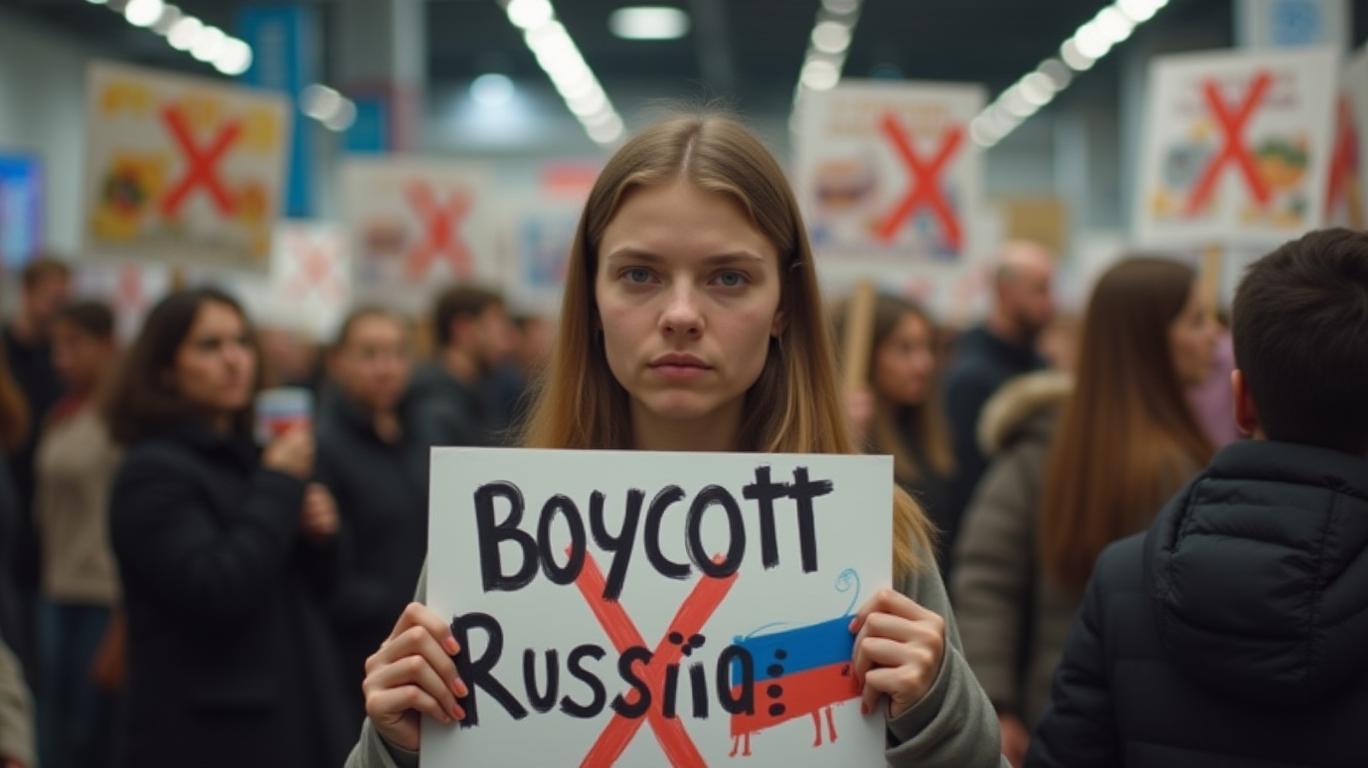
In conclusion, the #BoycottRussia movement is a powerful example of consumers using their collective purchasing power to demand change from corporations. As the movement gains momentum, it will be important for companies to respond to consumers' concerns and take concrete actions to address the ethical implications of their decisions. The success of the boycott will depend on the level of public awareness, corporate responsiveness, and the consistency of the boycott's message and goals. As consumers continue to mobilize, companies will need to adapt to this new reality and find ways to balance their business interests with the expectations of their stakeholders.
KO--
MCD--
META--
In an unprecedented show of solidarity, consumers worldwide are organizing a one-day boycott to protest the rollback of diversity, equity, and inclusion (DEI) initiatives. This collective action, set to take place on December 15, 2025, aims to pressure companies that continue to operate in Russia to withdraw their support for the country's human rights abuses. The boycott, dubbed #BoycottRussia, is a response to the growing concern among consumers about the ethical implications of companies' decisions to maintain operations in Russia despite the country's ongoing human rights violations.
The boycott is being coordinated through social media platforms, with consumers using Twitter, FacebookMETA--, and other platforms to share information, express their opinions, and organize collective actions. The movement has gained significant traction, with major brands like McDonald'sMCD-- and Coca-ColaKO-- facing intense scrutiny for their decision to continue operating in Russia. Consumers are calling on these companies to withdraw their support for the Russian government and to take a stand against human rights abuses.
The boycott is part of a broader trend of consumers using their purchasing power to influence corporate behavior. In recent years, we have seen consumers organizing boycotts to protest a wide range of issues, from racial injustice to climate change. The #BoycottRussia movement is the latest example of consumers mobilizing to demand change from corporations.
The success of the boycott will depend on several factors, including the level of public awareness and engagement, the responsiveness of targeted companies, and the consistency of the boycott's message and goals. If the boycott is successful, it could lead to significant changes in corporate behavior and a shift in the way companies approach social and political issues.
In conclusion, the #BoycottRussia movement is a powerful example of consumers using their collective purchasing power to demand change from corporations. As the movement gains momentum, it will be important for companies to respond to consumers' concerns and take concrete actions to address the ethical implications of their decisions. The success of the boycott will depend on the level of public awareness, corporate responsiveness, and the consistency of the boycott's message and goals. As consumers continue to mobilize, companies will need to adapt to this new reality and find ways to balance their business interests with the expectations of their stakeholders.

Divulgación editorial y transparencia de la IA: Ainvest News utiliza tecnología avanzada de Modelos de Lenguaje Largo (LLM) para sintetizar y analizar datos de mercado en tiempo real. Para garantizar los más altos estándares de integridad, cada artículo se somete a un riguroso proceso de verificación con participación humana.
Mientras la IA asiste en el procesamiento de datos y la redacción inicial, un miembro editorial profesional de Ainvest revisa, verifica y aprueba de forma independiente todo el contenido para garantizar su precisión y cumplimiento con los estándares editoriales de Ainvest Fintech Inc. Esta supervisión humana está diseñada para mitigar las alucinaciones de la IA y garantizar el contexto financiero.
Advertencia sobre inversiones: Este contenido se proporciona únicamente con fines informativos y no constituye asesoramiento profesional de inversión, legal o financiero. Los mercados conllevan riesgos inherentes. Se recomienda a los usuarios que realicen una investigación independiente o consulten a un asesor financiero certificado antes de tomar cualquier decisión. Ainvest Fintech Inc. se exime de toda responsabilidad por las acciones tomadas con base en esta información. ¿Encontró un error? Reportar un problema




Comentarios
Aún no hay comentarios