
Consumers Energy's Grid Upgrades: A Boost for Reliability and Stock Performance
Generado por agente de IACyrus Cole
viernes, 21 de marzo de 2025, 3:43 pm ET2 min de lectura
PEG--
Consumers Energy, Michigan's largest energy provider, has announced an ambitious plan to enhance the reliability of its electric grid. The company, which serves nearly 2 million homes and businesses, has received approval from the Michigan Public ServicePEG-- Commission to carry out extensive upgrades. These upgrades are part of the company's Reliability Roadmap, aimed at strengthening the grid and improving service to customers.
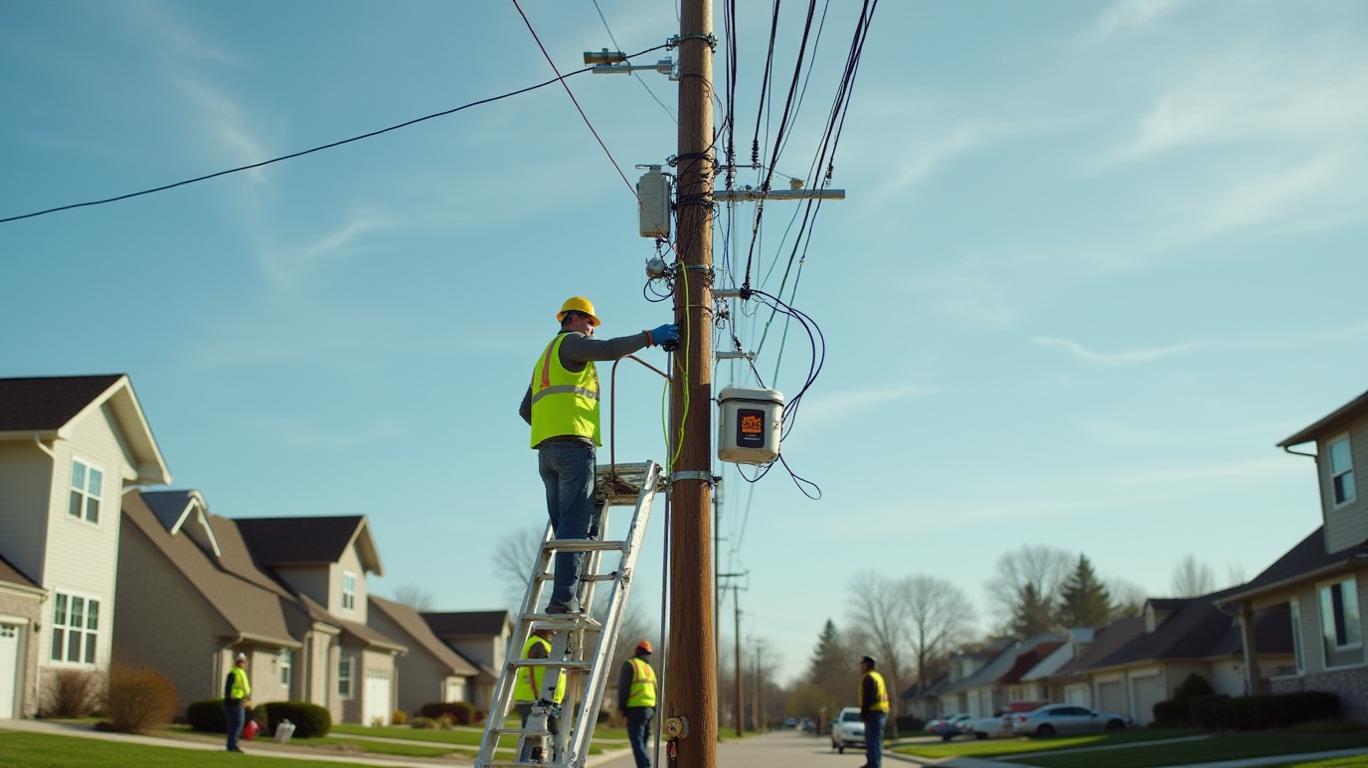
The plan includes clearing trees along 8,000 miles of power lines, burying 35 miles of additional power lines, and investing in technology to detect and respond more quickly to power outages. These initiatives are expected to significantly improve the grid's reliability and resilience, especially during severe weather conditions.
The financial impact of these upgrades will be substantial. The average household's electric bill is expected to increase by about $10 per month if the full amount is approved. While this increase may put short-term pressure on the company's earnings, the long-term benefits are expected to outweigh the initial costs. Improved reliability and reduced maintenance costs are likely to enhance customer satisfaction and retention, positively impacting the company's financial performance and stock valuation.
The upgrades align with Consumers Energy's broader strategy to create a modern, stronger, and more resilient power grid. The company's vice president of electric operations, Chris Laird, emphasized the importance of these investments, stating, "We know our customers are counting on us to deliver energy more reliably. Today's plan approval gives us more resources to do important work that affects people directly."
However, the implementation of these upgrades is not without risks and challenges. Geopolitical risks, environmental and regulatory challenges, technological and operational issues, economic and financial risks, and labor and workforce challenges could all impact the company's ability to achieve its goals. For instance, ongoing wars in the Middle East and Ukraine could lead to rising oil and global natural gas prices, affecting the cost of materials and equipment needed for the upgrades.
Despite these challenges, the long-term benefits of the upgrades are expected to be significant. The company's Reliability Roadmap includes burying power lines, grid automation, and proactive maintenance planning, all of which are expected to reduce the number and length of customer power outages. These initiatives are likely to lower costs associated with outages and improve the overall efficiency of the grid, positively impacting the company's financial performance and stock valuation.
In summary, Consumers Energy's proposed upgrades to improve electric reliability are expected to have both short-term and long-term impacts on the company's financial performance and stock valuation. While the short-term financial impact may be negative due to increased costs, the long-term benefits of improved reliability, reduced maintenance costs, and enhanced customer satisfaction are expected to outweigh these initial expenses, leading to a positive impact on the company's financial performance and stock valuation.
Consumers Energy, Michigan's largest energy provider, has announced an ambitious plan to enhance the reliability of its electric grid. The company, which serves nearly 2 million homes and businesses, has received approval from the Michigan Public ServicePEG-- Commission to carry out extensive upgrades. These upgrades are part of the company's Reliability Roadmap, aimed at strengthening the grid and improving service to customers.
The plan includes clearing trees along 8,000 miles of power lines, burying 35 miles of additional power lines, and investing in technology to detect and respond more quickly to power outages. These initiatives are expected to significantly improve the grid's reliability and resilience, especially during severe weather conditions.
The financial impact of these upgrades will be substantial. The average household's electric bill is expected to increase by about $10 per month if the full amount is approved. While this increase may put short-term pressure on the company's earnings, the long-term benefits are expected to outweigh the initial costs. Improved reliability and reduced maintenance costs are likely to enhance customer satisfaction and retention, positively impacting the company's financial performance and stock valuation.
The upgrades align with Consumers Energy's broader strategy to create a modern, stronger, and more resilient power grid. The company's vice president of electric operations, Chris Laird, emphasized the importance of these investments, stating, "We know our customers are counting on us to deliver energy more reliably. Today's plan approval gives us more resources to do important work that affects people directly."
However, the implementation of these upgrades is not without risks and challenges. Geopolitical risks, environmental and regulatory challenges, technological and operational issues, economic and financial risks, and labor and workforce challenges could all impact the company's ability to achieve its goals. For instance, ongoing wars in the Middle East and Ukraine could lead to rising oil and global natural gas prices, affecting the cost of materials and equipment needed for the upgrades.
Despite these challenges, the long-term benefits of the upgrades are expected to be significant. The company's Reliability Roadmap includes burying power lines, grid automation, and proactive maintenance planning, all of which are expected to reduce the number and length of customer power outages. These initiatives are likely to lower costs associated with outages and improve the overall efficiency of the grid, positively impacting the company's financial performance and stock valuation.
In summary, Consumers Energy's proposed upgrades to improve electric reliability are expected to have both short-term and long-term impacts on the company's financial performance and stock valuation. While the short-term financial impact may be negative due to increased costs, the long-term benefits of improved reliability, reduced maintenance costs, and enhanced customer satisfaction are expected to outweigh these initial expenses, leading to a positive impact on the company's financial performance and stock valuation.

Divulgación editorial y transparencia de la IA: Ainvest News utiliza tecnología avanzada de Modelos de Lenguaje Largo (LLM) para sintetizar y analizar datos de mercado en tiempo real. Para garantizar los más altos estándares de integridad, cada artículo se somete a un riguroso proceso de verificación con participación humana.
Mientras la IA asiste en el procesamiento de datos y la redacción inicial, un miembro editorial profesional de Ainvest revisa, verifica y aprueba de forma independiente todo el contenido para garantizar su precisión y cumplimiento con los estándares editoriales de Ainvest Fintech Inc. Esta supervisión humana está diseñada para mitigar las alucinaciones de la IA y garantizar el contexto financiero.
Advertencia sobre inversiones: Este contenido se proporciona únicamente con fines informativos y no constituye asesoramiento profesional de inversión, legal o financiero. Los mercados conllevan riesgos inherentes. Se recomienda a los usuarios que realicen una investigación independiente o consulten a un asesor financiero certificado antes de tomar cualquier decisión. Ainvest Fintech Inc. se exime de toda responsabilidad por las acciones tomadas con base en esta información. ¿Encontró un error? Reportar un problema




Comentarios
Aún no hay comentarios