
US Consumer Sentiment Plunges Amid Soaring Inflation Fears: A Perfect Storm for Investors
The latest University of Michigan Consumer Sentiment data for April 2025 delivers a stark warning for investors: American consumers are increasingly pessimistic about the economy, with inflation fears reaching four-decade highs. The preliminary April Index of Consumer Sentiment plummeted to 50.8—a 10.9% month-over-month (M-M) decline and a 34.2% year-over-year (Y-Y) drop—marking the lowest reading since June 2022 and the second-worst in the survey’s 73-year history. Meanwhile, year-ahead inflation expectations surged to 6.7%, the highest since November 1981, as trade war anxieties and recession fears reshape spending behavior.
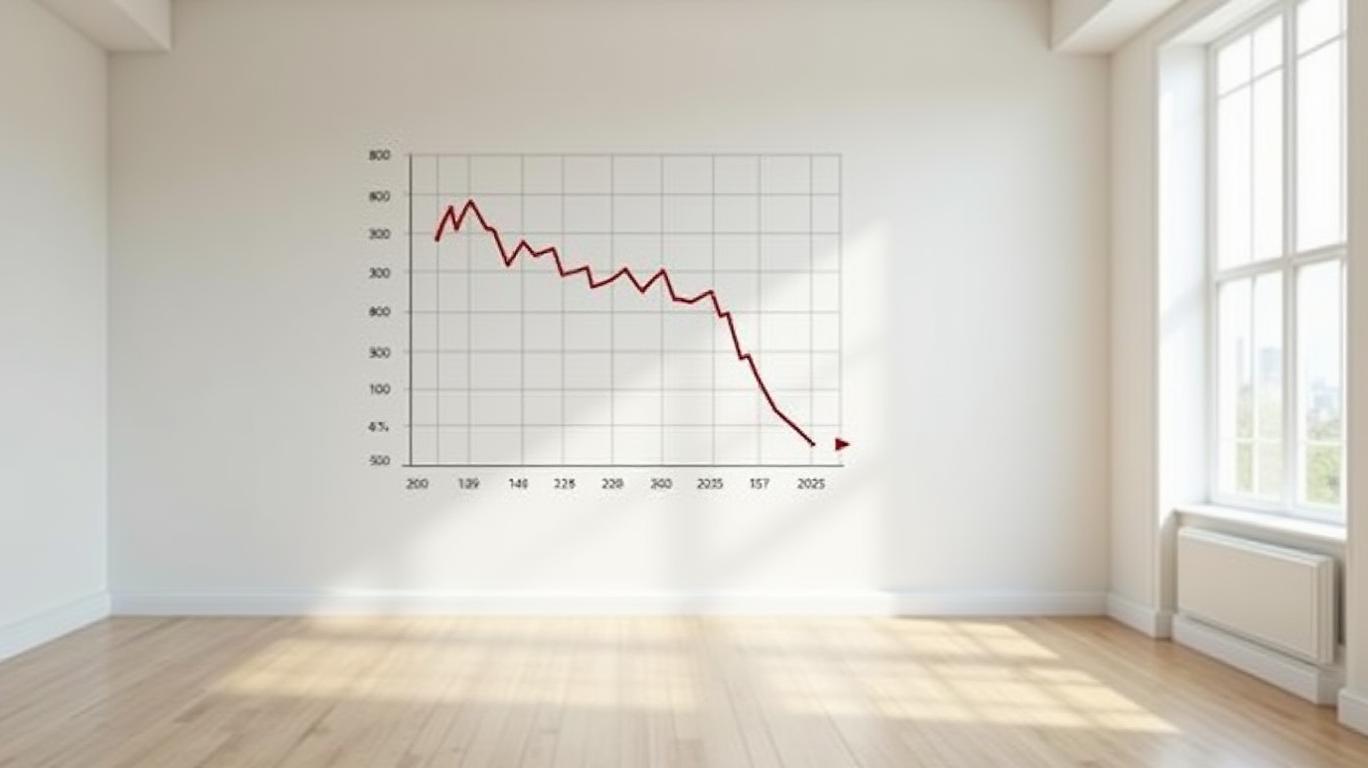
The Perfect Storm: Sentiment and Inflation Collide
The April data reveals a collapse in confidence across all demographics. The Current Economic Conditions sub-index fell to 56.5 (down 11.4% M-M), while the Index of Consumer Expectations—a forward-looking gauge—dropped to 47.2 (down 10.3% M-M), its lowest level since May 1980. Consumers now view risks to their finances, jobs, and inflation as acute. Notably, the share of households anticipating rising unemployment in the next year more than doubled since November 2024, hitting levels last seen during the 2009 recession.
Inflation expectations have become a self-reinforcing cycle. Year-ahead inflation expectations rose 1.7 percentage points in April alone, to 6.7%, with five-year expectations climbing to 4.4%. These figures contrast sharply with market-based measures like the 5-year breakeven rate, which showed easing inflation pressures in March. The disconnect suggests investors may be underestimating the psychological toll of persistent price hikes and trade policy uncertainty.
Trade Wars and Tariffs: The Hidden Culprit
The report explicitly cites unresolved trade tensions as a primary driver of economic anxiety. President Trump’s tariffs and ongoing global trade disputes have created a climate of uncertainty, with consumers expressing heightened concern over rising prices and job losses. Even after a partial tariff reversal on April 9, the final April sentiment reading (revised upward to 52.2) remained historically weak, underscoring that policy volatility has eroded trust in economic stability.
Market Reactions: A Mixed Picture
Financial markets reacted cautiously to the data. Treasury yields rose on inflation fears, while the S&P 500 edged higher after the final report’s 52.2 reading slightly outperformed forecasts. However, the dollar weakened and gold prices fell as traders took profits, signaling a lack of consensus about the economic outlook. Economists like Pantheon Macroeconomics’ Samuel Tombs warned that sentiment has shifted from “anxious to petrified,” with consumers now viewing recession risks as credible.
The Federal Reserve faces a dilemma: rising inflation expectations risk becoming self-fulfilling as households and businesses adjust spending and pricing behaviors. Yet short-term data, such as March’s easing CPI figures, suggest no immediate need for rate hikes. This tension creates a “wait-and-see” environment for investors, who must balance near-term opportunities against long-term risks.
What Does This Mean for Investors?
The April data underscores two critical themes: sector rotation and policy sensitivity.
- Consumer Discretionary Woes: Sectors reliant on spending—such as autos, retail, and travel—are vulnerable as cautious consumers prioritize saving over splurging. The automotive industry, for instance, saw a 2.7% drop in sales in March 2025 amid rising prices and financing costs.
Trade-Exposed Industries: Companies with global supply chains or exposure to tariffs—like industrial manufacturers or semiconductor firms—face headwinds as trade policies remain volatile.
Inflation Hedges: Investors may turn to inflation-protected assets like TIPS, commodities, or energy stocks, which have historically outperformed during periods of rising prices.
Policy Watch: The Fed’s next move hinges on whether inflation expectations stabilize. If year-ahead expectations retreat below 5%—as they did in early 2023—markets may rebound.
Conclusion: A Crossroads for the Economy
The April 2025 consumer sentiment data is a red flag for investors. With sentiment at multi-decade lows and inflation expectations near 1980s levels, the economy faces a critical inflection point. The University of Michigan’s warning of a “perfect storm” of trade policy uncertainty and inflation anxiety is backed by hard numbers: a 34.2% Y-Y decline in confidence and a 1.7-percentage-point monthly jump in inflation expectations.
For portfolios, this means prioritizing defensive strategies while monitoring trade policy developments closely. Investors should favor companies with pricing power, resilient balance sheets, and minimal exposure to global trade disruptions. The data also suggests caution in overinterpreting short-term market gains—the S&P’s modest April rise occurred amid record pessimism, a sign that optimism may be premature.
In the end, the April report isn’t just about numbers; it’s about psychology. When consumers feel recession risks are real and inflation is out of control, spending slows—a dynamic that could test even the strongest sectors. For now, the message is clear: brace for turbulence.







Comentarios
Aún no hay comentarios