
Consumer Goods Sector Volatility Amid Food Safety Crises: Lessons from the 2025 Shredded Cheese Recall
Supply Chain Risk Management: A Test of Preparedness
The contamination, traced to metal fragments in raw materials supplied to Great Lakes Cheese Co., exposed gaps in supplier vetting and quality control according to investigations. Aldi, Target, and Walmart, which sold the affected products under their private-label brands (Happy Farms, Good & Gather, and Great Value, respectively), faced immediate scrutiny over their supply chain practices.
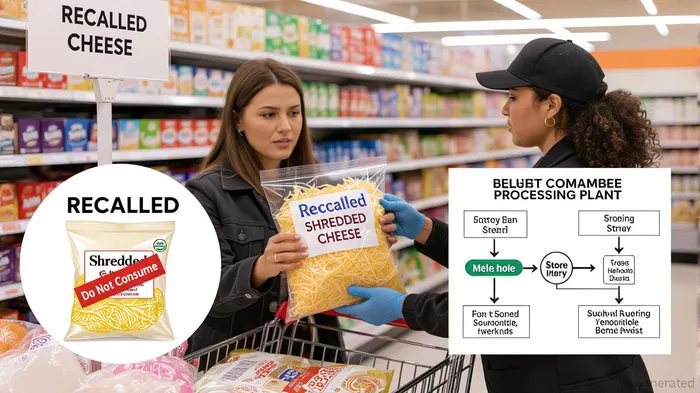
Aldi demonstrated a swift response by removing recalled products from shelves and leveraging its established rapid-response protocols to collaborate with manufacturers according to corporate statements. The company's emphasis on stringent quality control and trusted supplier partnerships likely minimized operational disruptions according to . In contrast, Target and Walmart faced challenges in communicating the scope of the recall, according to . This inconsistency in regulatory messaging complicated consumer trust and highlighted the need for real-time transparency in crisis communication.
For investors, the incident underscores the value of retailers with robust supplier audits and traceability systems. Companies that integrate advanced monitoring technologies-such as blockchain for ingredient tracking or AI-driven quality checks-may better navigate such crises according to .
Brand Resilience: Rebuilding Trust in a Post-Crisis Landscape
The recall's impact on consumer trust necessitated swift brand resilience strategies. Aldi, Target, and Walmart adopted standard crisis management tactics, including public apologies, clear return/refund policies, and enhanced supplier scrutiny according to media reports. Aldi emphasized its commitment to safety through rapid product removal and collaboration with manufacturers according to company updates, while Target and Walmart launched customer outreach campaigns to reaffirm their dedication to food safety according to .
However, the long-term success of these strategies depends on sustained action. For instance, Great Lakes Cheese Co.'s failure to respond to media inquiries during the crisis according to media coverage contrasts with the proactive communication of the retailers. Investors should monitor whether these companies invest in third-party audits, supplier diversification, or consumer education programs to prevent recurrence.
Investor Implications: Navigating Sector Volatility
The 2025 recall exemplifies how food safety crises can amplify sector volatility. Private-label brands, while cost-effective, carry reputational risks tied to supplier performance. Retailers with diversified supplier bases and transparent sourcing practices-such as Walmart's recent investments in farm-to-store traceability-may outperform peers in such scenarios according to industry analysis.
Moreover, the incident highlights the financial stakes of recall management. The cost of recalls, including product write-offs, regulatory fines, and lost sales, can erode short-term profits. However, companies that prioritize resilience-through supplier insurance, crisis simulation drills, and consumer engagement-can mitigate these impacts according to financial reports. For example, .
Conclusion: A Call for Proactive Governance
The 2025 shredded cheese recall serves as a wake-up call for the consumer goods sector. While Aldi, Target, and Walmart navigated the crisis with varying degrees of success, the incident underscores the need for proactive supply chain governance and transparent brand stewardship. For investors, the key takeaway is clear: resilience in the face of food safety crises is not just a reputational imperative but a financial one. Retailers that embed these lessons into their operational DNA will be better positioned to weather future volatility and secure long-term trust.





Comentarios
Aún no hay comentarios