
Consumer Goods Sector Volatility: Assessing the Impact of the FDA Shredded Cheese Recall
Supply Chain Risk Management: A Systemic Challenge
The shredded cheese recall highlights the vulnerabilities inherent in complex, cost-driven supply chains. The contamination originated from a supplier's raw materials, a point of failure that cascaded through multiple private-label brands and 31 U.S. states. Such incidents reflect a broader trend: in 2025, compared to prior years, despite fewer overall recall events, signaling a shift toward larger, more impactful recalls.
For food retailers, the recall exposed gaps in supplier oversight and traceability. According to a report by GreyB, emerging technologies like blockchain-based tracking systems and biosensor tools are becoming essential for isolating contaminated products quickly and minimizing recall scope. Aldi, Target, and WalmartWMT--, for instance, faced pressure to demonstrate transparency in their supplier vetting processes. The incident also amplified calls for stricter adherence to global supply chain standards, such as the (GFSI), to preempt contamination risks.
Brand Resilience: Mitigating Reputational Damage
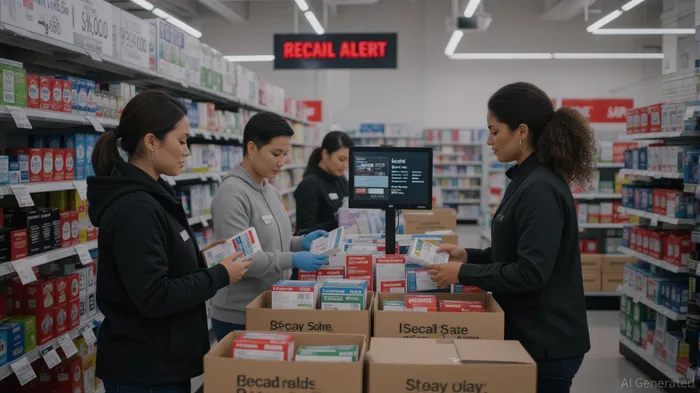 The financial and reputational fallout from the recall was compounded by a growing "recall fatigue" among consumers. A 2025 study revealed , with younger demographics showing heightened reluctance. For retailers like Walmart and Target, whose private-label brands were implicated, the challenge was twofold: addressing immediate customer concerns while safeguarding long-term brand equity.
The response strategies adopted by these companies offer insights into effective brand resilience. Retailers swiftly removed affected products from shelves and offered full refunds, including for opened packages-a move that aligned with best practices in crisis communication. Aldi, for example, issued a public apology and emphasized collaboration with the FDA to reinforce its commitment to food safety. Such actions, while reactive, are critical in mitigating trust erosion. As noted by , proactive measures like simulation exercises and cross-functional recall readiness teams can further reduce reputational damage.
Market Reactions and Investor Implications
Despite the scale of the recall, immediate market reactions were muted. Sales at major retailers like Walmart and Costco showed no direct decline, suggesting that consumer loyalty and brand strength can buffer short-term impacts. However, the broader "trust crisis" in packaged foods-exacerbated by prior recalls involving radioactive shrimp and listeria-contaminated pasta-poses a longer-term risk. For investors, this underscores the importance of evaluating companies not just on their financial metrics but on their capacity to adapt to regulatory and reputational pressures.
The recall also highlights the role of insurance and technology in mitigating financial exposure. Companies with recall insurance policies were better positioned to absorb costs associated with product retrieval and refunds. Additionally, investments in traceability technologies, such as Ecotrace's blockchain solutions, are increasingly viewed as strategic assets in minimizing recall-related losses.
Conclusion: Lessons for the Consumer Goods Sector
The 2025 shredded cheese recall serves as a stark reminder of the interconnected risks facing the food retail sector. For investors, the incident underscores the necessity of prioritizing companies with transparent supply chains, agile crisis response frameworks, and a demonstrated commitment to consumer safety. As recalls become larger and more frequent, the ability to balance cost efficiency with risk mitigation will define the resilience of consumer goods brands in an increasingly volatile market.





Comentarios
Aún no hay comentarios