
Consumer Goods Sector Volatility: Assessing the Impact of the 2025 Shredded Cheese Recall Crisis
Supply Chain Vulnerabilities: A Systemic Wake-Up Call
The root cause of the Great Lakes Cheese Co. recall-metal fragments traced to supplier raw materials-highlights a systemic issue: over-reliance on centralized production models and insufficient supplier oversight. According to the , , despite a decline in total recall events. This paradox-fewer recalls but larger-scale contamination-signals a shift in risk profiles, where companies face not just operational disruptions but also existential threats to consumer trust.
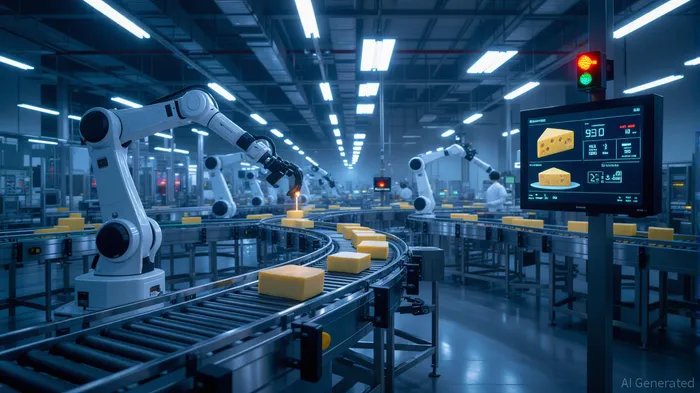 Investors must now ask: How prepared are food-processing firms to handle cascading supply chain failures? The answer lies in their adoption of technologies like blockchain and AI-driven traceability systems. Walmart's partnership with IBM's Food Trust, for instance, , a critical advantage during recalls. Similarly, startups like are deploying real-time pathogen detection systems, enabling immediate action without costly lab delays. For companies lagging in these innovations, the financial toll is steep: , plus long-term brand erosion.
Brand Resilience: Trust as a Tradable Asset
The recall crisis has also laid bare the fragility of brand equity in the food sector. survey reveals , with Millennials and Gen Z leading the charge. This generational shift toward transparency means that even a single misstep can decimate market share. Consider the case of Face Rock Creamery, which voluntarily recalled its Vampire Slayer Garlic Cheddar after environmental testing detected . Though no illnesses were reported, the FDA classified it as a Class I recall (highest risk), and the company's swift, transparent response became a case study in crisis management.
For investors, the lesson is clear: brands that prioritize proactive communication . Conversely, companies that downplay risks or lack contingency plans face not just regulatory fines but also a collapse in consumer loyalty. The FDA's upcoming Rule 204 under the Food Safety Modernization Act (FSMA), mandating 24-hour traceability reporting, will further pressure laggards to modernize or risk obsolescence.
Investment Implications: Diversify or Deteriorate
The 2025 crisis has rewritten the playbook for food-processing investments. Here's how to navigate the volatility:
- Tech-Integrated Producers: Prioritize companies leveraging AI, , and for supply chain visibility. These firms are better positioned to mitigate recalls and maintain consumer trust.
- Alternative Proteins and Sustainability: Shift allocations toward plant-based and , which diversify supply chains and align with regulatory trends. Investors are already pushing .
- Localized Production Models: Nearshoring and localized processing facilities reduce dependency on global supply chains, a strategy and digital farming ventures gaining traction in 2025.
- Quality Control as a Competitive Edge: Watch for companies with robust supplier audits and real-time monitoring systems. Those cutting corners on safety will face escalating costs and reputational damage.
Conclusion: The New Normal in Food Safety
The 2025 Shredded Cheese Recall Crisis is not an outlier-it's a harbinger of a more volatile era for consumer goods. As recalls become more frequent and severe, investors must treat supply chain resilience and brand trust as non-negotiable metrics. The winners will be those who embrace innovation, , and diversification. For the rest, the message is stark: adapt or be left behind.





Comentarios
Aún no hay comentarios