
Consumer Goods Sector Risk Management: Lessons from the 2025 Shredded Cheese Recall Crisis
Investor Sentiment and Stock Volatility: A Mixed Bag
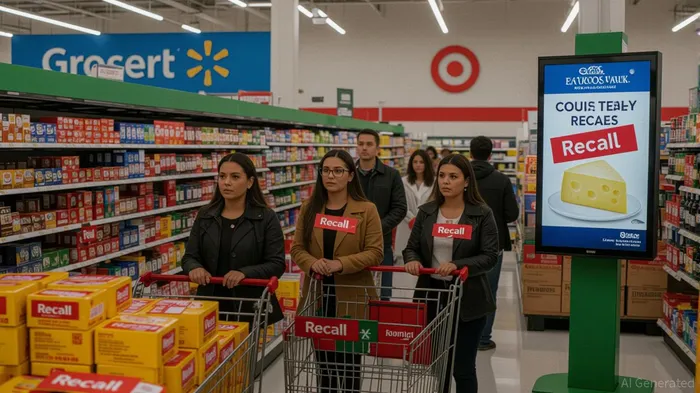
The recall, , has created ripples in investor sentiment. Target, in its third quarter, , reflecting broader concerns about its ability to retain shoppers amid rising competition. According to patch.com, WalmartWMT--, while showing mixed signals, faced scrutiny over its private-label supply chain, which accounted for a significant portion of the recalled products. Aldi, though less transparent in its financial disclosures, likely experienced similar reputational damage given its reliance on private-label brands like Happy Farms.
Stock price volatility post-announcement was muted compared to more severe Class I recalls, as the FDA's classification of temporary health risks limited panic. However, . For investors, this highlights the need to monitor not just immediate stock reactions but also the duration of reputational harm.
Brand Reputation and Crisis Management: A Test of Resilience
The recall has forced these retailers to confront their crisis management protocols. Walmart and Target swiftly issued refunds and partnered with the FDA to communicate risks, while Aldi emphasized its commitment to food safety through social media campaigns. However, the root cause-supplier contamination-reveals a systemic flaw: over-reliance on third-party vendors without stringent quality controls.
According to a report by GreyB, the incident has raised industry-wide questions about supplier vetting and real-time contamination detection technologies. Companies that invest in blockchain traceability or AI-driven quality checks may emerge stronger, offering a competitive edge in a sector where trust is paramount.
Identifying Undervalued Consumer Staples Stocks: A Framework for Resilience
 For investors seeking undervalued opportunities, the key lies in evaluating companies with proactive crisis management frameworks. Consider the following criteria:
. Supply Chain Transparency: Firms with diversified supplier bases and rigorous audits (e.g., those adopting IoT-enabled monitoring) are better positioned to avoid recalls.
. Brand Loyalty Metrics: Brands with high (NPS) can weather crises more effectively, as seen in Procter & Gamble's recovery post-2019 recall.
. Financial Reserves for Crisis Response: Strong cash flow allows for swift refunds, PR campaigns, and supplier retraining, minimizing long-term damage.
Walmart's recent investments in AI-powered inventory tracking and Target's push for local supplier partnerships suggest both are adapting to such risks. Aldi, however, remains a wildcard, with its limited public financial disclosures complicating assessments.
Conclusion: Balancing Risk and Reward in a Volatile Sector
The 2025 cheese recall serves as a cautionary tale for the consumer goods sector. While no fatalities were reported, the incident underscores the fragility of brand trust and the cascading effects of supply chain missteps. For investors, the path forward lies in prioritizing companies that treat risk management as a strategic imperative rather than a compliance checkbox. By focusing on transparency, technological innovation, and financial preparedness, the next generation of undervalued consumer staples stocks can emerge not just unscathed, but stronger.





Comentarios
Aún no hay comentarios