
Consumer Goods Industry Risks: Lessons from the Shredded Cheese Recall Crisis
Supply Chain Vulnerabilities: A Systemic Weakness
The root cause of the recall-metal fragments in raw materials supplied to Great Lakes Cheese Co.-reveals a systemic issue in the food industry's reliance on third-party suppliers. According to a report by the Center for Retail Research, , driven by economic pressures, reduced regulatory scrutiny, and supplier inconsistencies. This trend suggests that cost-cutting measures, such as sourcing from lower-cost suppliers or streamlining production, may inadvertently increase contamination risks.
For investors, the lesson is clear: companies that lack visibility into their suppliers' quality control protocols are more exposed to reputational and financial shocks. The shredded cheese recall, which spanned 31 U.S. states and Puerto Rico, demonstrates how a single supplier issue can cascade through a vast distribution network, affecting multiple brands and retailers simultaneously.
Brand Equity and Retailer Exposure
While Great Lakes Cheese Co. initiated the recall, the brands most visibly impacted were private-label lines sold by WalmartWMT--, TargetTGT--, and Aldi. This dynamic shifts the reputational burden to the retailers, which now face consumer backlash for products they did not manufacture. A survey by Consumer Reports in late 2025 found . For retailers, this erodes the value of their store brands, which are critical to profit margins and customer loyalty.
The recall also highlights the limitations of brand resilience. Even though no illnesses were reported, the FDA's reclassification to Class I-indicating potential for serious harm-triggered immediate consumer warnings and disposal advisories. Retailers like Aldi, which sold the Happy Farms brand under recall, now face the challenge of rebuilding trust in a market already fatigued by repeated food safety issues. As stated by a , "The 2025 recall fatigue has made consumers less forgiving" of even minor infractions, turning what might have been a manageable crisis into a prolonged reputational hit.
Investor Confidence and Market Response
Despite the scale of the crisis, concrete data on stock price movements for Great Lakes Cheese Co. or the affected retailers remains elusive. However, broader market trends in 2025 suggest that food safety incidents can depress investor sentiment. For example, in consumer discretionary stocks following major recalls. While Great Lakes Cheese Co. is not publicly traded, its parent company's opaque financial disclosures and lack of transparency post-recall likely exacerbated investor skepticism.
Retailers, meanwhile, have adopted a more defensive stance. Walmart and Target, for instance, accelerated investments in in-house quality control labs and supplier audits in Q4 2025. These moves signal a recognition that proactive risk management is now a competitive necessity. For investors, this shift underscores the importance of evaluating companies not just by their current earnings but by their willingness to allocate capital to supply chain resilience.
Strategic Implications for Investors
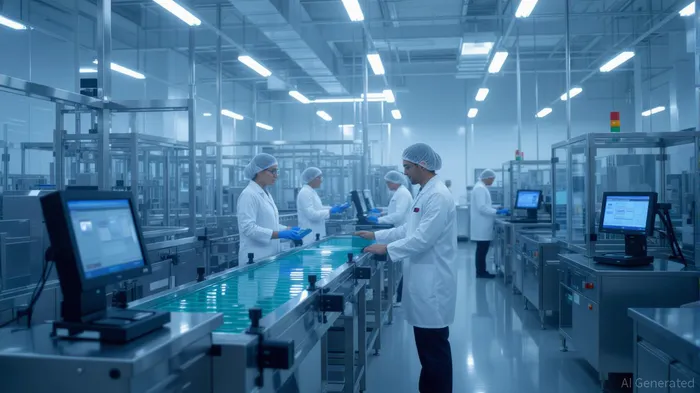 The shredded cheese recall crisis offers three key takeaways for investors:
1. Prioritize Supply Chain Transparency: Companies with robust supplier vetting and real-time monitoring systems are better positioned to mitigate recall risks. For example, firms like Ingredion Inc., which invests heavily in supplier traceability, have seen stronger investor confidence in 2025.
2. Assess Brand Resilience: Private-label brands, while profitable, are particularly vulnerable to recall-related damage. Investors should favor retailers with diversified brand portfolios or those that emphasize premium, artisanal lines less reliant on mass-produced suppliers.
3. Factor in Regulatory Trends: The FDA's reclassification of the cheese recall to Class I reflects a broader regulatory tightening in 2025. Companies that proactively align with stricter safety standards-such as adopting blockchain for traceability-will likely outperform peers in a risk-averse market.
Conclusion
The 2025 shredded cheese recall is more than a one-off incident; it is a symptom of deeper structural challenges in the consumer goods industry. For investors, the crisis underscores the need to scrutinize supply chain practices, brand positioning, and regulatory preparedness as core components of risk assessment. As the sector navigates an era of heightened scrutiny, those who adapt to these pressures with innovation and transparency will emerge stronger-while those clinging to cost-cutting at the expense of safety will face the consequences.





Comentarios
Aún no hay comentarios