
Consumer Confidence Drops in December: What It Means for Holiday Spending
Generado por agente de IAWesley Park
lunes, 23 de diciembre de 2024, 10:17 am ET2 min de lectura
AMZN--
As the holiday season approaches, retailers and consumers alike are keeping a close eye on consumer confidence. The Conference Board recently reported a decline in consumer confidence in December, with the Consumer Confidence Index (CCI) falling to 104.7 from 112.8 in November. This decrease, driven by a significant drop in short-term expectations for income, business, and the job market, signals potential recession concerns. So, what does this mean for holiday spending?

Firstly, let's understand the factors driving the decrease in consumer confidence. Ongoing economic uncertainties, such as inflation, wage stagnation, and geopolitical tensions, are likely influencing consumer sentiment. Inflation, at 7.1% in November, erodes purchasing power, while interest rates, though declining, still impact borrowing costs. Despite a strong labor market, with unemployment at 3.7%, wage growth has not kept pace with inflation, leaving consumers cautious about spending.
This cautiousness is evident in consumer spending patterns during the holiday season. Consumers are trading down to more value-oriented choices and focusing on have-to-haves over want-to-haves. According to Mintel, consumers are still weakened by the cost of living crisis and plan to use promotions and discounts during the holiday season. The National Retail Federation forecasts holiday sales growth of 2.5% to 3.5% over 2023, reflecting this cautious approach.
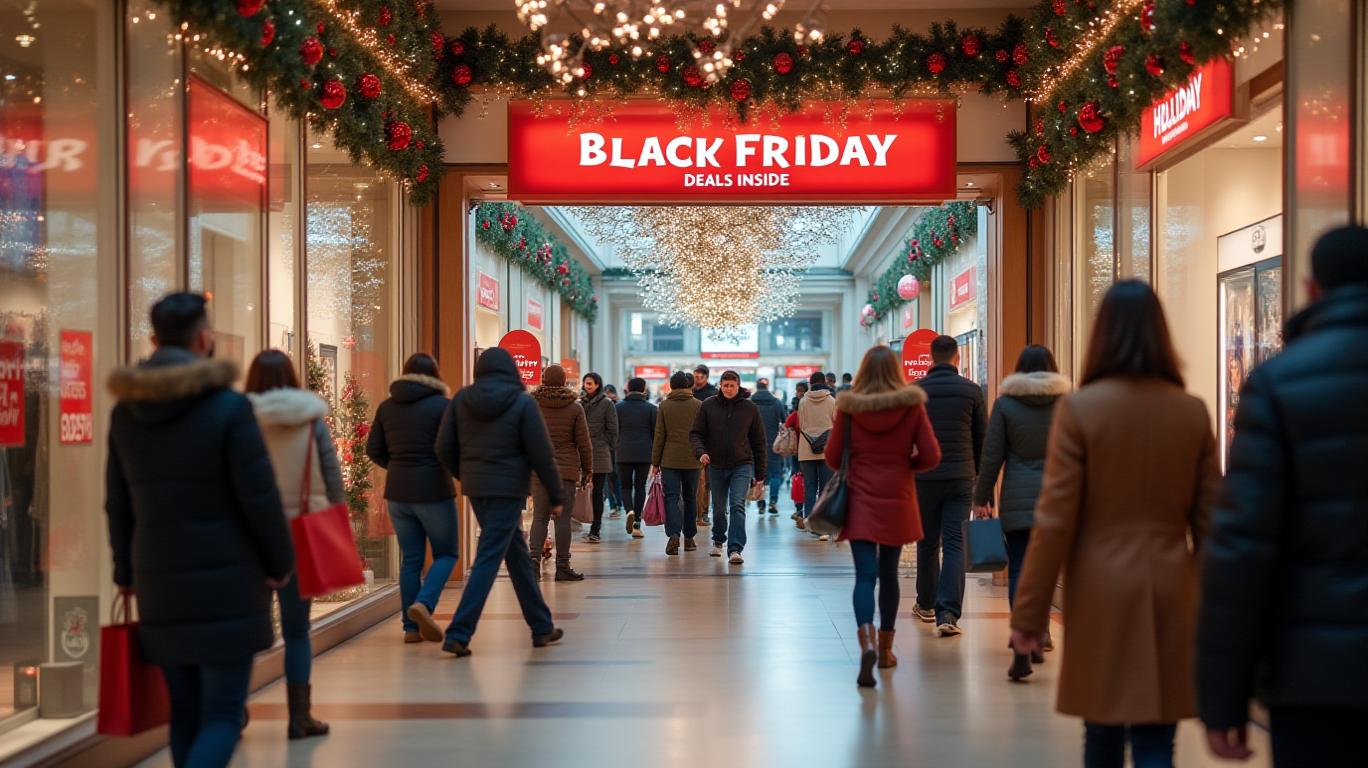
Retailers must adapt to these trends by controlling costs and improving customer experience to thrive during the holiday season. Promotions and discounts play a crucial role in shaping consumer spending patterns. In 2024, retailers kicked off the season earlier than ever, with Amazon and Walmart launching "pre-Black Friday" sales on October 10. This "holiday creep" boosted October's retail sales by 5.4% year-over-year, but it also led to a 1.4% decline in sales during the first half of November compared to the same period last year. This trend suggests that consumers are deferring spending until they see better deals, making promotions and discounts key drivers of consumer behavior.
Consumer concerns about over-consumption and environmental impact are also influencing gift-giving decisions and spending habits. According to Mintel, reducing the number of gift recipients is a practical way to keep costs down, with 44% of consumers planning to do so in 2024. Additionally, 30% of consumers are participating in Secret Santa or gift exchange schemes to limit spending. This trend, driven by financial and ethical concerns, is a natural threat to festive demand, but retailers can challenge it by offering low-ticket, value-for-money gifting options that reassure consumers' ethical and environmental concerns.
In conclusion, the decline in consumer confidence in December is a clear indication of the cautious approach consumers are taking towards holiday spending. Retailers must adapt to these trends by focusing on value, convenience, and early promotions to maintain holiday sales growth. By understanding and addressing consumer concerns, retailers can thrive during the holiday season and beyond.
WMT--
As the holiday season approaches, retailers and consumers alike are keeping a close eye on consumer confidence. The Conference Board recently reported a decline in consumer confidence in December, with the Consumer Confidence Index (CCI) falling to 104.7 from 112.8 in November. This decrease, driven by a significant drop in short-term expectations for income, business, and the job market, signals potential recession concerns. So, what does this mean for holiday spending?
Firstly, let's understand the factors driving the decrease in consumer confidence. Ongoing economic uncertainties, such as inflation, wage stagnation, and geopolitical tensions, are likely influencing consumer sentiment. Inflation, at 7.1% in November, erodes purchasing power, while interest rates, though declining, still impact borrowing costs. Despite a strong labor market, with unemployment at 3.7%, wage growth has not kept pace with inflation, leaving consumers cautious about spending.
This cautiousness is evident in consumer spending patterns during the holiday season. Consumers are trading down to more value-oriented choices and focusing on have-to-haves over want-to-haves. According to Mintel, consumers are still weakened by the cost of living crisis and plan to use promotions and discounts during the holiday season. The National Retail Federation forecasts holiday sales growth of 2.5% to 3.5% over 2023, reflecting this cautious approach.
Retailers must adapt to these trends by controlling costs and improving customer experience to thrive during the holiday season. Promotions and discounts play a crucial role in shaping consumer spending patterns. In 2024, retailers kicked off the season earlier than ever, with Amazon and Walmart launching "pre-Black Friday" sales on October 10. This "holiday creep" boosted October's retail sales by 5.4% year-over-year, but it also led to a 1.4% decline in sales during the first half of November compared to the same period last year. This trend suggests that consumers are deferring spending until they see better deals, making promotions and discounts key drivers of consumer behavior.
Consumer concerns about over-consumption and environmental impact are also influencing gift-giving decisions and spending habits. According to Mintel, reducing the number of gift recipients is a practical way to keep costs down, with 44% of consumers planning to do so in 2024. Additionally, 30% of consumers are participating in Secret Santa or gift exchange schemes to limit spending. This trend, driven by financial and ethical concerns, is a natural threat to festive demand, but retailers can challenge it by offering low-ticket, value-for-money gifting options that reassure consumers' ethical and environmental concerns.
In conclusion, the decline in consumer confidence in December is a clear indication of the cautious approach consumers are taking towards holiday spending. Retailers must adapt to these trends by focusing on value, convenience, and early promotions to maintain holiday sales growth. By understanding and addressing consumer concerns, retailers can thrive during the holiday season and beyond.

Divulgación editorial y transparencia de la IA: Ainvest News utiliza tecnología avanzada de Modelos de Lenguaje Largo (LLM) para sintetizar y analizar datos de mercado en tiempo real. Para garantizar los más altos estándares de integridad, cada artículo se somete a un riguroso proceso de verificación con participación humana.
Mientras la IA asiste en el procesamiento de datos y la redacción inicial, un miembro editorial profesional de Ainvest revisa, verifica y aprueba de forma independiente todo el contenido para garantizar su precisión y cumplimiento con los estándares editoriales de Ainvest Fintech Inc. Esta supervisión humana está diseñada para mitigar las alucinaciones de la IA y garantizar el contexto financiero.
Advertencia sobre inversiones: Este contenido se proporciona únicamente con fines informativos y no constituye asesoramiento profesional de inversión, legal o financiero. Los mercados conllevan riesgos inherentes. Se recomienda a los usuarios que realicen una investigación independiente o consulten a un asesor financiero certificado antes de tomar cualquier decisión. Ainvest Fintech Inc. se exime de toda responsabilidad por las acciones tomadas con base en esta información. ¿Encontró un error? Reportar un problema




Comentarios
Aún no hay comentarios