
Constellation Brands' Earnings Miss and Tariff Headwinds Signal Brewing Trouble in Beverage Alcohol Sector
The recent earnings report from Constellation BrandsSTZ-- (NYSE: STZ) has reignited concerns about its vulnerability to macroeconomic pressures, shifting consumer habits, and escalating trade risks. With the company revising its revenue growth forecast downward and facing a 38% year-to-date underperformance versus the S&P 500, investors are right to question whether STZ's stock—down 27% over the past year—is primed for further declines. This analysis explores how tariffs, declining beer sales, and a historically poor post-earnings track record create a high-risk scenario for shareholders ahead of its July 2 earnings release.
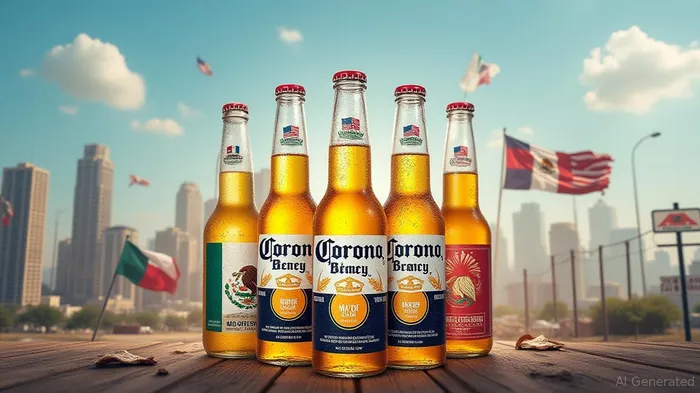
1. Tariff Risks: A Brewing Crisis for Mexican Beer Imports
Constellation's dominance in the U.S. Mexican beer market (82.5% share) now faces existential threats from U.S. tariffs. The April 2025 imposition of a 25% tariff on non-Originating Mexican goods under the USMCA has directly impacted aluminum cans—a critical component for its canned beer exports. While STZ's products qualify for duty-free treatment if they meet USMCA's regional value content (RVC) rules, compliance remains complex. For instance, 40% of its beer sales derive from canned products, and misclassification risks could trigger costly penalties.
The company's plan to achieve $200 million in annual cost savings by 2028—through restructuring and potential wine brand divestitures—may not offset margin pressures. shows a steady decline, from 33% in 2020 to an estimated 28% in 2025, as tariff costs and inventory destocking bite. With a 50% tariff hike now proposed for steel and aluminum, the financial strain could accelerate.
2. Shifting Consumer Preferences: GLP-1 Drugs and Cannabis Undermine Demand
STZ's beer division, which accounts for 84% of earnings, is grappling with a perfect storm of health trends and cultural shifts. GLP-1 weight-loss drugs, such as Wegovy and Ozempic, are reducing alcohol consumption by suppressing appetite and cravings. Meanwhile, cannabis legalization and health-conscious lifestyles are diverting younger demographics away from alcohol.
This is compounded by immigration-related anxieties among Hispanic consumers—a core STZSTZ-- customer base—whose spending has slowed due to rising unemployment and fears of deportation crackdowns. reveals a clear inverse correlation, with sales growth dipping to 5.5% in 2025 from 7% in 2024 as unemployment rose.
3. Historical Performance: A Recipe for Post-Earnings Volatility
STZ's stock has a notorious pattern of underperforming following earnings releases. Over the past five years, the stock dropped by an average of 60% in the days after earnings, as investors penalized the company for missed forecasts or strategic missteps. The most recent Q1 2025 results exemplify this: STZ's adjusted EBITDA plunged to -$32.6 million, and its free cash flow guidance was slashed to $1.4-$1.5 billion—a 20% drop from 2024.
shows consistent volatility, with the stock often trading 10-15% lower within a week of earnings. This pattern suggests the July 2 report could trigger another sharp selloff, especially if the company reaffirms its 4-6% revenue growth forecast—a figure already below Wall Street's expectations.
Investment Implications: Short STZ or Sit on the Sidelines
The combination of tariff risks, declining beer sales, and poor post-earnings performance makes STZ a high-risk bet. Key red flags include:
- Margin Erosion: The $1.5-$2.5 billion goodwill impairment charge for its struggling wine division underscores structural weaknesses.
- Cramer's Bearish Call: Jim Cramer has labeled STZ a “sell,” citing its 2-3% revenue growth stagnation and the lack of urgency from management to innovate.
- Valuation Risks: STZ's forward P/E of 11.7 is below its 5-year average of 18, but the stock's 38% underperformance versus the S&P 500 in 2025 suggests further downside.
Recommendation: Avoid initiating long positions in STZ ahead of its July 2 earnings. Short sellers could profit from the historical post-earnings volatility, while cautious investors should wait for clarity on tariff exemptions and consumer demand recovery.
In a sector where LVMH's wine and spirits sales fell 36% in early 2025, STZ's reliance on a shrinking beer market and tariff-exposed supply chains makes it a cautionary tale for beverage alcohol investors. The path to stabilization—whether through cost cuts, brand divestitures, or tariff negotiations—remains unclear, leaving shareholders in uncharted territory.





Comentarios
Aún no hay comentarios