
U.S. Considers Adjusting Port Fee Plan for Chinese Vessels After Pushback
Generado por agente de IAWesley Park
martes, 8 de abril de 2025, 2:03 pm ET2 min de lectura
Ladies and gentlemen, buckleBKE-- up! The U.S. is considering a major pivot on its proposed port fees for Chinese vessels. This is a game-changer, folks, and you need to be ready for the fallout. Let’s dive in!
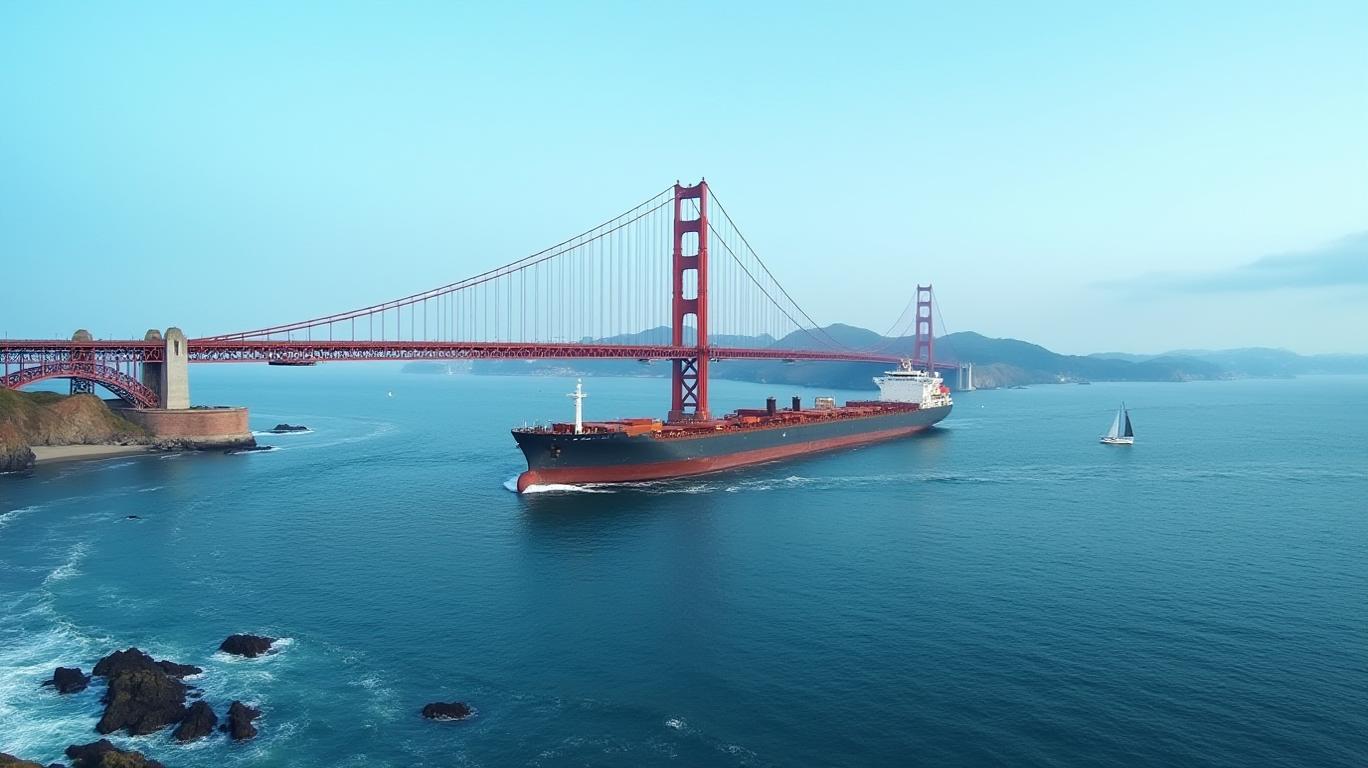
The U.S. Trade Representative (USTR) has been under fire for its proposal to slap hefty fees on Chinese-built or operated vessels entering U.S. ports. The initial plan was to charge up to $1.5 million per entry, a move aimed at curbing China’s maritime dominance and boosting domestic shipbuilding. But the backlash has been fierce, and now, sources say, the administration is rethinking its strategy.
Why the Pushback?
The proposed fees have sent shockwaves through the shipping industry. Companies like Seaboard Marine, which relies heavily on Chinese-built ships, are screaming bloody murder. They warn that the fees will drive up costs, disrupt supply chains, and ultimately hurt American consumers. And they’re not wrong. The USTR’s own estimates suggest that the fees could add $30 billion annually to U.S. consumer prices. That’s a lot of money, folks!
What’s the Plan Now?
Sources close to the matter reveal that the administration is considering several adjustments to soften the blow. One option is to delay implementation, giving the industry time to adapt. Another is to introduce a tiered fee structure based on the number of Chinese-built ships in a company’s fleet. This would mean lower fees for companies with fewer Chinese ships, easing the burden on smaller operators.
But here’s the kicker: the administration is also mulling a charge based on the tonnage of unloaded vessels rather than a flat fee. This could mean lower fees for smaller ships, potentially saving niche trades like grain transport from being crushed under the weight of these new costs.
The Big Picture
This is more than just a tweak to a policy. It’s a signal that the U.S. is listening to the industry’s concerns. But make no mistake, the stakes are high. China has already threatened retaliation, and the World Trade Organization (WTO) could get involved. This could lead to a full-blown trade war, with both sides digging in their heels and consumers caught in the crossfire.
What Should You Do?
If you’re an investor, this is a time to be cautious. The shipping industry is in for a wild ride, and the outcome is far from certain. But if you’re a consumer, you need to brace yourself for potential price hikes. The USTR’s proposal, even in its adjusted form, could still drive up the cost of goods. So, stock up on essentialsWTRG-- now, because things could get bumpy.
The Bottom Line
The U.S. is considering adjustments to its port fee plan for Chinese vessels, and this could have far-reaching implications. Stay tuned, folks, because this story is far from over. The market hates uncertainty, and right now, there’s plenty of it to go around. But one thing is clear: the U.S. is trying to find a balance between protecting its interests and avoiding a full-blown trade war. It’s a delicate dance, and the world is watching.



Divulgación editorial y transparencia de la IA: Ainvest News utiliza tecnología avanzada de Modelos de Lenguaje Largo (LLM) para sintetizar y analizar datos de mercado en tiempo real. Para garantizar los más altos estándares de integridad, cada artículo se somete a un riguroso proceso de verificación con participación humana.
Mientras la IA asiste en el procesamiento de datos y la redacción inicial, un miembro editorial profesional de Ainvest revisa, verifica y aprueba de forma independiente todo el contenido para garantizar su precisión y cumplimiento con los estándares editoriales de Ainvest Fintech Inc. Esta supervisión humana está diseñada para mitigar las alucinaciones de la IA y garantizar el contexto financiero.
Advertencia sobre inversiones: Este contenido se proporciona únicamente con fines informativos y no constituye asesoramiento profesional de inversión, legal o financiero. Los mercados conllevan riesgos inherentes. Se recomienda a los usuarios que realicen una investigación independiente o consulten a un asesor financiero certificado antes de tomar cualquier decisión. Ainvest Fintech Inc. se exime de toda responsabilidad por las acciones tomadas con base en esta información. ¿Encontró un error? Reportar un problema




Comentarios
Aún no hay comentarios