
ConocoPhillips' 2029 Free Cash Flow Inflection Point: Is the Willow Project a Strategic Bet or a Costly Gamble?
The Willow Project: A High-Stakes Bet Amid Inflationary Pressures
The Willow Project, a cornerstone of ConocoPhillips' growth strategy, has seen its budget swell due to general inflation and localized cost surges on Alaska's North Slope. As of November 2025, , up from earlier estimates, , according to a TechCrunch report. This escalation reflects broader industry challenges, , as noted in a Seeking Alpha article.
Despite these pressures, ConocoPhillipsCOP-- remains optimistic. , driven by the project's ramp-up, as detailed in the Seeking Alpha article. , according to the Seeking Alpha article. Such a trajectory hinges on timely execution, as delays could erode returns and amplify capital intensity.
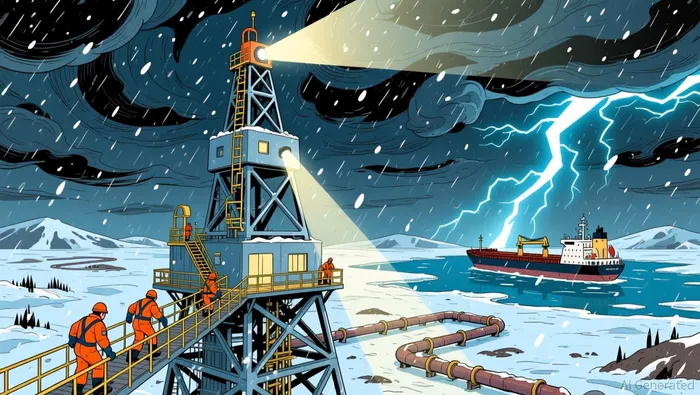
Capital Efficiency and the "Returns-First" Strategy
ConocoPhillips has adopted a "returns-first" approach to balance the Willow Project's demands with capital efficiency. In 2025, , signaling a shift toward disciplined spending, according to a StockTitan report. Preliminary 2026 guidance further underscores this strategy, , as noted in the TechCrunch report.
This focus on efficiency is critical. While the Willow Project's CAPEX is substantial, , according to a GuruFocus analysis. , ConocoPhillips appears positioned to fund the project without over-leveraging, as noted in the TechCrunch report. However, the absence of a detailed debt-equity breakdown for the Willow Project's 2025 phase introduces uncertainty about its long-term capital structure risks.
Dividend Sustainability: Balancing Shareholder Returns and Project Funding
Dividend sustainability remains a key concern for investors. , , according to a StockTitan report. , as reported in a MarketBeat filing, indicates a healthy balance between rewarding shareholders and retaining earnings for growth.
Yet, the company's ability to maintain this trajectory depends on the Willow Project's success. , . Conversely, cost overruns or production delays could force a reassessment of payout ratios, particularly if inflationary pressures persist.
Risks and Mitigation Strategies
The primary risks to ConocoPhillips' strategy include:
1. Inflationary Escalation: Continued cost surges in labor, materials, or logistics could further inflate the Willow Project's budget.
2. Execution Risks: Delays in achieving first oil (currently slated for early 2029) could delay FCF generation and strain capital.
3. Debt Management: While the company's current leverage is low, a lack of transparency in Willow's debt-equity allocation raises questions about future borrowing needs, as noted in the TechCrunch report.
To mitigate these risks, ConocoPhillips has prioritized cost reductions elsewhere in its portfolio. For example, , , as noted in the StockTitan report. Additionally, , as noted in the TechCrunch report.
Conclusion: A Calculated Gamble with High Rewards
ConocoPhillips' Willow Project is neither a reckless gamble nor a guaranteed success-it is a calculated bet on long-term value creation. , . By adopting a "returns-first" strategy, maintaining a conservative debt structure, and prioritizing capital efficiency, ConocoPhillips has positioned itself to navigate these challenges.
However, investors must remain vigilant. The difference between a strategic win and a costly misstep will hinge on execution discipline, inflationary trends, and the company's ability to balance growth with shareholder returns. For now, the Willow Project remains a defining test of ConocoPhillips' resilience in an unpredictable energy landscape.





Comentarios
Aún no hay comentarios