
Congo-Rwanda Peace Deal: A Mineral-Fueled Gamble in Africa's Heart
The 2025 U.S.-brokered peace agreement between the Democratic Republic of Congo (DRC) and Rwanda has ignited speculation about a seismic shift in Central Africa’s geopolitical and economic landscape. For decades, the region has been a battleground for rebels, rival nations, and global mining giants. Now, with billions in American investment on the table and control over critical minerals like cobalt and lithium at stake, the deal represents both an opportunity for stabilization and a high-risk experiment in transactional diplomacy.
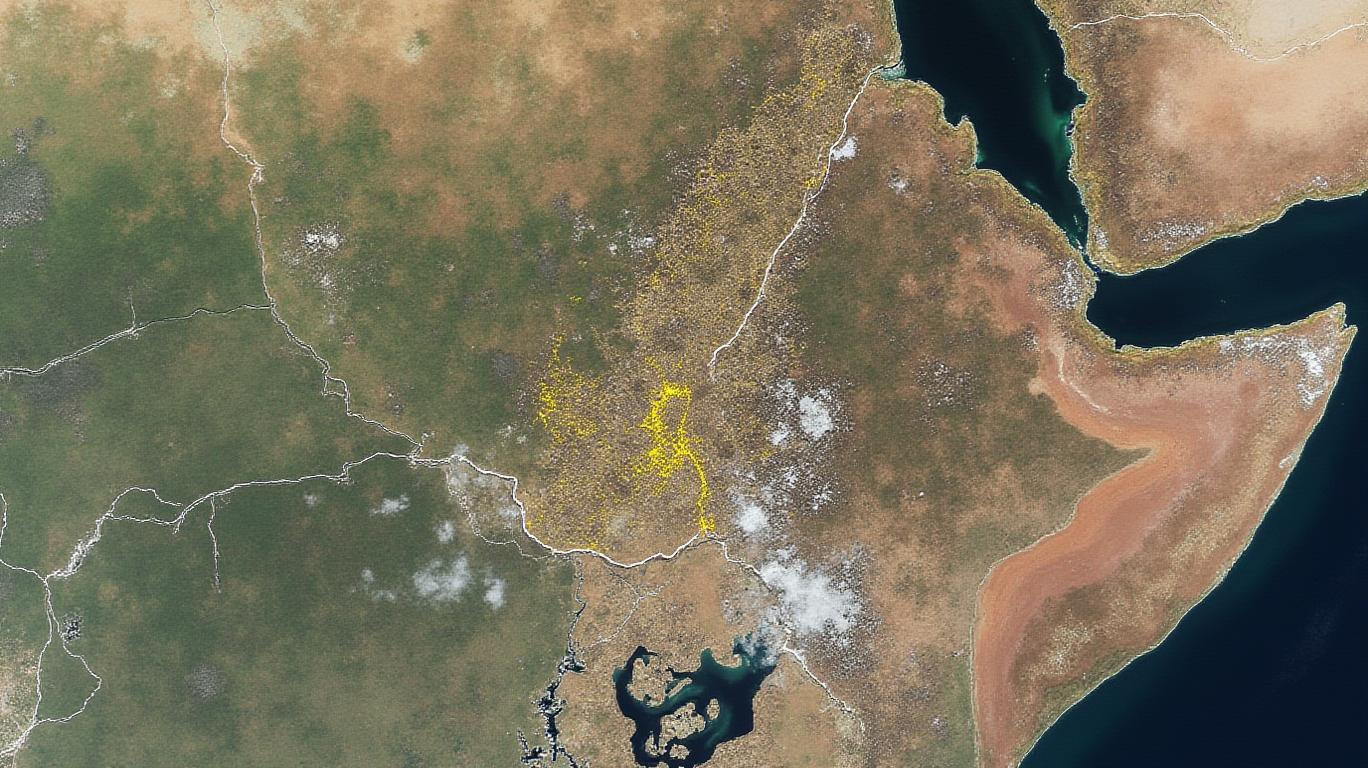
Geopolitical Stakes: The U.S. vs. China in the Congo Basin
At its core, the deal is a proxy war for influence over Africa’s resource wealth. The DRC holds an estimated 70% of the world’s cobalt reserves and significant deposits of lithium, copper, gold, and tantalum—metals indispensable for electric vehicles, smartphones, and renewable energy systems. For years, Chinese firms have dominated these sectors, but the U.S. is now aggressively seeking to disrupt that balance.
The agreement mandates Congo to grant Washington privileged access to its minerals in exchange for security support. This aligns with the Trump administration’s “transactional” foreign policy, which prioritizes supply chain resilience over long-term governance reforms. Meanwhile, Rwanda’s pledge to withdraw support for rebels like the M23—long accused of destabilizing the region—could open doors for U.S. firms to bypass Chinese-controlled markets.
Economic Potential: From Conflict Minerals to Value Chains
Proponents argue the deal could transform the DRC’s economy. U.S. investment could fund infrastructure projects—roads, railways, and mines—while creating jobs and reducing reliance on illegal mineral trafficking. Rwanda, too, stands to benefit from regional trade integration. The agreement’s emphasis on “regional economic value chains” hints at a vision where Congolese cobalt fuels American EV batteries, while Rwandan labor and expertise fill supply gaps.
However, the scale of ambition is staggering. The DRC’s GDP per capita remains just $460, and its mineral sector is riddled with corruption. Over $1 trillion in mineral wealth has vanished due to graft since independence, according to the African Development Bank. For the U.S. plan to succeed, transparency mechanisms must override historical patterns of theft.
Risks: A History of Broken Promises
Skepticism is justified. The U.S. has brokered similar deals before—none have ended the violence. Over 7 million people remain displaced in eastern Congo, and armed groups still control key mining areas. Even if the M23 rebels are disarmed, over 40 other militias operate in the region.
The humanitarian toll underscores the stakes. Since the 1990s, over 6 million Congolese have died from conflict-related causes, many linked to resource struggles. A U.S. military entanglement—a possibility if security collapses—could further inflame tensions.
The U.S. Playbook: Supply Chains Over Stability?
Critics argue the deal prioritizes American economic interests over Congolese stability. By focusing on minerals, the U.S. sidesteps the root causes of conflict: ethnic divisions, land disputes, and weak governance. The Congolese government’s track record is abysmal; President Felix Tshisekedi’s 2018 election was marred by allegations of fraud and repression.
Yet, the U.S. approach has a logic: $billions in EV and tech investments depend on reliable cobalt supplies. China’s dominance in Congo’s mining sector—its firms control 80% of cobalt production—threatens American supply chains. The DRC’s cobalt exports alone were worth $2.3 billion in 2023, a figure set to grow as EV demand surges.
Conclusion: A High-Reward, High-Risk Bet
The Congo-Rwanda deal is a pivot point. If successfully implemented, it could:
- Boost U.S. cobalt supply: Congo’s reserves could meet global EV demand for decades.
- Reduce Chinese leverage: Undermining Beijing’s control over critical minerals would reshape global trade dynamics.
- Stabilize a war-torn region: Joint security measures and economic integration might finally drain the swamp of violence.
But the risks are existential. Corruption could siphon investment, while militias could resume fighting. Historical precedents suggest failure is probable—87% of African peace deals collapse within five years, per the Stockholm International Peace Research Institute.
Investors should tread cautiously. Monitor two key metrics:
1. Security improvements: Track U.S. military aid to Congo (e.g., drone surveillance, training) and whether M23 disarmament holds.
2. Transparency in mining deals: Watch for Congolese government contracts with U.S. firms and any red flags of corruption.
The DRC’s mineral wealth is a goldmine—or a landmine. For now, the U.S. is gambling both.







Comentarios
Aún no hay comentarios