
Congo's Gold Mining Expansion Amid Rising Prices: Strategic Investment in Junior Firms Poised for Growth
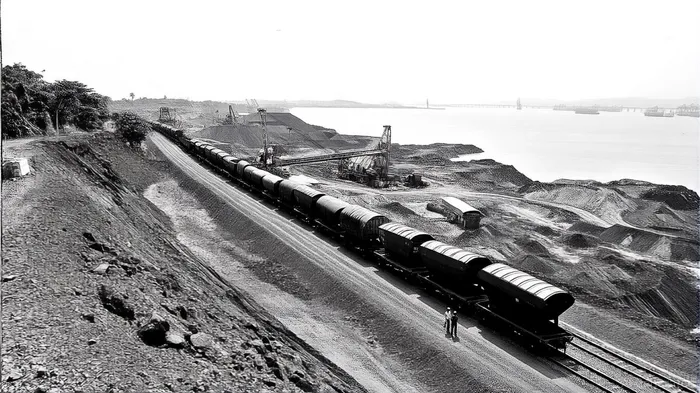
The Democratic Republic of the Congo (DRC) is emerging as a powerhouse in the global gold market, with its gold sector projected to grow by 10% in 2025[1]. This surge is fueled by a perfect storm of regulatory reforms, infrastructure breakthroughs, and rising global demand for gold, particularly in the renewable energy and electronics sectors. For investors, the DRC's evolving landscape offers a unique opportunity to capitalize on junior mining firms that are strategically positioned to benefit from these transformative changes.
Regulatory Reforms: A New Era of Transparency and Control
The DRC's 2025 regulatory reforms are reshaping the mining sector to prioritize sustainability, local economic integration, and government oversight. Key changes include:
- Increased royalties on strategic minerals like gold, with rates now ranging from 3.5% to 5%[2], depending on market conditions.
- Mandatory local ownership requirements, stipulating that mining subcontractors must be at least 51% Congolese-owned[3], ensuring that economic benefits flow to domestic stakeholders.
- Adoption of international standards such as the Copper Mark and the Initiative for Responsible Mining Assurance (IRMA), which align DRC operations with global sustainability benchmarks[4].
These reforms, while adding complexity for foreign investors, create a more stable and transparent environment. As noted by a report from Discovery Alert, the DRC's government is “assertively capturing a fairer share of mineral wealth while promoting responsible practices”[4]. For junior firms, compliance with these standards is not just a regulatory hurdle but a competitive advantage, enabling access to ethically conscious supply chains and global markets.
Infrastructure Breakthroughs: The Lobito Corridor and Beyond
Infrastructure has long been a bottleneck for DRC's mining sector, but 2025 marks a turning point. The Lobito Corridor, a $10 billion trans-African railway project connecting the DRC's mineral-rich provinces to Angola's Atlantic port of Lobito, is a game-changer[5]. This corridor reduces transportation times for gold and copper from 25 days via traditional routes to just 8 days by rail[5], slashing costs and improving export efficiency.
Complementing this, the Inga 3 Hydroelectric Project and the Busanga Hydroelectric Plant are addressing the DRC's chronic energy shortages, providing reliable, low-cost power to mining operations[4]. According to Farmonaut, these energy projects are “positioning the DRC to support long-term mining operations while aligning with global energy transition goals”[4]. For junior firms, reduced energy costs and improved logistics mean the difference between marginal viability and profitability.
Junior Firms in the Spotlight: Who's Leading the Charge?
Several junior mining firms are already leveraging these reforms and infrastructure gains to scale operations:
1. Elemental Altus Royalties: This firm is acquiring producing royalties and discovery-stage assets in the DRC, focusing on gold projects in Haut-Katanga and Lualaba provinces[6]. Its strategy aligns with the Lobito Corridor's expansion, as improved rail access opens previously isolated deposits.
2. Misisi Gold Project: Recent advancements in this project highlight the sector's momentum, with infrastructure upgrades and local procurement mandates driving operational efficiency[7].
3. Junior firms adopting IRMA standards: Companies like Aurum Gold and Kivu Gold are proactively aligning with international sustainability frameworks, enhancing their appeal to ESG-focused investors[4].
These firms exemplify the agility of junior players in navigating the DRC's complex landscape. As JDSupra notes, the revised Mining Code's 5-year stability clause for foreign investors “creates a dynamic environment where nimble firms can outpace larger, more bureaucratic competitors”[2].
Risks and Mitigation: Navigating Challenges
While the DRC's potential is immense, risks remain. Political instability, artisanal mining (ASM) dominance, and environmental concerns require careful management. For instance, ASM still accounts for 60% of the DRC's gold production[1], often operating outside regulatory frameworks. However, the DRC's new rules separating artisanal and industrial production, coupled with community development funds (0.3% of turnover allocated to local projects[3]), are beginning to address these issues.
Investors should also monitor geopolitical dynamics. The Lobito Corridor, while backed by U.S. and EU investments, has drawn criticism for potential exploitation of local resources[5]. Firms that prioritize partnerships with Congolese civil society and transparent governance—like Elemental Altus—will be better positioned to mitigate reputational and operational risks.
The Bottom Line: A Strategic Buy for 2025
The DRC's gold sector is at an inflection point. Regulatory reforms are fostering transparency, infrastructure projects are unlocking access, and junior firms are capitalizing on both. For investors, the key is to target companies that align with global sustainability standards and infrastructure gains.
As the DRC moves toward economic sovereignty and energy transition leadership, junior mining firms like Elemental Altus and Misisi Gold are not just participants—they're pioneers. For those willing to navigate the risks, the rewards could be as rich as the gold itself.







Comentarios
Aún no hay comentarios