
Commodity Market Rebound Amid U.S.-China Trade Optimism: Investment Implications for Agricultural Futures in a Post-Tariff Era
The U.S.-China trade landscape in 2025 has been marked by a fragile equilibrium, with temporary and shifting market dynamics creating both uncertainty and opportunities for agricultural futures. As the two economic giants navigate a complex web of retaliatory measures and strategic recalibrations, investors and farmers alike are recalibrating their strategies to mitigate risks and capitalize on emerging trends.
and Agricultural Market Volatility
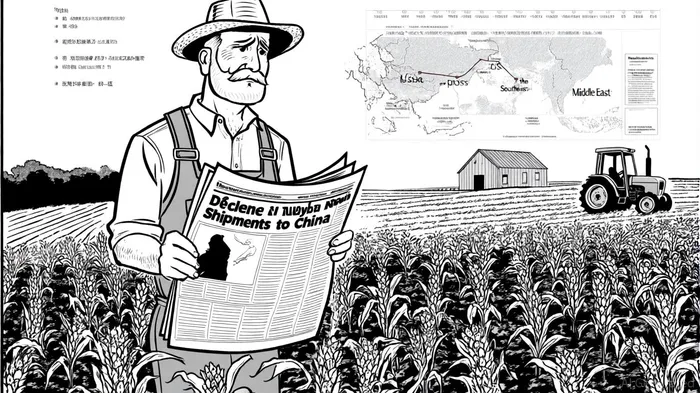
The U.S. agricultural sector has borne the brunt of escalating trade tensions, particularly in soybean and grain exports. U.S. a FarmProgress article citing USDA data. This decline is attributed to China's imposition of 10–15% tariffs on U.S. soybeans, corn, and other commodities, which have made American products less competitive in the Chinese market, as noted in the AgAmerica outlook.
The ripple effects of these tariffs extend beyond direct exports. , exacerbating downward pressure on grain prices. By April 2025, corn, soybean, , according to an AcreHedge update. This combination of reduced demand and higher costs has created a challenging environment for U.S. farmers, , according to a Forbes analysis.
and the Search for New Opportunities
While China's reduced appetite for U.S. agricultural goods has been a significant headwind, alternative markets have partially offset these losses. Total U.S. , driven by increased sales to Mexico, Egypt, and the Netherlands, according to the FarmProgress piece. However, the sustainability of these markets remains uncertain, as they may have front-loaded purchases in anticipation of further tariff volatility.
, which could stabilize global inventories and provide a modest reprieve for U.S. exporters, the FarmProgress report notes. Yet, competition from Brazil and Argentina-now dominant in China's soybean imports-remains a critical challenge. For investors, this underscores the importance of diversifying portfolios beyond traditional markets. Emerging opportunities in Southeast Asia and the Middle East, where demand for U.S. wheat and dairy products is growing, offer potential avenues for growth, as other analysts have observed.
and Investor Sentiment
The agricultural futures market has mirrored the uncertainty in trade relations. , citing upward adjustments in export forecasts, per AgAmerica. However, the broader outlook remains constrained by a strong U.S. dollar, high production costs, and retaliatory tariffs. For instance, , AgAmerica reports.
Investor sentiment has turned cautious, , driven by improved crop and livestock prices, according to AgAmerica. However, this optimism is tempered by concerns over trade policy shifts and input costs. The temporary reduction of U.S.-China tariffs from 125% to 10% in early 2025 provided short-term relief, but the long-term stability of these reductions remains unclear, as the Forbes analysis cautioned.
Considerations
For investors, the post-tariff era demands a nuanced approach. Diversification across crop types and geographic markets is critical. Permanent crops like tree nuts and citrus, which have shown greater stability due to inelastic demand and diversified markets, present lower-risk opportunities compared to row crops like corn and soybeans, a Forbes analysis argued. FarmlandFPI-- investment also remains historically resilient, , including during major stress events like the 2008 financial crisis, per the same Forbes overview.
Cost management and supply chain resilience are equally vital. Rising input costs from tariffs on fertilizers and machinery have strained farm margins, prompting producers to explore bulk purchasing, localized sourcing, and strategic supplier partnerships, as discussed in the Forbes piece. Additionally, innovation in specialty crops-such as extended growing seasons for table grapes and blueberries-can differentiate U.S. products in a competitive global market.
Conclusion
The U.S.-China trade dynamic in 2025 has created a volatile but not insurmountable landscape for agricultural futures. While retaliatory tariffs and shifting market preferences have disrupted traditional export channels, strategic diversification, cost optimization, and innovation offer pathways to resilience. For investors, the key lies in balancing short-term volatility with long-term fundamentals, leveraging the inherent strengths of U.S. agriculture while navigating the uncertainties of a rapidly evolving global trade environment.





Comentarios
Aún no hay comentarios