
Commercial Real Estate: More Than Empty Office Buildings
Generado por agente de IAEli Grant
viernes, 13 de diciembre de 2024, 5:19 am ET1 min de lectura
BOOM--
Commercial real estate (CRE) is often associated with empty office buildings, but this perception overlooks the diverse and dynamic nature of the industry. As the world evolves, so does the demand for various types of commercial properties, creating opportunities for investors and developers alike. This article explores the multifaceted nature of commercial real estate, focusing on trends, investment appetites, and the role of technology in shaping the industry's future.

1. Beyond Offices: The Industrial and Logistics Boom
Industrial and logistics space has emerged as a key driver of CRE growth. E-commerce giants and third-party logistics companies are fueling demand for modern, high-quality facilities equipped to handle automation and technology. According to Deloitte, newer industrial spaces with robust electrical systems, higher ceilings, and thicker floors are in high demand. This trend has led to a bifurcated market, with newer, more modern spaces outperforming older properties in need of renovation or conversion.
2. Retail's Rapid Churn and Lodging's Class-Based Performance
The retail sector is experiencing rapid churn, with companies either excelling and expanding or struggling to adapt to changing consumer tastes and multiple sales channels. Meanwhile, the lodging sector's performance varies by class, with luxury and full-service hotels catering to businesses performing better than economy options catering to leisure travelers.
3. Data Centers: A New Asset Class
The rapid rise of demand for data centers has created a new asset class expected to expand dramatically in the years ahead. However, limited power and water resources may stymie growth in this sector.
4. Government Incentives and Regulations: Driving Renovation and Conversion
Government incentives and regulations play a significant role in encouraging the renovation or conversion of older industrial properties. Tax incentives, such as the U.S. federal government's Historic Tax Credit, and regulations like the Energy Policy Act of 2005 offer financial benefits and deductions for energy-efficient improvements, further incentivizing renovations. Zoning regulations and land-use policies can also facilitate conversions by allowing mixed-use developments or reclassifying industrial zones to accommodate residential or commercial uses.
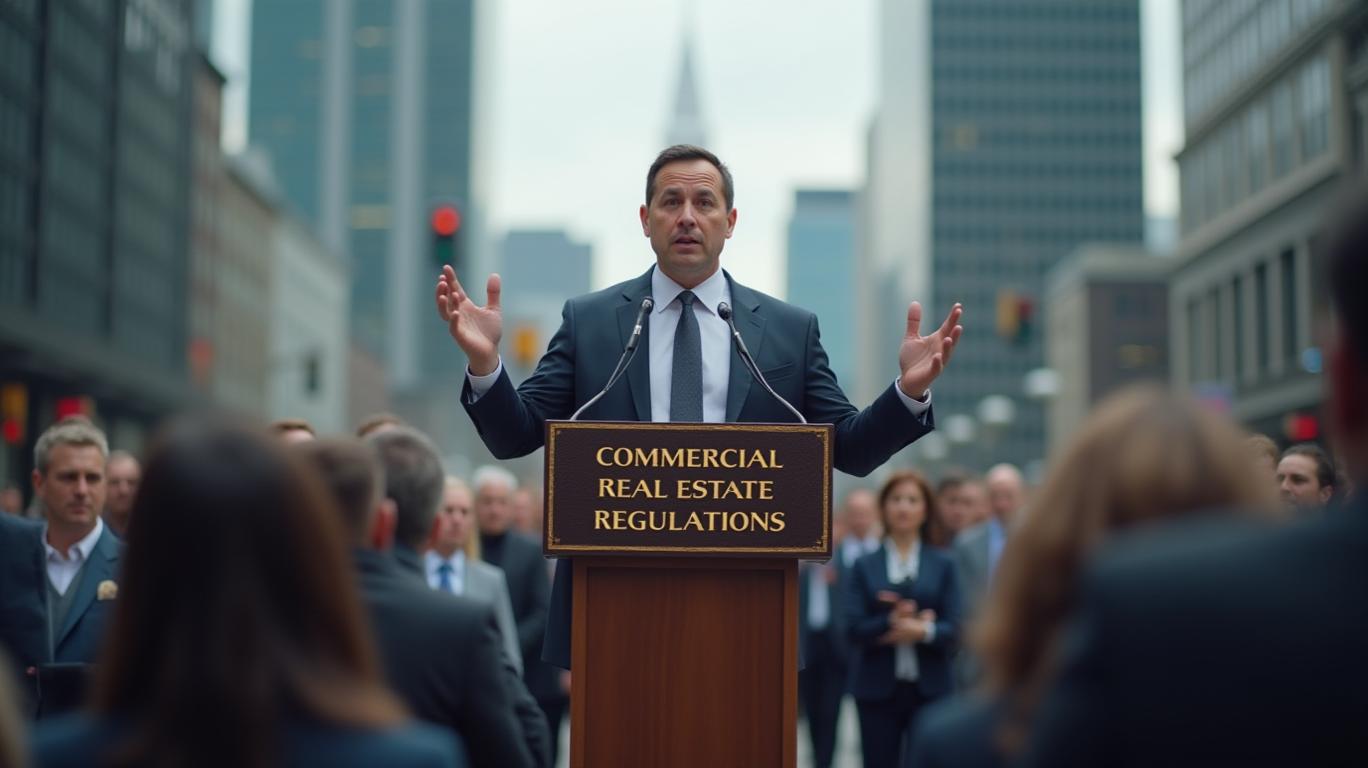
In conclusion, commercial real estate is more than just empty office buildings. The industry's diverse landscape, driven by trends in industrial and logistics, retail, lodging, and data centers, presents numerous opportunities for investors and developers. As technology continues to shape the industry's future, understanding the nuances of each property type and the role of government incentives and regulations will be crucial for capitalizing on opportunities and mitigating risks in the CRE market.
GWRS--
ILPT--
Commercial real estate (CRE) is often associated with empty office buildings, but this perception overlooks the diverse and dynamic nature of the industry. As the world evolves, so does the demand for various types of commercial properties, creating opportunities for investors and developers alike. This article explores the multifaceted nature of commercial real estate, focusing on trends, investment appetites, and the role of technology in shaping the industry's future.
1. Beyond Offices: The Industrial and Logistics Boom
Industrial and logistics space has emerged as a key driver of CRE growth. E-commerce giants and third-party logistics companies are fueling demand for modern, high-quality facilities equipped to handle automation and technology. According to Deloitte, newer industrial spaces with robust electrical systems, higher ceilings, and thicker floors are in high demand. This trend has led to a bifurcated market, with newer, more modern spaces outperforming older properties in need of renovation or conversion.
2. Retail's Rapid Churn and Lodging's Class-Based Performance
The retail sector is experiencing rapid churn, with companies either excelling and expanding or struggling to adapt to changing consumer tastes and multiple sales channels. Meanwhile, the lodging sector's performance varies by class, with luxury and full-service hotels catering to businesses performing better than economy options catering to leisure travelers.
3. Data Centers: A New Asset Class
The rapid rise of demand for data centers has created a new asset class expected to expand dramatically in the years ahead. However, limited power and water resources may stymie growth in this sector.
4. Government Incentives and Regulations: Driving Renovation and Conversion
Government incentives and regulations play a significant role in encouraging the renovation or conversion of older industrial properties. Tax incentives, such as the U.S. federal government's Historic Tax Credit, and regulations like the Energy Policy Act of 2005 offer financial benefits and deductions for energy-efficient improvements, further incentivizing renovations. Zoning regulations and land-use policies can also facilitate conversions by allowing mixed-use developments or reclassifying industrial zones to accommodate residential or commercial uses.
In conclusion, commercial real estate is more than just empty office buildings. The industry's diverse landscape, driven by trends in industrial and logistics, retail, lodging, and data centers, presents numerous opportunities for investors and developers. As technology continues to shape the industry's future, understanding the nuances of each property type and the role of government incentives and regulations will be crucial for capitalizing on opportunities and mitigating risks in the CRE market.

Divulgación editorial y transparencia de la IA: Ainvest News utiliza tecnología avanzada de Modelos de Lenguaje Largo (LLM) para sintetizar y analizar datos de mercado en tiempo real. Para garantizar los más altos estándares de integridad, cada artículo se somete a un riguroso proceso de verificación con participación humana.
Mientras la IA asiste en el procesamiento de datos y la redacción inicial, un miembro editorial profesional de Ainvest revisa, verifica y aprueba de forma independiente todo el contenido para garantizar su precisión y cumplimiento con los estándares editoriales de Ainvest Fintech Inc. Esta supervisión humana está diseñada para mitigar las alucinaciones de la IA y garantizar el contexto financiero.
Advertencia sobre inversiones: Este contenido se proporciona únicamente con fines informativos y no constituye asesoramiento profesional de inversión, legal o financiero. Los mercados conllevan riesgos inherentes. Se recomienda a los usuarios que realicen una investigación independiente o consulten a un asesor financiero certificado antes de tomar cualquier decisión. Ainvest Fintech Inc. se exime de toda responsabilidad por las acciones tomadas con base en esta información. ¿Encontró un error? Reportar un problema


SOBRE NOSOTROS
Nuestra historiaAutores de noticiasBase de conocimientosPolítica de privacidadTérmino de usoDescargo de responsabilidad de corretaje de tercerosTérminos de uso de AIMEDivulgaciones de riesgos de AInvest AICarrerasCONTÁCTENOS
Email: support@ainvest.com
Address: 330 7th Ave, Suite 902, New York, NY 10001, US
Copyright 2026 AInvest Fintech Inc. All rights reserved.


Comentarios
Aún no hay comentarios