
Comcast Shifts Strategy to Mobile as Fourth-Quarter Broadband Numbers Disappoint
Generado por agente de IAClyde Morgan
jueves, 30 de enero de 2025, 9:57 am ET2 min de lectura
CMCSA--
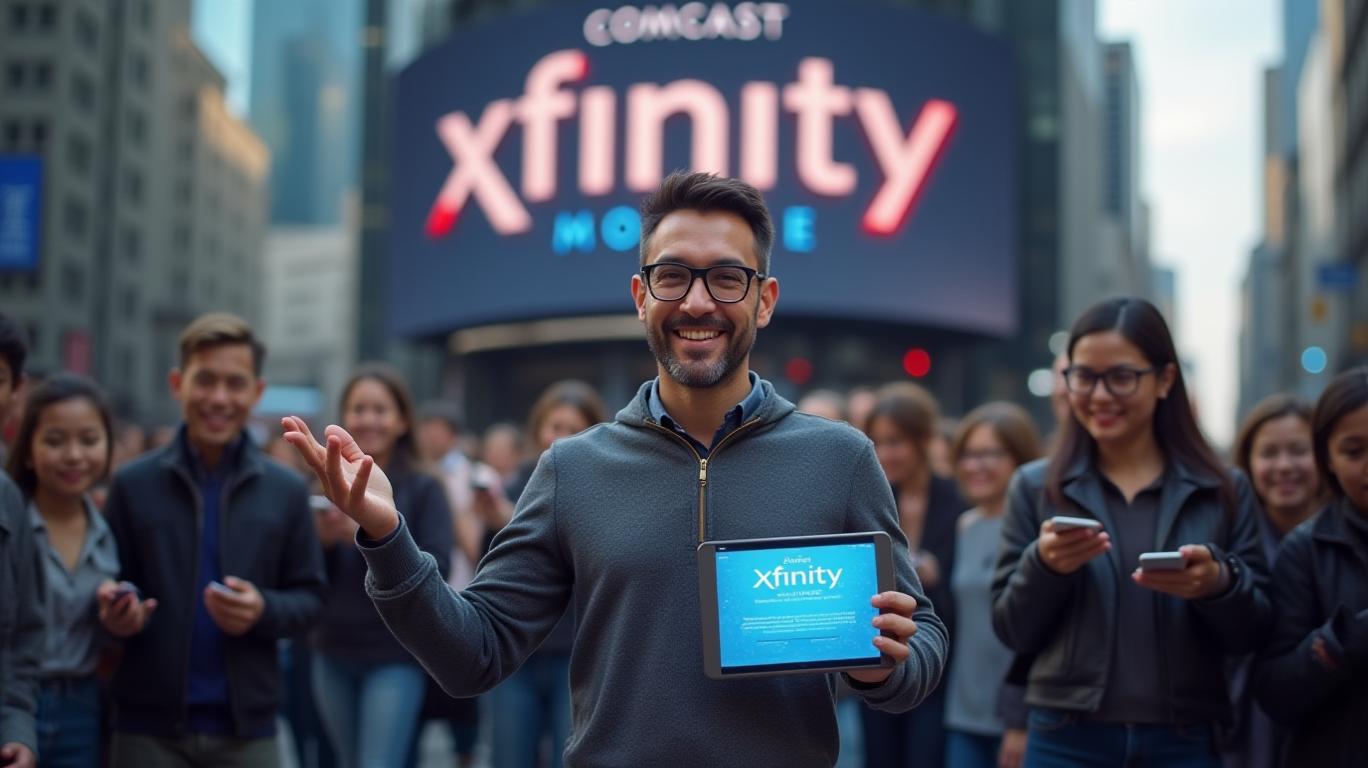
Comcast Corporation (NASDAQ: CMCSA), the largest cable operator in the United States, is shifting its strategic focus towards mobile services as its fourth-quarter broadband subscriber numbers fell short of expectations. The company, which launched its wireless service Xfinity Mobile in 2017, is now looking to leverage its wireless offerings to drive growth and maintain market share in the face of increased competition from other providers.
Comcast's broadband subscriber numbers have been declining for several quarters, with the company losing 65,000 broadband subscribers in the first quarter of 2024. This trend has continued into the second quarter, with Comcast reporting a loss of 34,000 broadband subscribers in the quarter. The company's broadband revenue, however, has remained relatively stable, with a nearly 4% increase in the second quarter compared to the same period last year.
Comcast's shift towards mobile services is a strategic response to the competitive landscape in the broadband market. The company is leveraging its wireless offerings to provide customers with a seamless and integrated connectivity experience, bundling mobile services with its broadband offerings to attract new customers and retain existing ones. By offering a high-quality wireless service at a competitive price, Comcast can differentiate itself from other providers and maintain market share in the face of increased competition.
One key synergy that Comcast can leverage to improve customer retention and growth is the convergence of wireless and broadband services. With 90% of Xfinity Mobile smartphone traffic traveling over Comcast's WiFi network, the company can host most of its customers' mobile data traffic on its own WiFi network, creating significant savings and enabling it to offer competitive pricing. This allows Comcast to provide customers with a more affordable and convenient mobile service while also improving its own economics.
Additionally, Comcast's acquisition of wireless spectrum in the CBRS and 600 MHz bands has allowed the company to deploy its own 5G network in dense, high-traffic areas, further enhancing its wireless offerings and providing customers with improved connectivity and speeds. By selectively deploying its own 5G radios in markets where it serves customers, Comcast can efficiently deliver new 5G services that both improve its customers' experience and lower its overall service costs.
Comcast's strategy of offering a "buy one, get one" promotion for mobile services has proven to be effective in driving growth in both residential and small business segments. By providing customers with incentives to bundle mobile services with their broadband offerings, Comcast can increase customer retention and attract new customers to its wireless offerings.

In conclusion, Comcast's shift towards mobile services is a strategic response to the competitive landscape in the broadband market. By leveraging synergies such as the convergence of wireless and broadband services, the deployment of 5G networks, and bundling promotions, Comcast can differentiate its services, maintain market share, and remain competitive in the face of increased competition from other providers. As the company continues to invest in its wireless offerings and expand its mobile customer base, it is well-positioned to capitalize on the growing demand for mobile services and drive long-term growth.
Comcast Corporation (NASDAQ: CMCSA), the largest cable operator in the United States, is shifting its strategic focus towards mobile services as its fourth-quarter broadband subscriber numbers fell short of expectations. The company, which launched its wireless service Xfinity Mobile in 2017, is now looking to leverage its wireless offerings to drive growth and maintain market share in the face of increased competition from other providers.
Comcast's broadband subscriber numbers have been declining for several quarters, with the company losing 65,000 broadband subscribers in the first quarter of 2024. This trend has continued into the second quarter, with Comcast reporting a loss of 34,000 broadband subscribers in the quarter. The company's broadband revenue, however, has remained relatively stable, with a nearly 4% increase in the second quarter compared to the same period last year.
Comcast's shift towards mobile services is a strategic response to the competitive landscape in the broadband market. The company is leveraging its wireless offerings to provide customers with a seamless and integrated connectivity experience, bundling mobile services with its broadband offerings to attract new customers and retain existing ones. By offering a high-quality wireless service at a competitive price, Comcast can differentiate itself from other providers and maintain market share in the face of increased competition.
One key synergy that Comcast can leverage to improve customer retention and growth is the convergence of wireless and broadband services. With 90% of Xfinity Mobile smartphone traffic traveling over Comcast's WiFi network, the company can host most of its customers' mobile data traffic on its own WiFi network, creating significant savings and enabling it to offer competitive pricing. This allows Comcast to provide customers with a more affordable and convenient mobile service while also improving its own economics.
Additionally, Comcast's acquisition of wireless spectrum in the CBRS and 600 MHz bands has allowed the company to deploy its own 5G network in dense, high-traffic areas, further enhancing its wireless offerings and providing customers with improved connectivity and speeds. By selectively deploying its own 5G radios in markets where it serves customers, Comcast can efficiently deliver new 5G services that both improve its customers' experience and lower its overall service costs.
Comcast's strategy of offering a "buy one, get one" promotion for mobile services has proven to be effective in driving growth in both residential and small business segments. By providing customers with incentives to bundle mobile services with their broadband offerings, Comcast can increase customer retention and attract new customers to its wireless offerings.
In conclusion, Comcast's shift towards mobile services is a strategic response to the competitive landscape in the broadband market. By leveraging synergies such as the convergence of wireless and broadband services, the deployment of 5G networks, and bundling promotions, Comcast can differentiate its services, maintain market share, and remain competitive in the face of increased competition from other providers. As the company continues to invest in its wireless offerings and expand its mobile customer base, it is well-positioned to capitalize on the growing demand for mobile services and drive long-term growth.

Divulgación editorial y transparencia de la IA: Ainvest News utiliza tecnología avanzada de Modelos de Lenguaje Largo (LLM) para sintetizar y analizar datos de mercado en tiempo real. Para garantizar los más altos estándares de integridad, cada artículo se somete a un riguroso proceso de verificación con participación humana.
Mientras la IA asiste en el procesamiento de datos y la redacción inicial, un miembro editorial profesional de Ainvest revisa, verifica y aprueba de forma independiente todo el contenido para garantizar su precisión y cumplimiento con los estándares editoriales de Ainvest Fintech Inc. Esta supervisión humana está diseñada para mitigar las alucinaciones de la IA y garantizar el contexto financiero.
Advertencia sobre inversiones: Este contenido se proporciona únicamente con fines informativos y no constituye asesoramiento profesional de inversión, legal o financiero. Los mercados conllevan riesgos inherentes. Se recomienda a los usuarios que realicen una investigación independiente o consulten a un asesor financiero certificado antes de tomar cualquier decisión. Ainvest Fintech Inc. se exime de toda responsabilidad por las acciones tomadas con base en esta información. ¿Encontró un error? Reportar un problema


SOBRE NOSOTROS
Nuestra historiaAutores de noticiasBase de conocimientosPolítica de privacidadTérmino de usoDescargo de responsabilidad de corretaje de tercerosTérminos de uso de AIMEDivulgaciones de riesgos de AInvest AICarrerasCONTÁCTENOS
Email: support@ainvest.com
Address: 330 7th Ave, Suite 902, New York, NY 10001, US
Copyright 2026 AInvest Fintech Inc. All rights reserved.


Comentarios
Aún no hay comentarios