
Columbia River Crossroads: A Gold Mine in Agriculture and Energy?
The Columbia River Basin is at a historic crossroads. A perfect storm of climate pressures, policy reversals, and infrastructure choices has turned this economic powerhouse into a testing ground for resilience—and a potential goldmine for investors. Let's dive into the chaos and find the opportunities.
Agriculture: When Water is Liquid Gold
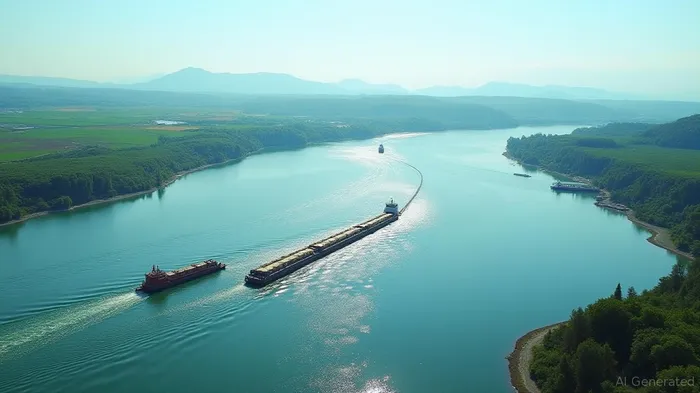
The Columbia River's dams aren't just engineering marvels; they're the lifeblood of one of the world's most productive farming regions. Farmers here grow 30 tons of potatoes per acre, thanks to irrigation systems fed by reservoirs behind the Lower Snake River dams. But here's the catch: reduced snowpack and below-normal runoff (84–88% of average as of May 2025) are already straining water supplies. Add to that the cancellation of the Biden-era Columbia River Basin policy, which had pledged $1 billion for salmon recovery and dam removal—now scrapped to protect shipping and farming infrastructure—and you've got a recipe for volatility.
Investment Play:
Farmers face a choice: adapt or suffer. Companies like John Deere (DE) and Agco (AGCO), which specialize in precision agriculture and drought-resistant irrigation tech, are poised to profit. Meanwhile, commodity prices for wheat and potatoes could surge if yields drop.
Energy: Hydropower's Tightrope Walk
The four Lower Snake River dams generate 3,000 megawatts of hydropower, enough for 2.5 million homes. The Trump administration's decision to cancel the Resilient Columbia Basin Agreement (RCBA) keeps these dams operational—but at a cost. Without the RCBA's $1 billion in salmon recovery funds, the region faces lawsuits and a potential collapse in fish populations.
Here's the twist: hydropower is cheap, but it's not getting cheaper. The Energy Information Administration warns that 2025 hydropower output will be 4% below the 10-year average, even with higher generation than 2024. Meanwhile, energy storage and solar companies like First Solar (FSLR) and Enphase Energy (ENPH) are circling, ready to fill gaps if hydropower falters.
Infrastructure: The Next Gold Rush
The real opportunity? Resilience tech. The Columbia River's stakeholders—from farmers to energy producers—need solutions to navigate climate risks, aging infrastructure, and regulatory uncertainty. Here's where to look:
1. Smart Infrastructure: Companies like General Electric (GE) and Siemens Energy ( Siemens Energy) are retrofitting dams and grids for efficiency.
2. Water Tech: Ecolab (ECL) and Xylem (XYL) offer water recycling and irrigation systems that could turn scarcity into opportunity.
3. Disaster Preparedness: Verisk (VRSK) and Corelogic (CLGX) help businesses quantify risks—and insurers price them.
The Wildcard: Legal Battles and Geopolitics
Tribes and environmental groups aren't going quietly. Lawsuits under the Endangered Species Act could force the government to revisit dam policies—creating sudden opportunities for alternative energy or infrastructure projects. Investors should watch for shifts in litigation timelines and federal budget allocations for resilience projects.
Action Alert: Buy the Dip, but Do Your Homework
- Agri-Tech: DE, AGCOAGCO-- for farming efficiency.
- Hydro Alternatives: FSLR, ENPHENPH-- for energy diversification.
- Infrastructure Titans: GEGE--, XYL for water and grid upgrades.
- Avoid: Companies directly tied to the dams (e.g., hydropower REITs) if ESA litigation heats up.
The Columbia River's disruptions aren't just a regional issue—they're a preview of the climate-driven challenges hitting every supply chain. The winners will be those who invest in adaptation, not nostalgia. This is a buy—not for the faint of heart, but for those ready to seize the chaos.
Stay hungry, stay resilient, and invest in the future—not the past.





Comentarios
Aún no hay comentarios