
Coinbase's Vector.fun Acquisition and Its Implications for Token Holder Value
Governance Dissonance: When Rights Don't Match Assets
Coinbase's acquisition of Vector.fun-a Solana-based DEX aggregator-was framed as a strategic move to enhance onchain trading speed and accessibility. However, the TensorTNSR-- Foundation retained control of the NFT marketplace and the TNSRTNSR-- token, creating a fragmented ownership structure. TNSR holders, who previously derived value from Vector.fun's infrastructure, now hold governance rights over an asset (the NFT marketplace) that no longer anchors the token's utility. This misalignment mirrors broader trends in crypto acquisitions, where token holders are often sidelined despite their governance roles.
The TNSR token's price trajectory further highlights this dissonance. In the 48 hours preceding the acquisition announcement, TNSR surged 11-fold to $0.3650, only to plummet 37.3% in the following 24 hours. This volatility suggests pre-announcement insider activity, leaving retail investors bearing the brunt of the collapse. As Omar Kanji of Dragonfly noted, such patterns undermine trust in governance tokens, as equity holders capture value while token holders face asset stripping without compensation.
This dynamic could push crypto development back toward traditional venture-capital models, where equity holders dominate value capture. If token holders lose faith in governance rights, participation in decentralized protocols may decline, stifling innovation and reinforcing centralization. The TNSR case serves as a cautionary tale: governance tokens must be tied to tangible assets or utilities to retain their value.
A Precedent for Centralization?
Coinbase's approach raises concerns about the long-term viability of decentralized governance models. By absorbing Vector.fun's team and infrastructure, Coinbase effectively centralized control over the DEX's core operations, while the Tensor Foundation's stewardship of the NFT marketplace remains symbolic. Jon Charbonneau of DBA has criticized this as a reputational risk for platforms like Coinbase, which market themselves as compliant and trustworthy yet set precedents that token holders are excluded from value extraction.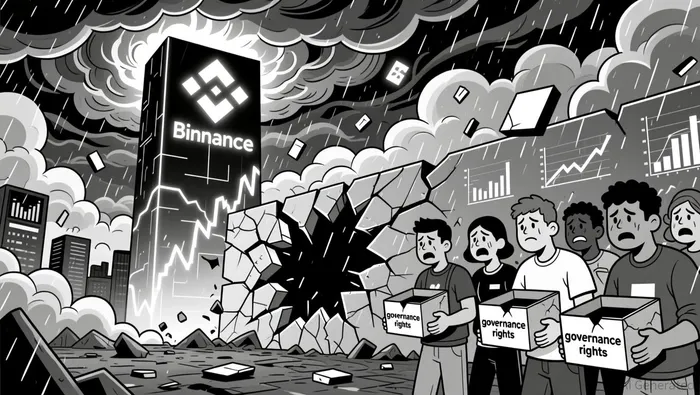
This dynamic could push crypto development back toward traditional venture-capital models, where equity holders dominate value capture. If token holders lose faith in governance rights, participation in decentralized protocols may decline, stifling innovation and reinforcing centralization. The TNSR case serves as a cautionary tale: governance tokens must be tied to tangible assets or utilities to retain their value.
Broader Implications for the Crypto Ecosystem
The Vector.fun acquisition underscores a systemic issue in crypto governance: the lack of alignment between token utility and asset ownership. For token holders to maintain confidence, protocols must ensure that governance rights are meaningfully tied to the assets they oversee. This requires rethinking acquisition strategies to avoid stripping tokens of their foundational value.
Investors should also remain vigilant about pre-announcement price surges, which may signal insider activity. Regulatory scrutiny could intensify if such patterns become normalized, further complicating the already volatile crypto market.
Conclusion
Coinbase's acquisition of Vector.fun is not just a business move-it's a symptom of deeper structural flaws in crypto governance. As the industry matures, resolving this misalignment will be critical to preserving trust in decentralized systems. For now, the TNSR sagaSAGA-- serves as a stark reminder: in crypto, governance without asset ownership is an empty promise.







Comentarios
Aún no hay comentarios