
The Coinbase Data Breach: Systemic Risks in Crypto Infrastructure and Investment Implications
The 2025 CoinbaseCOIN-- data breach, a $400 million wake-up call for the crypto industry, exposed vulnerabilities in outsourced labor and cybersecurity governance that extend far beyond a single platform. By bribing overseas customer support contractors-specifically those working with TaskUs-cybercriminals accessed sensitive user data, including Social Security numbers, government IDs, and transaction histories, to execute social engineering attacks according to a report. This incident, while shocking in its scale, is emblematic of systemic risks in crypto infrastructure, where third-party dependencies and weak internal controls create fertile ground for exploitation. For investors, the breach underscores the urgent need to scrutinize how crypto firms manage vendor relationships and cybersecurity, as these factors now directly influence market confidence and regulatory scrutiny according to analysis.
The Anatomy of the Breach: Third-Party Vulnerabilities and Insider Threats
Coinbase's breach was not the result of a technical flaw in blockchain security but a failure in internal oversight. Cybercriminals exploited the company's reliance on offshore customer support agents, who had access to internal systems according to CM Alliance. According to a report by CM Alliance, the attackers paid these agents to exfiltrate data, which was then used to target victims with phishing scams and ransomware according to the report. The breach highlights a critical blind spot: while crypto firms often tout the immutability of blockchain, their operational infrastructure-particularly outsourced labor-is riddled with human and procedural vulnerabilities as research shows.
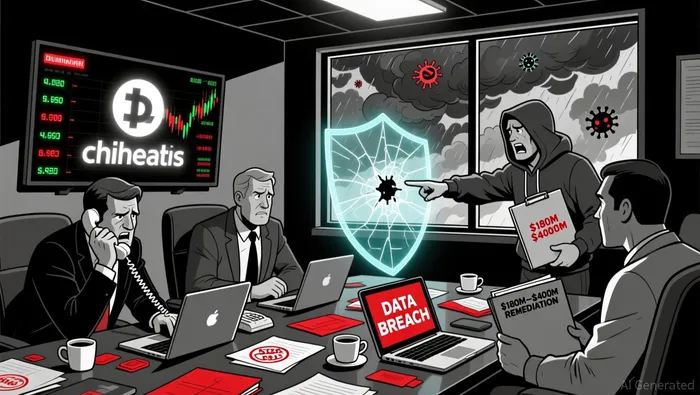
The financial toll was staggering. Coinbase estimated remediation costs between $180 million and $400 million, covering reimbursements, legal fees, and security upgrades. The company's stock price dropped 7% following the announcement, compounding losses from an ongoing SEC investigation into its 2021 IPO user numbers. This market reaction reflects a broader truth: investors are increasingly tying crypto firm valuations to their ability to manage operational risks, especially those involving third-party vendors according to market analysis.
Systemic Risks in Crypto Infrastructure: Beyond Coinbase
The Coinbase breach is not an isolated incident but a symptom of deeper issues in the crypto ecosystem. Regulatory bodies like the European Systemic Risk Board (ESRB) have long warned that stablecoins and multi-function crypto groups (MFGs) pose macroprudential risks due to their cross-border operations and opaque governance as the ESRB has warned. Meanwhile, FINRA's 2026 Annual Regulatory Oversight Report emphasizes the growing vulnerability of firms reliant on third-party vendors, noting a surge in cyberattacks targeting service providers according to the report.
The problem lies in the lack of standardized oversight. While 73% of organizations now use continuous monitoring for vendor security and 67% require certifications like SOC 2 or ISO 27001 according to industry data, crypto firms lag behind traditional finance in implementing these practices. The New York Department of Financial Services (NYDFS) has since issued guidance mandating "continuous oversight" of third-party vendors, including risk-based assessments and robust identity management according to the report. Yet, as the Coinbase case shows, compliance is often reactive rather than proactive.
Investment Implications: Market Reactions and Shifting Allocations
The breach has already begun reshaping investor behavior. Institutional adoption of crypto, which was on track to grow significantly in 2026, has faced headwinds. While 76% of global investors plan to expand digital asset exposure, the Coinbase incident has prompted caution, particularly around platforms with weak third-party risk management according to market data. Major investors are now prioritizing firms with transparent governance and robust cybersecurity frameworks, shifting allocations toward "compliant yield instruments" and tokenized assets according to analysis.
Barclays and Oppenheimer analysts argue the market's reaction to the breach may be overblown, noting that the incident was not a blockchain vulnerability but a failure in internal controls according to analysis. However, this distinction may not matter to retail investors, who are increasingly skeptical of crypto's "Wild West" reputation. The breach also coincided with a $16 million scam targeting Coinbase users, further eroding trust as reported. For now, the incident has accelerated demand for regulatory clarity, with investors favoring platforms that align with emerging compliance standards according to market analysis.
The Path Forward: Strengthening Cybersecurity Governance
For crypto firms to regain investor confidence, they must address three key areas:
1. Third-Party Risk Management: Implement continuous monitoring, mandatory certifications, and strict access controls for vendors according to industry trends.
2. Insider Threat Detection: Enhance employee vetting, logging, and anomaly detection systems to prevent collusion according to the report.
3. Regulatory Alignment: Proactively adopt frameworks like NYDFS and FINRA guidelines to avoid reactive penalties according to the report.
The Coinbase breach serves as a cautionary tale: in an industry where trust is paramount, operational weaknesses can erode value faster than any technical flaw. As the ESRB and FINRA have noted, systemic risks in crypto infrastructure are not hypothetical-they are here, and they demand immediate action as the ESRB has warned.
For investors, the lesson is clear: crypto's future hinges not just on innovation but on the ability of firms to secure their ecosystems. Those that fail to adapt will find themselves left behind in a market increasingly defined by governance, compliance, and resilience.





Comentarios
Aún no hay comentarios