
Coca-Cola's Plastic Pivot: A Tariff-Driven Shift
Generado por agente de IAWesley Park
martes, 11 de febrero de 2025, 10:58 am ET2 min de lectura
CCEP--
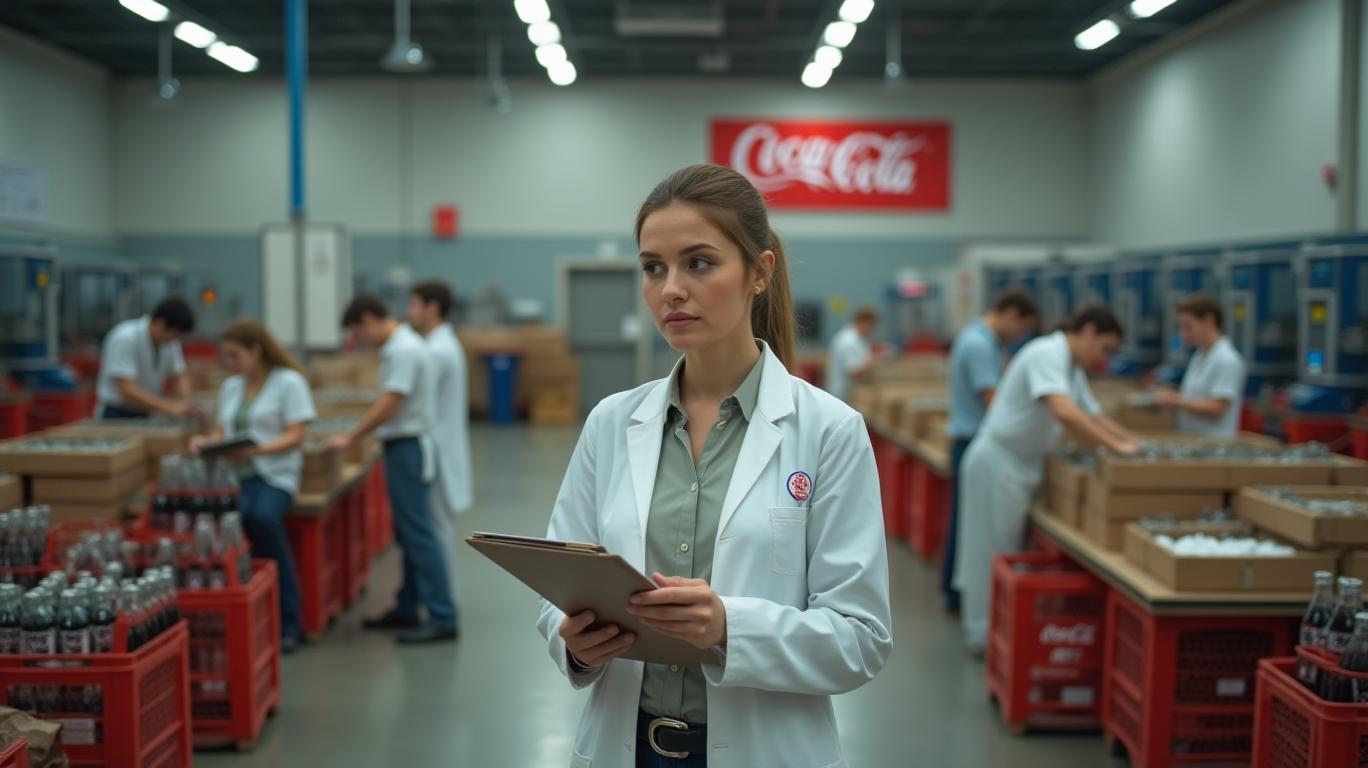
In a move driven by President Trump's tariffs on aluminum imports, Coca-Cola (KO) has announced plans to shift more of its packaging from aluminum to plastic bottles. This strategic shift, while aimed at mitigating the impact of increased production costs, raises concerns about environmental implications and competitive dynamics in the beverage industry.
Short-term gains, long-term concerns
Coca-Cola's decision to prioritize plastic bottles over aluminum cans is a response to the 25% tariff on aluminum imports, which has made aluminum cans more expensive to produce. By shifting to plastic, the company aims to reduce its production costs in the short term. However, this move could have long-term implications for the company's sustainability goals and consumer perception.
In 2023, 47.7% of Coca-Cola's packaging mix was plastic bottles, which is likely to increase with the shift from aluminum cans. This could potentially lead to higher collection and recycling challenges in the long term, as plastic bottles have a lower recycling rate compared to aluminum cans. Additionally, the increased use of plastic bottles may exacerbate concerns about Coca-Cola's single-use plastic usage and its impact on the environment.
Environmental implications
The shift in Coca-Cola's packaging strategy has several environmental implications, particularly in terms of recycling rates and waste management. Aluminum cans are recycled at a higher rate than PET bottles, which are primarily used for soft drinks and water. The increased use of plastic bottles could lead to a decrease in overall recycling rates and contribute to the growing problem of plastic waste and pollution.
Moreover, the shift to plastic bottles could also have implications for waste management infrastructure. Aluminum cans are typically collected and recycled through curbside recycling programs, while plastic bottles may require different collection and processing methods. This could place additional strain on waste management systems, particularly in areas with limited recycling infrastructure.
Competitive dynamics
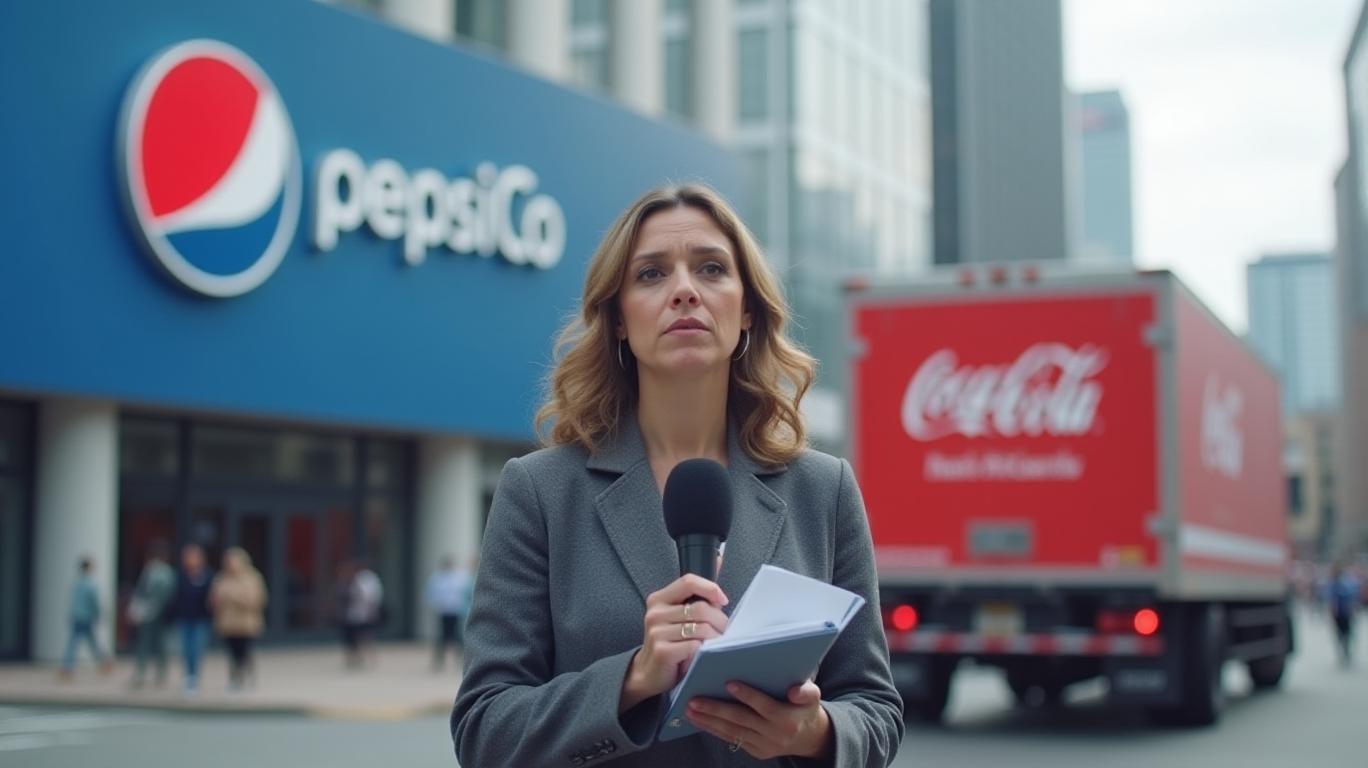
Coca-Cola's change in packaging strategy could have significant implications for its competition with other beverage companies like PepsiCo (PEP). The shift to plastic packaging could potentially change consumer perception, as plastic is generally seen as less environmentally friendly than aluminum. This could lead to a shift in consumer preference towards brands that prioritize sustainability, such as those offered by PepsiCo.
If consumers perceive Coca-Cola's shift to plastic as less sustainable, they might switch to PepsiCo's products, which could lead to a change in market share. According to a 2021 report by Beverage Marketing Corporation, Coca-Cola held a 43.7% share of the U.S. carbonated soft drink market, while PepsiCo had a 31.2% share. A shift in consumer preference could alter these market shares.
In response to Coca-Cola's move, PepsiCo might choose to emphasize its own sustainability efforts or even increase its use of aluminum packaging to differentiate itself and attract eco-conscious consumers. This could further fuel the intense competition between the two beverage giants.
Conclusion
Coca-Cola's decision to shift more of its packaging from aluminum to plastic bottles is a strategic move aimed at mitigating the impact of increased production costs due to President Trump's tariffs on aluminum imports. However, this move raises concerns about environmental implications and competitive dynamics in the beverage industry. While the shift may help reduce production costs in the short term, it could have long-term implications for the company's sustainability goals and consumer perception. Additionally, the increased use of plastic bottles could lead to a decrease in overall recycling rates and contribute to the growing problem of plastic waste and pollution. As Coca-Cola navigates this strategic shift, it is crucial for the company to invest in recycling infrastructure and education to mitigate these negative impacts and work towards its goal of a "World Without Waste."
In a move driven by President Trump's tariffs on aluminum imports, Coca-Cola (KO) has announced plans to shift more of its packaging from aluminum to plastic bottles. This strategic shift, while aimed at mitigating the impact of increased production costs, raises concerns about environmental implications and competitive dynamics in the beverage industry.
Short-term gains, long-term concerns
Coca-Cola's decision to prioritize plastic bottles over aluminum cans is a response to the 25% tariff on aluminum imports, which has made aluminum cans more expensive to produce. By shifting to plastic, the company aims to reduce its production costs in the short term. However, this move could have long-term implications for the company's sustainability goals and consumer perception.
In 2023, 47.7% of Coca-Cola's packaging mix was plastic bottles, which is likely to increase with the shift from aluminum cans. This could potentially lead to higher collection and recycling challenges in the long term, as plastic bottles have a lower recycling rate compared to aluminum cans. Additionally, the increased use of plastic bottles may exacerbate concerns about Coca-Cola's single-use plastic usage and its impact on the environment.
Environmental implications
The shift in Coca-Cola's packaging strategy has several environmental implications, particularly in terms of recycling rates and waste management. Aluminum cans are recycled at a higher rate than PET bottles, which are primarily used for soft drinks and water. The increased use of plastic bottles could lead to a decrease in overall recycling rates and contribute to the growing problem of plastic waste and pollution.
Moreover, the shift to plastic bottles could also have implications for waste management infrastructure. Aluminum cans are typically collected and recycled through curbside recycling programs, while plastic bottles may require different collection and processing methods. This could place additional strain on waste management systems, particularly in areas with limited recycling infrastructure.
Competitive dynamics
Coca-Cola's change in packaging strategy could have significant implications for its competition with other beverage companies like PepsiCo (PEP). The shift to plastic packaging could potentially change consumer perception, as plastic is generally seen as less environmentally friendly than aluminum. This could lead to a shift in consumer preference towards brands that prioritize sustainability, such as those offered by PepsiCo.
If consumers perceive Coca-Cola's shift to plastic as less sustainable, they might switch to PepsiCo's products, which could lead to a change in market share. According to a 2021 report by Beverage Marketing Corporation, Coca-Cola held a 43.7% share of the U.S. carbonated soft drink market, while PepsiCo had a 31.2% share. A shift in consumer preference could alter these market shares.
In response to Coca-Cola's move, PepsiCo might choose to emphasize its own sustainability efforts or even increase its use of aluminum packaging to differentiate itself and attract eco-conscious consumers. This could further fuel the intense competition between the two beverage giants.
Conclusion
Coca-Cola's decision to shift more of its packaging from aluminum to plastic bottles is a strategic move aimed at mitigating the impact of increased production costs due to President Trump's tariffs on aluminum imports. However, this move raises concerns about environmental implications and competitive dynamics in the beverage industry. While the shift may help reduce production costs in the short term, it could have long-term implications for the company's sustainability goals and consumer perception. Additionally, the increased use of plastic bottles could lead to a decrease in overall recycling rates and contribute to the growing problem of plastic waste and pollution. As Coca-Cola navigates this strategic shift, it is crucial for the company to invest in recycling infrastructure and education to mitigate these negative impacts and work towards its goal of a "World Without Waste."

Divulgación editorial y transparencia de la IA: Ainvest News utiliza tecnología avanzada de Modelos de Lenguaje Largo (LLM) para sintetizar y analizar datos de mercado en tiempo real. Para garantizar los más altos estándares de integridad, cada artículo se somete a un riguroso proceso de verificación con participación humana.
Mientras la IA asiste en el procesamiento de datos y la redacción inicial, un miembro editorial profesional de Ainvest revisa, verifica y aprueba de forma independiente todo el contenido para garantizar su precisión y cumplimiento con los estándares editoriales de Ainvest Fintech Inc. Esta supervisión humana está diseñada para mitigar las alucinaciones de la IA y garantizar el contexto financiero.
Advertencia sobre inversiones: Este contenido se proporciona únicamente con fines informativos y no constituye asesoramiento profesional de inversión, legal o financiero. Los mercados conllevan riesgos inherentes. Se recomienda a los usuarios que realicen una investigación independiente o consulten a un asesor financiero certificado antes de tomar cualquier decisión. Ainvest Fintech Inc. se exime de toda responsabilidad por las acciones tomadas con base en esta información. ¿Encontró un error? Reportar un problema




Comentarios
Aún no hay comentarios