
Coca-Cola’s Health-Driven Strategy Navigates Mixed Earnings, Positions for Long-Term Growth
Coca-Cola (KO) reported a resilient Q1 2025 performance, with earnings per share (EPS) rising 5% to $0.77, despite a 2% dip in net revenues to $11.1 billion. While macroeconomic headwinds and a $6.1 billion cash payment for its fairlife acquisition weighed on near-term liquidity, the beverage giant highlighted strategic wins in health-oriented innovation and emerging markets. CEO James Quincey emphasized the company’s “all-weather strategy,” which balances geographic diversification, portfolio modernization, and localized execution to capitalize on evolving consumer preferences. Here’s how Coca-ColaKO-- is navigating these trends and what investors should watch.
Earnings Beat Signals Resilience Amid Challenges
The quarter’s standout was Coca-Cola’s 6% organic revenue growth, driven by a 5% lift in price/mix and a 1% rise in concentrate sales. This reflects disciplined pricing and a shift toward higher-margin, health-focused products. While global unit case volume grew 1%, North America’s 3% decline—due to weak demand for traditional Coca-Cola brands and water/dairy categories—remains a red flag.
The company’s operating margin expanded to 32.9%, showcasing cost discipline. However, free cash flow was hit by the fairlife contingent payment, a one-time drag that could pressure short-term valuations. Investors should focus on the long-term vision: Coca-Cola projects 5-6% organic revenue growth for 2025, driven by its health-oriented product pipeline and emerging market momentum.
Health Trends: The Engine of Growth
Quincey’s strategy hinges on addressing consumers’ pursuit of wellness, nutrition, and hydration. Key innovations include:
- Coca-Cola Zero Sugar: Volumes surged 14% globally, outpacing the 2% growth in traditional sparkling sodas. This underscores the demand for reduced-sugar alternatives.
- fairlife: The high-protein milk brand delivered strong volume growth, catering to consumers seeking functional benefits.
- Simply Pop: A prebiotic soda launched in U.S. markets positions Coca-Cola as a player in the functional beverages space.
- Ready-to-Drink Tea: Brands like Gold Peak (North America) and Ayataka (Japan) grew share in a category perceived as healthier than sugary drinks.
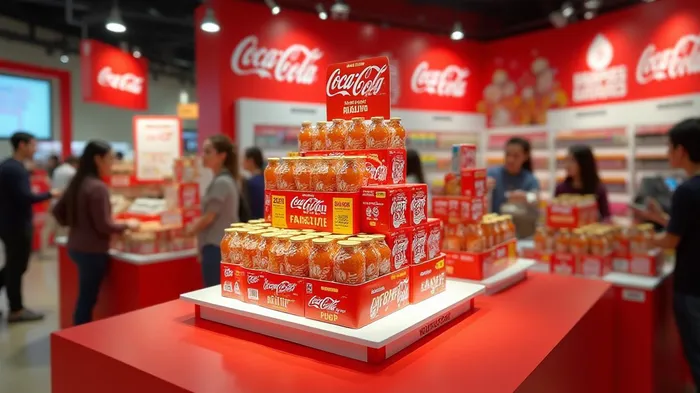
Emerging markets like China (high single-digit volume growth) and Turkey (double-digit gains) were fueled by localized campaigns, such as Lunar New Year promotions and the Maha Kumbh Mela festival in India. These efforts highlight Coca-Cola’s ability to adapt its wellness messaging to regional preferences.
Critical Challenges and Risks
- North America Woes: The 3% volume decline in Coca-Cola’s largest market signals the need for renewed innovation or pricing strategies to regain momentum. Competitors like PepsiCo’s Bubly sparkling water or Monster Beverage’s energy drinks are encroaching on health-conscious segments.
- Currency Volatility: Foreign exchange headwinds, particularly in Asia, reduced net revenues. The company projects a 2-3% currency drag on 2025 results.
- Cash Flow Pressure: The fairlife payment strained liquidity, though Coca-Cola expects $9.5 billion in free cash flow excluding this expense. Investors should monitor debt levels and dividend sustainability.
Investment Considerations
Coca-Cola’s valuation remains reasonable, trading at 22x forward P/E compared to PepsiCo’s 24x. Its 3.8% dividend yield offers stability, but growth hinges on executing its health-driven strategy. Key catalysts include:
- Product Innovation: Scaling Simply Pop and fairlife to compete with premium wellness brands.
- North America Turnaround: Reversing the volume decline through localized marketing or new launches.
- Emerging Markets Dominance: Leveraging its leadership in categories like tea and juice in high-growth regions.
Conclusion: A Health-First Play with Long-Term Potential
Coca-Cola’s Q1 results underscore its resilience in a challenging environment, with health-focused innovations and emerging markets driving organic growth. While North America’s struggles and cash flow pressures pose near-term risks, the company’s strategic pivot to wellness aligns with a global trend favoring reduced-sugar, functional, and locally relevant beverages. With a disciplined cost structure and a 5-6% organic growth outlook, Coca-Cola appears positioned to deliver steady returns for investors willing to look past short-term volatility. As Quincey noted, staying “close to the consumer” remains key—especially in an era where health is no longer a niche trend but a mainstream priority.
Key Stats to Remember:
- Coca-Cola Zero Sugar: 14% volume growth globally.
- fairlife: Strong volume growth, part of a $2.7 billion acquisition.
- Organic Revenue Growth: 6% in Q1, targeting 5-6% for 2025.
- Free Cash Flow (ex-fairlife): Expected $9.5 billion in 2025.
Investors should prioritize the execution of Coca-Cola’s wellness strategy and its ability to reignite North American demand as critical growth indicators.







Comentarios
Aún no hay comentarios