
CN Rail's $475M Quebec Expansion: A Strategic Masterstroke for North American Logistics Dominance
In a move that underscores its ambition to cement its position as a logistics powerhouse, Canadian National RailwayCNI-- (CN) has committed $475 million to its Quebec infrastructure expansion—a project that could redefine the economics of North American supply chains. This investment isn't merely about laying tracks; it's a calculated play to capitalize on Quebec's strategic geographic and industrial significance, while aligning with ESG trends and supply chain resilience demands. For investors, this is a signal to pay close attention to rail infrastructure's rising ROI potential.
Quebec: The Heart of North American Logistics
Quebec's location as a crossroads between Canada's industrial hubs and U.S. markets makes it a critical node in global supply chains. The province boasts major ports like Montreal, a gateway for exports of agricultural goods, minerals, and manufactured products. CN's expansion targets three pillars critical to its dominance:
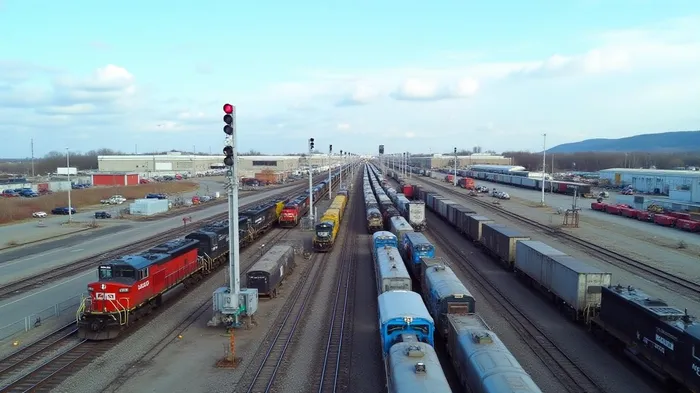
- Track & Yard Modernization: The Taschereau railyard in Dorval, a key transshipment hub, is undergoing upgrades to improve sorting efficiency and reduce delays. This mirrors CN's 2024 success in the Chicago corridor, where a 17% capacity boost from infrastructure upgrades cut transit times.
- IT & Customer Systems: CN is investing in AI-driven logistics platforms to optimize routing and inventory tracking—a move that could slash operational costs by 10–15% while enhancing customer satisfaction.
- Fleet Renewal: New locomotives and fuel-efficient equipment will lower emissions, aligning with Quebec's carbon reduction targets, while boosting reliability for high-value perishable goods.
Why This Move Signals a Wider Opportunity
CN's Quebec play isn't an isolated bet—it's part of a $3.4 billion 2025 capital program that reflects a broader rail sector trend. Investors should note:
- Supply Chain Resurgence: Post-pandemic demand for rail freight is soaring, with CN's network handling 300 million tons annually. The Quebec expansion adds 15–20% capacity in a region critical to 25% of CN's revenue.
- ESG Credibility: CN's focus on sustainability—evident in its new fuel terminal partnerships and Quebec's $4.6M in community investments—aligns with ESG-driven capital flows.
- Geopolitical Edge: As trade tensions and energy transitions intensify, Quebec's port access positions CN to capture growth in renewables and automotive exports (e.g., EV batteries).
The ROI Case: Timing is Everything
The Quebec project offers a compelling risk-reward profile:
- Short-Term Gains: Reduced delays and higher utilization could boost CN's margins by 2–3% by 2026.
- Long-Term Dominance: With 3,500 employees and 2,000 route miles in Quebec, CN is doubling down on a region where it already has a 70% market share in key corridors.
- Sector Catalyst: Rail infrastructure spending is expected to grow 8% annually through 2030, driven by e-commerce and energy shifts.
Risks, But Not Dealbreakers
Skeptics cite inflation, labor disputes, and regulatory hurdles. However, CN's track record—14% average annual revenue growth since 2018—suggests it can navigate these. The Quebec project's alignment with provincial infrastructure plans (e.g., Quebec's $12B transport budget) further mitigates execution risks.
Final Take: Act Now or Miss the Train
CN's Quebec investment isn't just about rails—it's about owning the arteries of North America's industrial future. With the stock trading at 11x forward EV/EBITDA, a 20% discount to its 5-year average, and Quebec's strategic value underappreciated by the market, this is a buy signal. Investors ignoring rail's comeback risk being left behind.
The logistics revolution is here. CN's Quebec bet is its biggest move yet—and it's time to board.





Comentarios
Aún no hay comentarios