
CME Launches Solana Futures, Boosting Institutional Acceptance
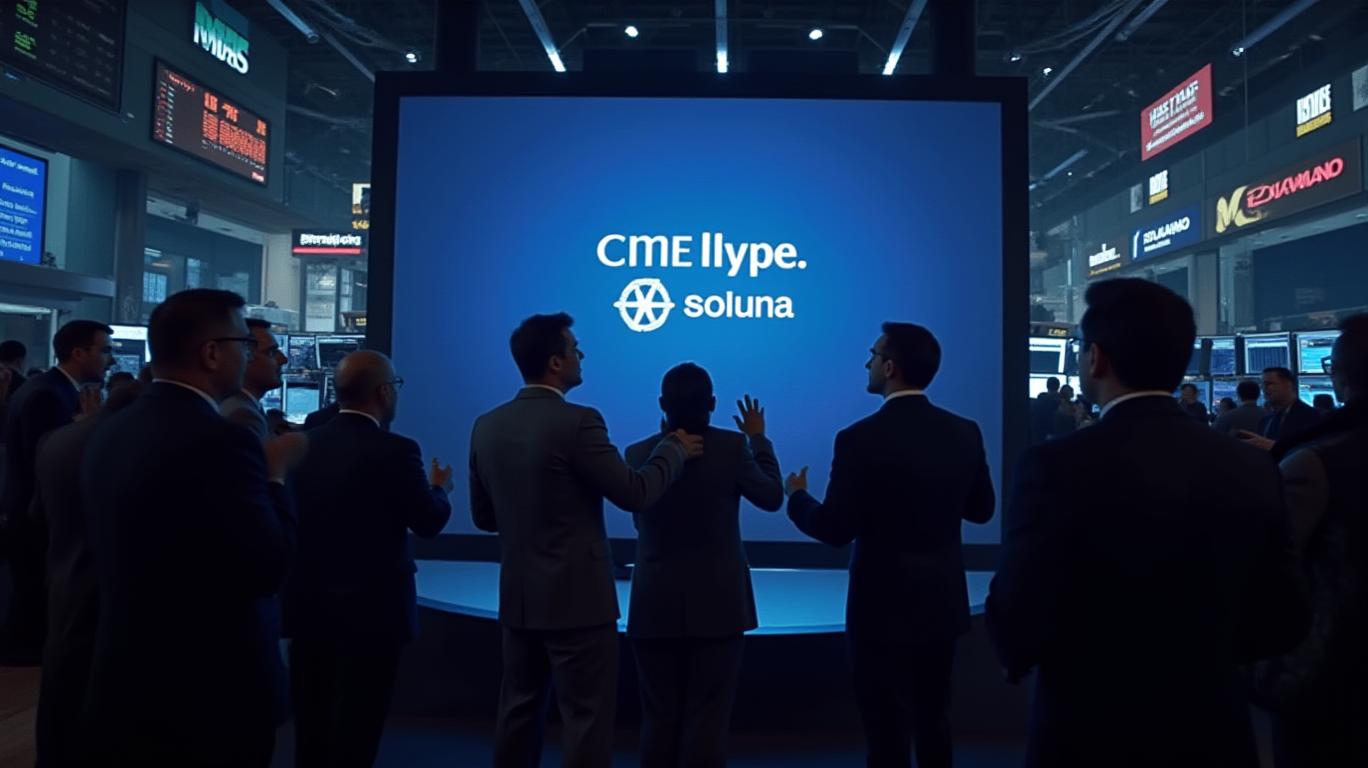
The Chicago Mercantile Exchange (CME) has recently launched futures contracts for Solana, marking a significant milestone for the cryptocurrency. This move is expected to enhance Solana's institutional acceptance and pave the way for potential ETF opportunities. The launch follows a similar offering by CoinbaseCOIN-- earlier this year, but the CME's platform provides a higher level of credibility and institutional backing.
Matthew Sigel from VanEck highlighted the importance of this development, stating that the CME's offering is more than just another product; it signifies Solana's evolving role in the digital asset space. The introduction of Solana futures by the CME reflects a broader trend of increasing institutional interest in cryptocurrencies. By providing a regulated platform, the exchange enhances the legitimacy of Solana within the digital asset landscape, which is crucial for attracting more institutional investments that often shy away from unregulated markets.
Josh Barkhordar, FalconX’s Head of US Sales, noted that the launch allows institutional investors to manage risk and price exposure on a regulated venue. This credibility could pave the way for future acceptance in the form of ETFs, an area where Solana has faced regulatory challenges. The futures market not only offers innovations in risk management but also significantly increases the liquidity of the asset. Greater liquidity can lead to more stable price movements, especially during times of high volatility.
Historically, platforms like the CME have influenced regulatory decisions concerning cryptocurrency ETFs, contributing to the recent approvals of Bitcoin and Ethereum funds. If Solana can replicate this success, it bodes well for its future. A major hurdle for Solana’s ETF aspirations has been the SEC’s scrutiny over its legitimacy as a secure investment. With the CME now backing Solana, this could be a turning point. The futures market effectively provides a buffer against regulatory pressures, showing that the asset has institutional backing that meets official standards.
The addition of Solana futures aims to revitalize the optimism surrounding its potential ETF applications. The SEC has previously delayed decisions on several ETF applications tied to Solana, citing concerns about market manipulability and consumer protection. The CME’s stamp of approval may help assuage these concerns, while also fostering a more robust market environment, which regulators typically favor. The introduction of futures trading could also stimulate price action indirectly, though immediate price changes weren’t observed, it could unfold into longer-term market behavior as institutional participation grows.
Market analysts and traders are closely watching how this product evolves and its ripple effects across the Solana ecosystem. With the CME now in the mix, the landscape for Solana is poised for significant transformation. Greater access to futures trading could encourage adoption among traditional investors, leading to an influx of capital that benefits the ecosystem as a whole. Solana’s performance in market scenarios will be further scrutinized to gauge how futures trading influences price stability and investor confidence.
In conclusion, the CME’s launch of Solana futures represents not only a new chapter for the cryptocurrency but also highlights the continuing evolution of digital assets in traditional finance. With enhanced market liquidity and institutional legitimacy, Solana could see increased interest from major investors, potentially paving the way for approved ETF applications in the future. As the market adjusts, stakeholders are reminded to stay informed about developments that could impact their investments.





Comentarios
Aún no hay comentarios