
CME Cattle Futures Surge to Record Highs Amid Supply Crunch and Peak Demand
The Chicago Mercantile Exchange (CME) cattle futures market hit historic highs in April 2025, driven by a perfect storm of supply constraints, peak seasonal demand, and bullish technical momentum. As cash cattle prices reached unprecedented levels, traders and analysts alike are questioning whether this rally marks a fleeting spike or the start of a prolonged era of elevated livestock values.
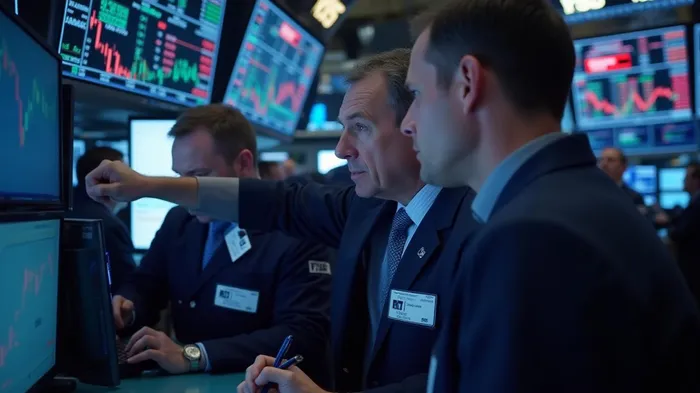
Supply Constraints: The 74-Year Low in Cattle Inventories
At the heart of the surge lies a decades-long decline in U.S. cattle herds. USDA data shows that cattle inventories in 2025 are at their lowest since 1952, a result of years of drought-driven herd reductions and ranchers’ decisions to cull herds rather than expand. While feedlot placements in early 2025 edged up slightly year-over-year, this modest growth has not offset the cumulative impact of years of contraction.
The scarcity has pushed fed cash cattle prices in Texas and Kansas to $212–214 per cwt—a $3 weekly increase—while northern dressed cattle reached $342–343 per cwt. These record cash prices directly underpin futures markets, as packers compete aggressively to secure supplies ahead of the peak grilling season.
Peak Demand and Beef’s Premium Position
The April rally coincides with the traditional peak demand period for beef, which typically spans Memorial Day through Labor Day. Boxed beef prices for choice cuts hit $333.70 per cwt by late April, reflecting robust consumer appetite for premium cuts. Analysts note that 2025’s “peak grilling season” could push prices higher still, as rising consumer confidence and protein-centric diets fuel demand.
This chart illustrates how futures have climbed from pandemic lows of $1.30 per pound in 2020 to a record $2.07725 per pound in January 2025, with feeder cattle hitting $2.90625 per pound in March.
Packer Competition and Negative Margins
Despite strong cash prices, meatpackers face a paradox: surging bids for cattle are squeezing margins. While slaughter rates increased to 107,000 head per day in late March, packers’ inability to pass along costs to consumers (due to stagnant boxed beef sales) has driven margins deeply negative. This pressure has forced packers to bid aggressively, further fueling cash market strength.
Trade Policy and Global Uncertainty
Temporary relief from trade tensions also supported prices. U.S. delays on tariffs on Mexican and Canadian livestock imports, coupled with China’s limited retaliatory measures, eased fears of disrupted supply chains. However, lingering tariff risks with Beijing remain a wildcard, as China’s beef imports could shift demand dynamics if trade tensions escalate.
Technical and Fundamental Bullish Momentum
Technical analysts emphasize that the cattle complex is in a “self-reinforcing bullish trend,” with higher highs and higher lows since 2020. The April live cattle futures contract closed at 201.300 cents/lb, while feeder cattle hit 270.725 cents/lb—both all-time records. Low liquidity in feeder contracts has amplified volatility, creating a “squeeze” effect as traders front-run peak-season demand.
Input Costs and Feedlot Incentives
Low grain prices—such as corn at $0.90 in Guymon, Oklahoma—are easing feed costs, encouraging feedlots to expand placements. However, this has not offset the long-term supply deficit. The FEEDER METER analysis by The Cattle Report shows that breakeven projections for feedlots remain positive, as futures markets anticipate further price gains.
Regional and Seasonal Dynamics
Drought conditions persist unevenly, with some regions still struggling to rebuild herds. Meanwhile, replacement cattle prices have skyrocketed by $20–$30 per cwt weekly in Oklahoma auctions, underscoring the scarcity of breeding stock. The resumption of Mexican cattle imports in 2025 has provided some relief, but it’s insufficient to offset the structural shortage.
Conclusion: A New Era of Elevated Cattle Prices?
The April 2025 CME cattle rally reflects a confluence of factors that are unlikely to abate soon. With cattle inventories at a 74-year low, peak seasonal demand approaching, and technical momentum favoring bulls, the stage is set for further price gains.
Key data points reinforce this outlook:
- Supply: U.S. cattle herds are 15% smaller than their 2007 peak.
- Demand: Boxed beef prices for choice cuts are up 18% year-over-year.
- Futures: The CME June live cattle contract has already traded above 205 cents/lb, signaling trader confidence in sustained scarcity.
Investors should monitor USDA inventory reports and trade policy developments closely. However, with the grilling season approaching and packer competition intensifying, the path of least resistance for cattle prices remains upward—for now.
This is a market where the old adage holds true: Buy the rumor, sell the news. But in 2025, the news is all bullish.







Comentarios
Aún no hay comentarios