
Climate-Driven Wildfire Risks and Resilience Opportunities in the Mediterranean: A Strategic Investment Analysis
The Mediterranean, a region synonymous with sun-drenched coastlines and vibrant ecosystems, now faces an existential threat: climate-driven wildfires. Over the past five years, the region has burned over 500,000 hectares annually, with 2025 already surpassing historical averages by 100%. These fires are not just ecological disasters—they are economic time bombs, destabilizing agriculture, water systems, and real estate while reshaping investment priorities. Yet, amid the crisis lies a paradox: the same forces driving destruction are fueling a surge in innovation and capital for climate resilience.
The Long-Term Economic and Infrastructural Vulnerabilities
Agriculture: The Hidden Cost of Burned Soil
Wildfires leave behind more than charred forests—they degrade soil fertility, reduce water retention, and disrupt crop cycles. In Spain, post-fire soil hydrophobicity has forced farmers to invest in costly soil restoration, while in Greece, vineyards in the Peloponnese face multiyear losses. The Mediterranean's agricultural sector, which contributes 4% of regional GDP, is increasingly at risk of long-term decline.
Water Systems: A Silent Crisis
Post-fire sedimentation in reservoirs and waterways has become a critical issue. In France, the 2022 wildfires led to a 30% increase in water treatment costs due to sediment contamination. Spain's €22.84 billion investment in water infrastructure underscores the urgency of integrating fire resilience into water management.
Real Estate: Devaluation and Insurance Dilemmas
Properties in fire-prone areas are losing value rapidly. In Portugal, real estate in Coimbra and Braga has seen a 15–20% decline post-fire, while insurers are withdrawing coverage or hiking premiums. This trend threatens local tax revenues and complicates urban planning, particularly in high-value coastal regions.
Investment Opportunities: From Mitigation to Innovation
Fire Mitigation: The New Frontier
The market for fire-resistant materials is booming. Companies like Saint-Gobain (SAIN.PA) and Fireline Systems are developing products that reduce insurance premiums by 40% and accelerate property sales. The EU's €528 million climate resilience fund is backing projects like the GUARDIAN initiative in Spain, which combines recycled water and AI-driven monitoring to protect 15,000 residents.
Renewable Energy and Smart Grids
Aging power lines are a leading cause of wildfires. Siemens and Schneider Electric are leading the charge in smart grid development, integrating AI to detect faults and reduce fire risks. Spain's €22.84 billion water and solar infrastructure program is a blueprint for combining climate adaptation with energy transition.
AI and Drone-Based Firefighting
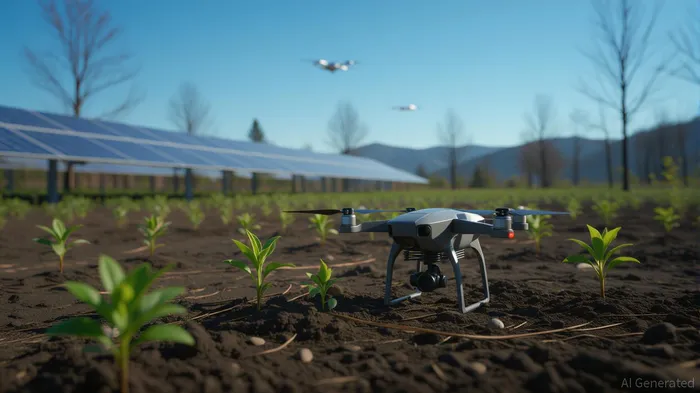
Firms like Firefly AerospaceFLY-- and Lockheed MartinLMT-- are deploying AI-guided drones that cut response times by 30%. IBM's wildfire risk mapping tools and Morfo's reforestation drones are redefining post-fire recovery. The EU's FIRE-RES project, testing 34 prevention strategies across 13 countries, is accelerating the commercialization of these technologies.
Strategic Recommendations for Investors
- Prioritize Early-Movers in Fire-Resistant Materials: Companies like Fireline Systems and Saint-Gobain are positioned to benefit from regulatory mandates and insurer incentives.
- Leverage EU Funding for Climate-Resilient Projects: The Mediterranean Climate Action Partnership (MCAP) and Interreg programs offer grants for water infrastructure and AI-driven fire prevention.
- Invest in Renewable Energy Integration: Smart grids and solar infrastructure projects are not only climate-resilient but also align with the EU's 2050 carbon neutrality goals.
- Support Ecosystem Restoration Startups: Firms like Morfo, which use drones for reforestation, are addressing both ecological and economic gaps in post-fire recovery.
Conclusion
The Mediterranean's wildfire crisis is a wake-up call for investors. While the economic and infrastructural vulnerabilities are profound, the region is also a testing ground for cutting-edge solutions. By channeling capital into fire mitigation, renewable energy, and climate-resilient infrastructure, investors can hedge against risk while capitalizing on a $500 billion market by 2030. The Mediterranean's future hinges on turning today's threats into tomorrow's opportunities.







Comentarios
Aún no hay comentarios