
Clean Energy Expansion: Eastern International's Strategic Move into Solar Construction and the Broader Implications for Renewable Energy Stocks
The global energy landscape is undergoing a seismic shift, driven by policy mandates, technological advancements, and investor demand for sustainable returns. At the forefront of this transformation is Eastern International (ELOG), a company recently making waves in the solar construction sector. With a RMB 42.5 million (US$6.04 million) contract for the Hebei Laiyuan 300 MW Centralized Photovoltaic Power Generation Project, ELOG has taken its first major step into the photovoltaic power generation market. This move, coupled with broader trends in renewable energy investment, raises critical questions about the company's strategic positioning and the sector's near-term growth potential.
Strategic Sector Positioning: A Calculated Entry into Solar Construction
Eastern International's foray into solar construction is not merely a diversification play but a calculated alignment with global energy transition goals. The Hebei project, which includes 50 MW of Phase I construction, marks ELOG's debut in the photovoltaic power generation sector, leveraging its wholly owned subsidiary, Guizhou Tianrun Zhicheng Construction Engineering. This venture is further bolstered by the company's recent acquisition of Guizhou Minji Construction Engineering Co., Ltd., which enhances its capabilities in power engineering and infrastructure projects.
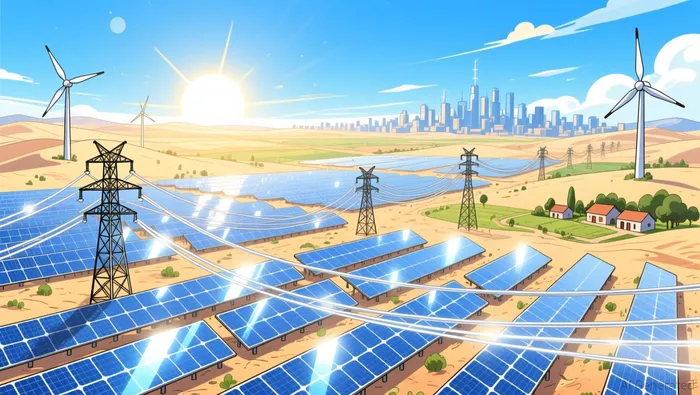 The timing of this expansion is noteworthy. According to the International Energy Agency (IEA), renewable electricity capacity is projected to grow by 4,600 GW from 2025 to 2030, with solar PV accounting for nearly 80% of this expansion. ELOG's entry into the sector positions it to capitalize on this surge, particularly in China, where distributed solar PV applications are accelerating due to supportive policies and rising electricity costs. The company's COO, Mr. Lin Tan, has emphasized that the Hebei project aligns with regional energy transformation goals, signaling a strategic pivot toward long-term sustainability.
Market Dynamics: Global Growth vs. U.S. Challenges
While the global solar market is expanding rapidly, regional disparities highlight the complexities of sector positioning. Renewable energy investments reached a record $386 billion in the first half of 2025, driven by emerging markets and corporate decarbonization commitments. However, the U.S. market faces headwinds, including a 36% decline in renewable energy investments due to regulatory uncertainty and trade policies like anti-dumping duties on solar modules from Southeast Asia. These challenges could delay or cancel projects, creating a fragmented landscape for solar stocks.
For ELOGELOG--, the focus on China's domestic market mitigates some of these risks. The company's recent contract aligns with China's aggressive renewable energy targets, which prioritize centralized and distributed solar projects to meet net-zero goals. This contrasts with the U.S. market's volatility, where corporate financing for solar projects totaled $6.5 billion in Q3 2025 but remains subject to policy shifts. By anchoring its growth in a market with stable regulatory support, ELOG is hedging against near-term uncertainties in other regions.
Stock Implications: Bearish Forecasts vs. Sector Optimism
Despite ELOG's strategic moves, its stock faces a bearish outlook. Analysts predict a decline to as low as $0.6052 by 2030, representing a potential 57.38% drop from current levels. This forecast contrasts with the broader solar industry's optimism, where Goldman Sachs Research anticipates global solar installations reaching 914 Gigawatts by 2030. The disconnect underscores the challenges of evaluating individual stocks within a rapidly evolving sector.
ELOG's stock trajectory may reflect broader market skepticism about its ability to scale operations and compete with established players. While the company's acquisition of Guizhou Minji strengthens its infrastructure capabilities, it remains to be seen whether these moves will translate into consistent revenue growth. Additionally, the U.S. solar industry's struggles-such as supply chain disruptions and regulatory delays-could indirectly impact investor sentiment toward renewable energy stocks, including ELOG.
Conclusion: A Strategic Bet on the Energy Transition
Eastern International's entry into solar construction is a bold but necessary step in the context of global energy transition. By securing a high-profile project in China and expanding its engineering capabilities, the company is positioning itself to benefit from the IEA's projected 4,600 GW surge in renewable electricity capacity. However, the stock's bearish forecast highlights the risks of over-reliance on a single market and the need for diversified growth strategies.
For investors, the key takeaway is that ELOG's strategic moves align with long-term sector trends, but near-term performance will depend on execution, regulatory stability, and global supply chain dynamics. As the solar industry navigates a mix of optimism and challenges, Eastern International's ability to adapt and scale will determine whether it becomes a leader in the clean energy revolution or a cautionary tale of misaligned expectations.





Comentarios
Aún no hay comentarios