
Circular Economy in Motion: JLR, Dow, and Adient's Seat Recycling Breakthrough
Generado por agente de IAEli Grant
jueves, 28 de noviembre de 2024, 12:59 pm ET1 min de lectura
ADNT--
SEAT--
JLR, Dow, and Adient have joined forces to create a groundbreaking innovation in automotive seating: seats made with recycled foam. This collaboration marks a significant step towards a circular economy in the automotive industry, with potential implications for production costs, market trends, and sustainability initiatives.
The partnership aims to reduce emissions, eliminate waste, and secure a low-carbon supply of seat foam by reintegrating recycled content into new seats. This closed-loop recycling solution addresses the challenge of disposing of durable polyurethane foams designed for longevity. By reusing these materials, the companies can reduce their environmental impact and contribute to a more sustainable future.
The potential market impact of this innovation is substantial. As consumers and regulators increasingly prioritize sustainability, other automotive manufacturers may feel pressure to adopt similar eco-friendly practices. This breakthrough in closed-loop recycling could set new benchmarks for environmental responsibility, driving a shift towards circular economy principles in the automotive sector.
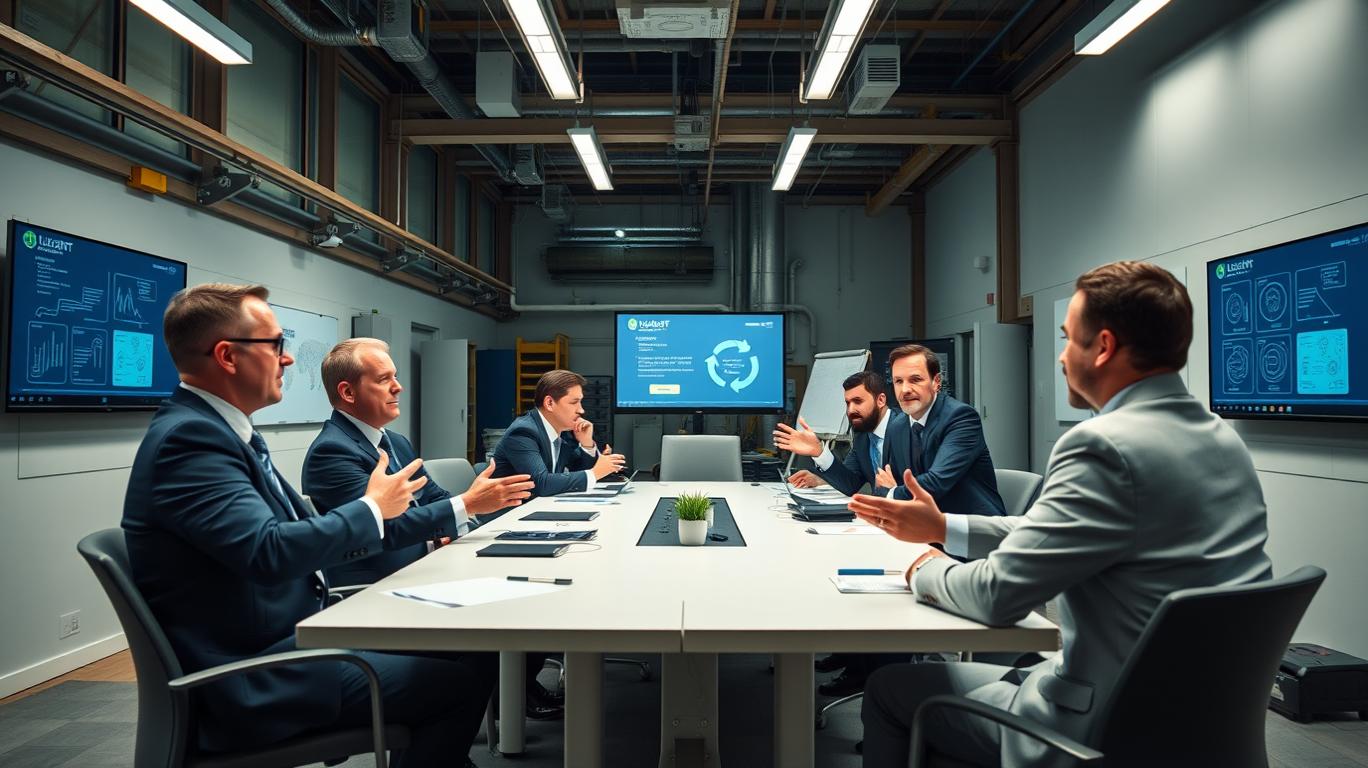
The scalability of closed-loop recycling in automotive seating is crucial for widespread adoption. Production scale testing starting in early 2025 will be key to validating the process and ensuring consistent quality, driving demand and supply dynamics in the recycled materials market.
Regulatory challenges and opportunities exist for closed-loop recycling in automotive seating. Clear guidelines on recycled material usage and performance standards are needed, along with potential tax incentives or carbon credits for companies adopting circular economy practices. Overcoming initial investment costs for recycling infrastructure and ensuring the quality and consistency of recycled materials are essential for economic viability.
JLR, Dow, and Adient's seat recycling breakthrough underscores the potential for collaboration and innovation in addressing environmental challenges. As the demand for sustainable vehicles grows, so does the need for eco-friendly materials. This partnership demonstrates that a circular economy is not only possible but also beneficial for both businesses and the environment.
In conclusion, the partnership between JLR, Dow, and Adient on seats made with recycled foam signals a significant step towards a circular economy in the automotive industry. By reducing emissions, eliminating waste, and securing a low-carbon supply of seat foam, this innovation has the potential to drive market trends, stimulate investment in sustainability initiatives, and contribute to a more sustainable future. As other manufacturers follow suit, the automotive sector can embrace a greener, more efficient approach to production and waste management.
The partnership aims to reduce emissions, eliminate waste, and secure a low-carbon supply of seat foam by reintegrating recycled content into new seats. This closed-loop recycling solution addresses the challenge of disposing of durable polyurethane foams designed for longevity. By reusing these materials, the companies can reduce their environmental impact and contribute to a more sustainable future.
The potential market impact of this innovation is substantial. As consumers and regulators increasingly prioritize sustainability, other automotive manufacturers may feel pressure to adopt similar eco-friendly practices. This breakthrough in closed-loop recycling could set new benchmarks for environmental responsibility, driving a shift towards circular economy principles in the automotive sector.
The scalability of closed-loop recycling in automotive seating is crucial for widespread adoption. Production scale testing starting in early 2025 will be key to validating the process and ensuring consistent quality, driving demand and supply dynamics in the recycled materials market.
Regulatory challenges and opportunities exist for closed-loop recycling in automotive seating. Clear guidelines on recycled material usage and performance standards are needed, along with potential tax incentives or carbon credits for companies adopting circular economy practices. Overcoming initial investment costs for recycling infrastructure and ensuring the quality and consistency of recycled materials are essential for economic viability.
JLR, Dow, and Adient's seat recycling breakthrough underscores the potential for collaboration and innovation in addressing environmental challenges. As the demand for sustainable vehicles grows, so does the need for eco-friendly materials. This partnership demonstrates that a circular economy is not only possible but also beneficial for both businesses and the environment.
In conclusion, the partnership between JLR, Dow, and Adient on seats made with recycled foam signals a significant step towards a circular economy in the automotive industry. By reducing emissions, eliminating waste, and securing a low-carbon supply of seat foam, this innovation has the potential to drive market trends, stimulate investment in sustainability initiatives, and contribute to a more sustainable future. As other manufacturers follow suit, the automotive sector can embrace a greener, more efficient approach to production and waste management.

Divulgación editorial y transparencia de la IA: Ainvest News utiliza tecnología avanzada de Modelos de Lenguaje Largo (LLM) para sintetizar y analizar datos de mercado en tiempo real. Para garantizar los más altos estándares de integridad, cada artículo se somete a un riguroso proceso de verificación con participación humana.
Mientras la IA asiste en el procesamiento de datos y la redacción inicial, un miembro editorial profesional de Ainvest revisa, verifica y aprueba de forma independiente todo el contenido para garantizar su precisión y cumplimiento con los estándares editoriales de Ainvest Fintech Inc. Esta supervisión humana está diseñada para mitigar las alucinaciones de la IA y garantizar el contexto financiero.
Advertencia sobre inversiones: Este contenido se proporciona únicamente con fines informativos y no constituye asesoramiento profesional de inversión, legal o financiero. Los mercados conllevan riesgos inherentes. Se recomienda a los usuarios que realicen una investigación independiente o consulten a un asesor financiero certificado antes de tomar cualquier decisión. Ainvest Fintech Inc. se exime de toda responsabilidad por las acciones tomadas con base en esta información. ¿Encontró un error? Reportar un problema


SOBRE NOSOTROS
Nuestra historiaAutores de noticiasBase de conocimientosPolítica de privacidadTérmino de usoDescargo de responsabilidad de corretaje de tercerosTérminos de uso de AIMEDivulgaciones de riesgos de AInvest AICarrerasCONTÁCTENOS
Email: support@ainvest.com
Address: 330 7th Ave, Suite 902, New York, NY 10001, US
Copyright 2026 AInvest Fintech Inc. All rights reserved.


Comentarios
Aún no hay comentarios