
Circle Bolsters Cross-Chain Push with Interop Labs Acquisition
Circle Acquires Interop Labs to Boost Cross-Chain Tech
Circle, the issuer of the $78 billion USDCUSDC-- stablecoin, announced Monday that it has signed a deal to acquire the team and intellectual property of Interop Labs, the company behind the initial development of the cross-chain protocol AxelarAXL-- according to reports. The acquisition is expected to close in early 2026 and aims to accelerate Circle's cross-chain interoperability strategy. The move is a significant step in Circle's effort to make USDC more accessible and functional across multiple blockchain ecosystems.
The deal includes Interop Labs' engineering team and its proprietary technology but excludes the Axelar network itself, which will continue to operate under a community-governed, open-source model. Common Prefix, another contributor to Axelar, will take over the development responsibilities previously held by Interop Labs according to a report. This transition ensures that the Axelar network remains independent while CircleCRCL-- integrates the team's expertise into its own projects.
Circle aims to use the talent and technology from Interop Labs to enhance two core initiatives: its Arc blockchain, an enterprise-grade layer for the blockchain internet, and its Cross-Chain Transfer Protocol (CCTP), which enables seamless token movement between chains. 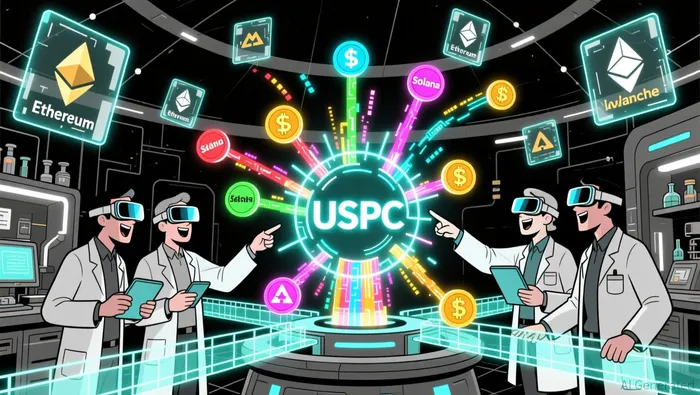 The acquisition aligns with Circle's broader vision for an interconnected, multi-chain digital economy. The company emphasized that the move is not about consolidating control but about expanding infrastructure to reduce friction in the blockchain space according to industry analysis.
Strategic Implications for Circle and the Crypto Industry
This acquisition is a strategic masterstroke in Circle's bid to cement USDC's dominance in the digital dollar market. By integrating in-house expertise in cross-chain communication, Circle reduces reliance on external protocols and gains direct control over key interoperability infrastructure according to industry experts. For developers, this means easier access to tools for building cross-chain applications. For users, it promises faster and more seamless transfers of USDC between major blockchains like EthereumETH--, SolanaSOL--, and Avalanche.
The deal also reflects the growing importance of interoperability in the blockchain space. As stablecoins become a critical component of global finance-projected to settle $1 trillion in payments annually by 2030-Circle is positioning itself to lead the next wave of innovation. The acquisition underscores the need for scalable, secure infrastructure to support a multi-chain world according to technical analysis.
Market and Developer Reactions
Developers working with USDC can expect improved tools and integrations as a result of this acquisition. Circle has pledged to update its documentation and communication with the developer community in the coming months. Meanwhile, the broader market is watching closely to see whether this move signals a shift toward more centralized infrastructure or a new standard for decentralized, open-source innovation according to market observers.
The AXLAXL-- token, used for governance and security in the Axelar network, is unlikely to be directly affected by the acquisition. The token's value will depend on the continued adoption and governance of the open-source Axelar network, which remains independent according to technical reports. However, the increased attention on the Axelar ecosystem could indirectly boost the token's utility and visibility.
Risks and Open Questions
While the acquisition is a clear win for Circle, some risks remain. The integration of the Interop Labs team into Circle's corporate structure must be handled carefully to maintain the principles of decentralization and open governance that Axelar was built upon according to community leaders. If not managed properly, there could be backlash from the open-source community or a loss of trust in the project's neutrality.
Another open question is how this move will affect competition in the stablecoin space. TetherUSDT-- and other major players may feel pressured to respond with their own cross-chain strategies. Circle's move highlights the importance of infrastructure in the digital dollar race and could spark a broader trend of strategic acquisitions in the sector.
The acquisition is a bold bet on a multi-chain future. For now, it positions Circle to lead in a space where seamless interoperability is increasingly crucial. As the deal nears completion in early 2026, all eyes will be on whether it delivers on its promise to redefine the cross-chain experience.





Comentarios
Aún no hay comentarios