
Chipotle's High-Protein Menu Launch: A Strategic Move to Capture the Growing Health and Wellness Market
The health and wellness industry is undergoing a seismic shift, driven by a confluence of macro-nutrient trends and the explosive growth of GLP-1 weight-loss medications. ChipotleCMG-- Mexican Grill's recent launch of its High Protein Menu on December 23, 2025, represents a calculated and timely response to these dynamics, positioning the brand to capitalize on a market where 61% of consumers increased their protein intake in 2024 compared to 2019. With GLP-1 users-now a significant demographic-prioritizing high-protein, customizable, and portion-controlled meals, Chipotle's strategy aligns seamlessly with evolving consumer behavior and regulatory tailwinds.
The Rise of High-Protein Diets and GLP-1 Demand
The demand for high-protein diets has surged, fueled by younger generations seeking bold flavors and functional nutrition. According to Cargill's 2025 protein trends report, 70% of Americans now prioritize protein in their diets, with over a third increasing their intake in the past year. This trend is further amplified by the rise of GLP-1 medications, which have transformed weight-loss paradigms. Data from Food Navigator indicates that 64% of U.S. GLP-1 users closely monitor their protein intake, while 44% have increased their consumption of plant-based proteins. These consumers are not only altering their dietary habits but also reshaping the restaurant industry's approach to menu engineering.
GLP-1 users, in particular, are gravitating toward fast-casual chains like Chipotle, where they can customize meals with lean proteins and fresh vegetables while controlling portion sizes. This aligns with the broader shift toward "nutritional purpose," where meals are designed to support metabolic health rather than merely satisfy hunger. As one report notes, "The GLP-1 boom is redefining how consumers think about food, health, and wellness."
Chipotle's High-Protein Menu: Innovation in Action
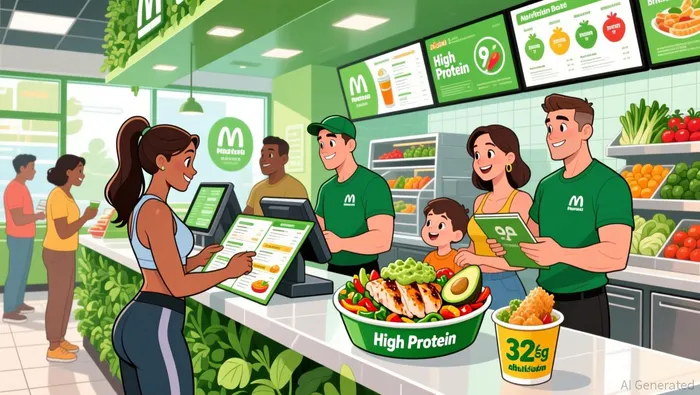 Chipotle's High Protein Menu, featuring items ranging from 15g to 81g of protein, directly addresses these consumer needs. The standout High Protein Cup-a 4-ounce serving of adobo chicken or steak with 32g of protein-offers a grab-and-go solution for on-the-go consumers, priced at an average of $3.82. Other offerings, such as the Double High Protein Bowl (81g protein) and the High Protein-High Fiber Bowl (46g protein), cater to diverse dietary preferences while emphasizing satiety and nutritional balance.
The menu's design reflects a deep understanding of GLP-1 user behavior. For instance, the ability to skip rice and add fajita veggies or guacamole allows customers to tailor meals to their macronutrient goals. This flexibility is critical in a market where 78% of plant-focused consumers prioritize both taste and nutrition equally. By offering high-protein, low-carb, and high-fiber options, Chipotle is not only meeting current demand but also future-proofing its menu against regulatory scrutiny and shifting consumer expectations.
Strategic Marketing and Influencer Partnerships
Chipotle's marketing strategy further underscores its alignment with macro-trends. The brand has partnered with health influencers such as NBA player Josh Hart, fitness creator Samantha Milton, and dietitian Kylie Sakaida to promote its high-protein offerings. These collaborations leverage trusted voices to educate consumers on how to optimize their meals for GLP-1 therapy, reinforcing Chipotle's position as a health-conscious brand.
Moreover, the menu's affordability-such as the $3.50 Single Chicken Taco-ensures accessibility for a broad demographic. This pricing strategy is crucial in a competitive market where 77% of consumers associate plant proteins with weight loss. By balancing cost, nutrition, and convenience, Chipotle is appealing to both GLP-1 users and the broader health-focused audience.
Challenges and Opportunities
While the High Protein Menu is a bold move, it is not without risks. The food industry faces regulatory challenges as brands reformulate products to meet GLP-1 user needs, with critics warning of potential overpromising or mislabeling. Additionally, maintaining profitability while offering high-protein items at competitive prices could strain margins. However, Chipotle's strong brand equity and operational efficiency-rooted in its "Food with Integrity" philosophy-position it to navigate these hurdles.
The long-term opportunity is substantial. As GLP-1 adoption continues to rise, the demand for high-protein, customizable meals is projected to grow. Chipotle's proactive approach not only captures this demand but also sets a benchmark for competitors. By aligning with both dietary trends and medical advancements, the brand is redefining fast-casual dining as a vehicle for health and wellness.
Conclusion
Chipotle's High Protein Menu is more than a product launch-it is a strategic pivot toward a $1.2 trillion global health and wellness market. According to Cargill's 2025 report, by addressing the specific needs of GLP-1 users and leveraging the broader high-protein trend, Chipotle is securing its relevance in an era where food is increasingly viewed as a tool for metabolic health. For investors, this move signals a brand that is agile, innovative, and deeply attuned to consumer evolution. As the lines between nutrition and medicine blur, Chipotle's ability to adapt will likely determine its success in the years ahead.





Comentarios
Aún no hay comentarios