
Chinese Smartphone Giants: Thriving Despite Trump's Shadow
Generado por agente de IAWesley Park
miércoles, 5 de marzo de 2025, 1:14 am ET2 min de lectura
TGLS--
As U.S.-China relations remain tense, with President Trump's administration imposing tariffs and restrictions on Chinese tech companies, one might wonder how Chinese smartphone vendors have managed to grow globally. Despite the political headwinds, companies like Xiaomi, Oppo, and Honor have expanded their reach, focusing on innovation, localization, and competitive pricing. Let's delve into their strategies and the impact of tariffs on their global competitiveness.

Innovation and Localization: The Key to Success
Chinese smartphone vendors have invested heavily in research and development to create innovative products that cater to global consumer needs. Xiaomi, for instance, showcased its first wireless AR glasses at the Mobile World Congress 2023, demonstrating its commitment to technological advancements (Source: Xinhua, Oct. 8, 2023). Additionally, these companies have adopted a localization strategy, which involves research and development, manufacturing, and marketing in local markets. This approach helps them understand and meet the specific needs of consumers in different regions. Haier, for example, has opened 35 industrial parks and 138 manufacturing plants worldwide to support this strategy (Source: Kantar BrandZ 2023 Chinese Global Brand Builders report).
Navigating Tariffs and Trade Disputes
In response to tariffs and trade disputes, particularly with the U.S., Chinese smartphone vendors have adapted their product offerings and pricing strategies. Manufacturers may absorb short-term cost increases rather than immediately passing them on to consumers to remain competitive (Source: Ravi Sawhney, RKS Design founder). Alternatively, they may consider moving production to countries not affected by tariffs to reduce costs and maintain competitive pricing (Source: Michael Szanto, economist). Over time, manufacturers may pass on higher production costs to consumers through gradual price increases (Source: Ravi Sawhney, RKS Design founder).
Maintaining Global Competitiveness
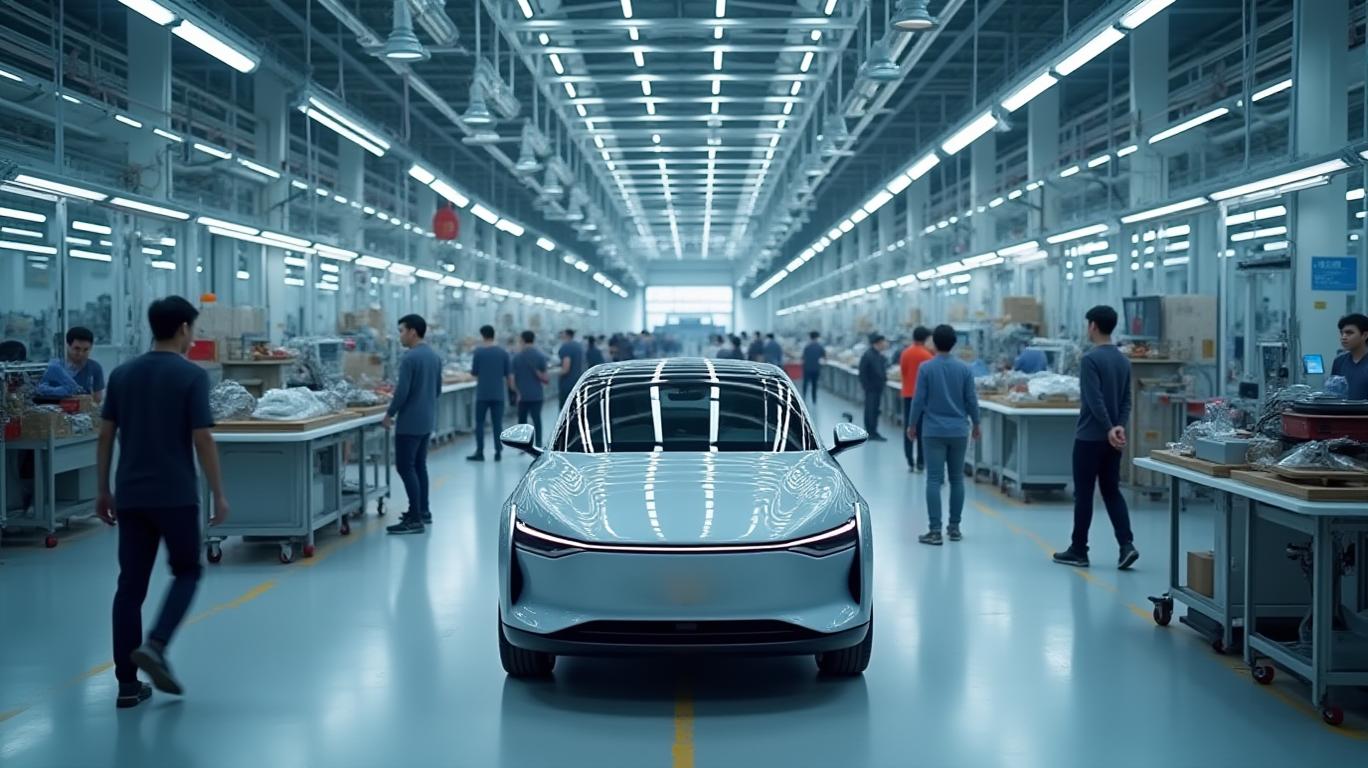
The evolution of product offerings and pricing strategies has helped Chinese smartphone vendors maintain their global competitiveness despite tariffs and trade disputes. By diversifying product portfolios and focusing on innovation, these companies can differentiate themselves from competitors and attract consumers. Xiaomi, for example, has expanded its product portfolio beyond smartphones to include electric vehicles (EVs), such as the SU7 Ultra, to diversify its revenue streams and reduce dependence on the smartphone market (Source: MWC 2024). Oppo has focused on AI privacy features and other innovative technologies to differentiate its products and attract consumers (Source: MWC 2024). TecnoTGLS--, a lesser-known player, has unveiled products like AI glasses, targeting emerging markets and offering affordable alternatives to established brands (Source: MWC 2024).
In conclusion, Chinese smartphone vendors have evolved their product offerings and pricing strategies in response to tariffs and trade disputes, which has helped them maintain their global competitiveness. By diversifying product portfolios, focusing on innovation, and adapting pricing strategies, these companies can continue to compete effectively in the global market. Despite the uncertainty surrounding U.S. trade policies and potential restrictions on Chinese technology companies, these companies have managed to thrive, proving that political challenges need not hinder business success.
As U.S.-China relations remain tense, with President Trump's administration imposing tariffs and restrictions on Chinese tech companies, one might wonder how Chinese smartphone vendors have managed to grow globally. Despite the political headwinds, companies like Xiaomi, Oppo, and Honor have expanded their reach, focusing on innovation, localization, and competitive pricing. Let's delve into their strategies and the impact of tariffs on their global competitiveness.
Innovation and Localization: The Key to Success
Chinese smartphone vendors have invested heavily in research and development to create innovative products that cater to global consumer needs. Xiaomi, for instance, showcased its first wireless AR glasses at the Mobile World Congress 2023, demonstrating its commitment to technological advancements (Source: Xinhua, Oct. 8, 2023). Additionally, these companies have adopted a localization strategy, which involves research and development, manufacturing, and marketing in local markets. This approach helps them understand and meet the specific needs of consumers in different regions. Haier, for example, has opened 35 industrial parks and 138 manufacturing plants worldwide to support this strategy (Source: Kantar BrandZ 2023 Chinese Global Brand Builders report).
Navigating Tariffs and Trade Disputes
In response to tariffs and trade disputes, particularly with the U.S., Chinese smartphone vendors have adapted their product offerings and pricing strategies. Manufacturers may absorb short-term cost increases rather than immediately passing them on to consumers to remain competitive (Source: Ravi Sawhney, RKS Design founder). Alternatively, they may consider moving production to countries not affected by tariffs to reduce costs and maintain competitive pricing (Source: Michael Szanto, economist). Over time, manufacturers may pass on higher production costs to consumers through gradual price increases (Source: Ravi Sawhney, RKS Design founder).
Maintaining Global Competitiveness
The evolution of product offerings and pricing strategies has helped Chinese smartphone vendors maintain their global competitiveness despite tariffs and trade disputes. By diversifying product portfolios and focusing on innovation, these companies can differentiate themselves from competitors and attract consumers. Xiaomi, for example, has expanded its product portfolio beyond smartphones to include electric vehicles (EVs), such as the SU7 Ultra, to diversify its revenue streams and reduce dependence on the smartphone market (Source: MWC 2024). Oppo has focused on AI privacy features and other innovative technologies to differentiate its products and attract consumers (Source: MWC 2024). TecnoTGLS--, a lesser-known player, has unveiled products like AI glasses, targeting emerging markets and offering affordable alternatives to established brands (Source: MWC 2024).
In conclusion, Chinese smartphone vendors have evolved their product offerings and pricing strategies in response to tariffs and trade disputes, which has helped them maintain their global competitiveness. By diversifying product portfolios, focusing on innovation, and adapting pricing strategies, these companies can continue to compete effectively in the global market. Despite the uncertainty surrounding U.S. trade policies and potential restrictions on Chinese technology companies, these companies have managed to thrive, proving that political challenges need not hinder business success.

Divulgación editorial y transparencia de la IA: Ainvest News utiliza tecnología avanzada de Modelos de Lenguaje Largo (LLM) para sintetizar y analizar datos de mercado en tiempo real. Para garantizar los más altos estándares de integridad, cada artículo se somete a un riguroso proceso de verificación con participación humana.
Mientras la IA asiste en el procesamiento de datos y la redacción inicial, un miembro editorial profesional de Ainvest revisa, verifica y aprueba de forma independiente todo el contenido para garantizar su precisión y cumplimiento con los estándares editoriales de Ainvest Fintech Inc. Esta supervisión humana está diseñada para mitigar las alucinaciones de la IA y garantizar el contexto financiero.
Advertencia sobre inversiones: Este contenido se proporciona únicamente con fines informativos y no constituye asesoramiento profesional de inversión, legal o financiero. Los mercados conllevan riesgos inherentes. Se recomienda a los usuarios que realicen una investigación independiente o consulten a un asesor financiero certificado antes de tomar cualquier decisión. Ainvest Fintech Inc. se exime de toda responsabilidad por las acciones tomadas con base en esta información. ¿Encontró un error? Reportar un problema


SOBRE NOSOTROS
Nuestra historiaAutores de noticiasBase de conocimientosPolítica de privacidadTérmino de usoDescargo de responsabilidad de corretaje de tercerosTérminos de uso de AIMEDivulgaciones de riesgos de AInvest AICarrerasCONTÁCTENOS
Email: support@ainvest.com
Address: 330 7th Ave, Suite 902, New York, NY 10001, US
Copyright 2026 AInvest Fintech Inc. All rights reserved.


Comentarios
Aún no hay comentarios