
Chinese EV Giants Challenge EU Tariffs in Court
Generado por agente de IAWesley Park
viernes, 24 de enero de 2025, 2:33 pm ET1 min de lectura
BYD--
In a bold move to protect their interests and challenge the European Union's (EU) recent tariffs on Chinese electric vehicles (EVs), four major automakers – BYD, Geely, SAIC, and BMW – have joined forces to file complaints at the Court of Justice of the European Union. The quartet is objecting to the tariffs set last year following an investigation by the European Commission into Chinese state aid in the Chinese car industry, which concluded that some automakers received an unfair financial advantage when selling cars in Europe.
The EU imposed tariffs of 17-35 percent on these automakers after a European Commission investigation found that the BEV value chain in China benefits from unfair subsidization, causing a threat of economic injury to EU producers of BEVs. The investigation also examined the likely consequences and impact of these tariffs on BEV importers and consumers in the EU.
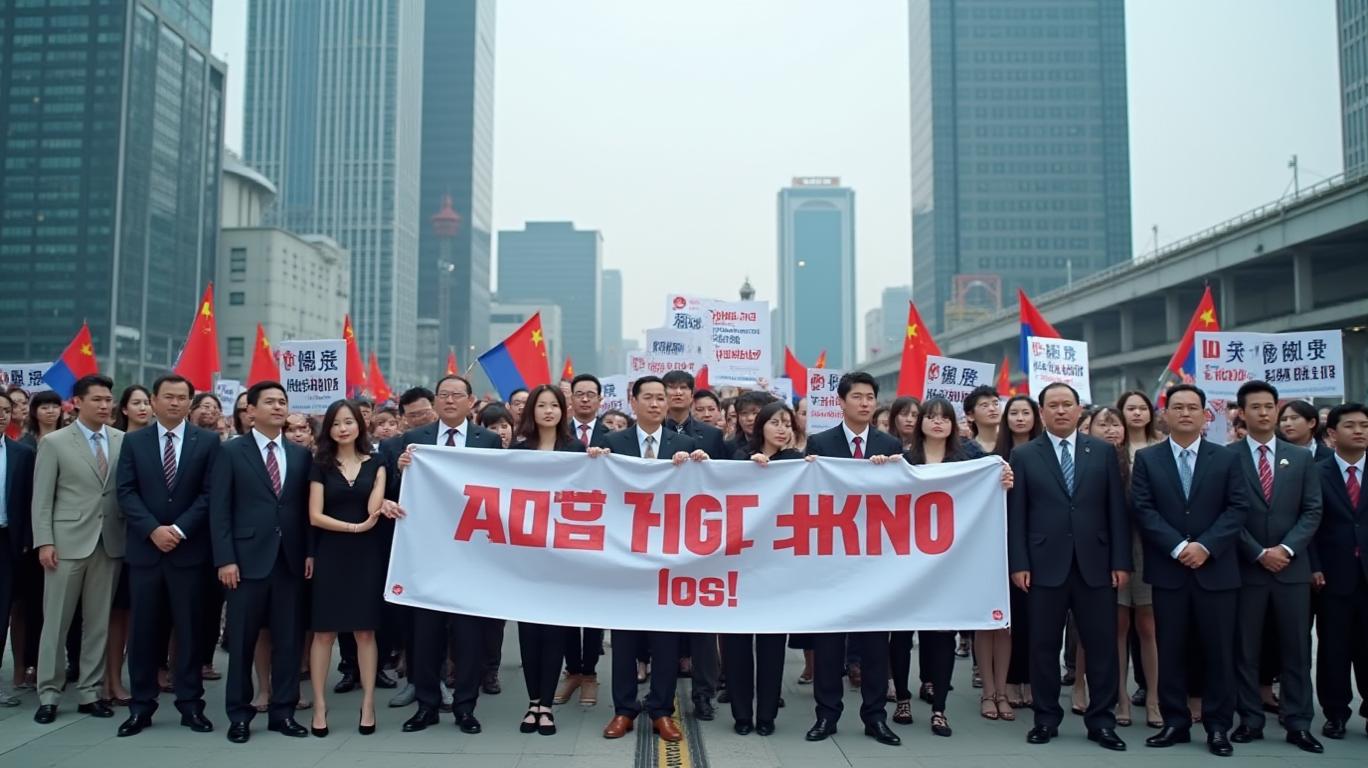
The four automakers are contesting the tariffs, with BYD facing a 17 percent rate, Geely an 18.8 percent tariff, and SAIC taking both barrels with a 35.3 percent tariff. BMW, although not directly affected by the tariffs on its Chinese automakers, is a big problem for Mini, as the new electric Cooper hatch and Aceman SUV are both produced in China and attract a 20.7 percent tariff.
The EU's decision to impose tariffs on Chinese EVs has sparked a backlash from both Chinese and European automakers. Chinese automakers have been looking at ways to sidestep the duties by building their EVs in or close to Europe, while European automakers have expressed concerns about the potential impact on their businesses in both the EU and China.
The outcome of this legal battle will have significant implications for the global EV market dynamics, particularly the competitive landscape between European and Chinese automakers. If the Chinese automakers win the case, it will remove or reduce the tariffs, making it easier for them to expand their EV sales in Europe and increasing competition with European automakers in their home market. If the Chinese automakers lose the case, they may be forced to reconsider their expansion plans in Europe or look for alternative ways to enter the market, such as building factories in or near Europe to avoid tariffs.
In conclusion, the legal challenge by BYD, Geely, SAIC, and BMW against the EU's tariffs on Chinese electric vehicles is a critical development in the global EV market. The outcome of this legal battle will shape the competitive landscape between European and Chinese automakers and influence the global supply chain dynamics. As the case unfolds, investors and industry stakeholders will be closely watching the developments, as the result could have far-reaching implications for the EV market and the broader automotive industry.
In a bold move to protect their interests and challenge the European Union's (EU) recent tariffs on Chinese electric vehicles (EVs), four major automakers – BYD, Geely, SAIC, and BMW – have joined forces to file complaints at the Court of Justice of the European Union. The quartet is objecting to the tariffs set last year following an investigation by the European Commission into Chinese state aid in the Chinese car industry, which concluded that some automakers received an unfair financial advantage when selling cars in Europe.
The EU imposed tariffs of 17-35 percent on these automakers after a European Commission investigation found that the BEV value chain in China benefits from unfair subsidization, causing a threat of economic injury to EU producers of BEVs. The investigation also examined the likely consequences and impact of these tariffs on BEV importers and consumers in the EU.
The four automakers are contesting the tariffs, with BYD facing a 17 percent rate, Geely an 18.8 percent tariff, and SAIC taking both barrels with a 35.3 percent tariff. BMW, although not directly affected by the tariffs on its Chinese automakers, is a big problem for Mini, as the new electric Cooper hatch and Aceman SUV are both produced in China and attract a 20.7 percent tariff.
The EU's decision to impose tariffs on Chinese EVs has sparked a backlash from both Chinese and European automakers. Chinese automakers have been looking at ways to sidestep the duties by building their EVs in or close to Europe, while European automakers have expressed concerns about the potential impact on their businesses in both the EU and China.
The outcome of this legal battle will have significant implications for the global EV market dynamics, particularly the competitive landscape between European and Chinese automakers. If the Chinese automakers win the case, it will remove or reduce the tariffs, making it easier for them to expand their EV sales in Europe and increasing competition with European automakers in their home market. If the Chinese automakers lose the case, they may be forced to reconsider their expansion plans in Europe or look for alternative ways to enter the market, such as building factories in or near Europe to avoid tariffs.
In conclusion, the legal challenge by BYD, Geely, SAIC, and BMW against the EU's tariffs on Chinese electric vehicles is a critical development in the global EV market. The outcome of this legal battle will shape the competitive landscape between European and Chinese automakers and influence the global supply chain dynamics. As the case unfolds, investors and industry stakeholders will be closely watching the developments, as the result could have far-reaching implications for the EV market and the broader automotive industry.

Divulgación editorial y transparencia de la IA: Ainvest News utiliza tecnología avanzada de Modelos de Lenguaje Largo (LLM) para sintetizar y analizar datos de mercado en tiempo real. Para garantizar los más altos estándares de integridad, cada artículo se somete a un riguroso proceso de verificación con participación humana.
Mientras la IA asiste en el procesamiento de datos y la redacción inicial, un miembro editorial profesional de Ainvest revisa, verifica y aprueba de forma independiente todo el contenido para garantizar su precisión y cumplimiento con los estándares editoriales de Ainvest Fintech Inc. Esta supervisión humana está diseñada para mitigar las alucinaciones de la IA y garantizar el contexto financiero.
Advertencia sobre inversiones: Este contenido se proporciona únicamente con fines informativos y no constituye asesoramiento profesional de inversión, legal o financiero. Los mercados conllevan riesgos inherentes. Se recomienda a los usuarios que realicen una investigación independiente o consulten a un asesor financiero certificado antes de tomar cualquier decisión. Ainvest Fintech Inc. se exime de toda responsabilidad por las acciones tomadas con base en esta información. ¿Encontró un error? Reportar un problema




Comentarios
Aún no hay comentarios