
Chinese Battery Giant CATL Denies Xinjiang Region Suppliers
Generado por agente de IAEli Grant
martes, 26 de noviembre de 2024, 2:41 am ET2 min de lectura
DHS--
The battery industry is a critical component of the global energy transition, with companies like China's Contemporary Amperex Technology Co. Ltd. (CATL) playing a significant role. CATL, a leading producer of electric vehicle (EV) batteries, has recently made headlines by denying having suppliers from China's Xinjiang region, which has been the subject of allegations involving forced labor.
This denial comes after U.S. lawmakers alleged connections between CATL and companies involved in forced labor, specifically Xinjiang Nonferrous and Xinjiang Joinworld. CATL, however, has asserted no ties to these companies and claims to have no suppliers in the Xinjiang region. This contradiction raises questions about the accuracy of the lawmakers' accusations and the transparency of CATL's supply chain.
The U.S. Department of Homeland Security (DHS) has taken action by placing the two alleged suppliers on its forced labor entity list, banning their products' import and impacting their supply chains. This move underscores the U.S. government's commitment to eradicating forced labor from its supply chains.
CATL's denial could have significant implications for U.S. government policies and regulations regarding forced labor. If found truthful, it may lead to less stringent regulations, allowing CATL to operate more freely in the U.S. However, if CATL is found to be misrepresenting its supply chain, it could exacerbate tensions and lead to more severe restrictions.
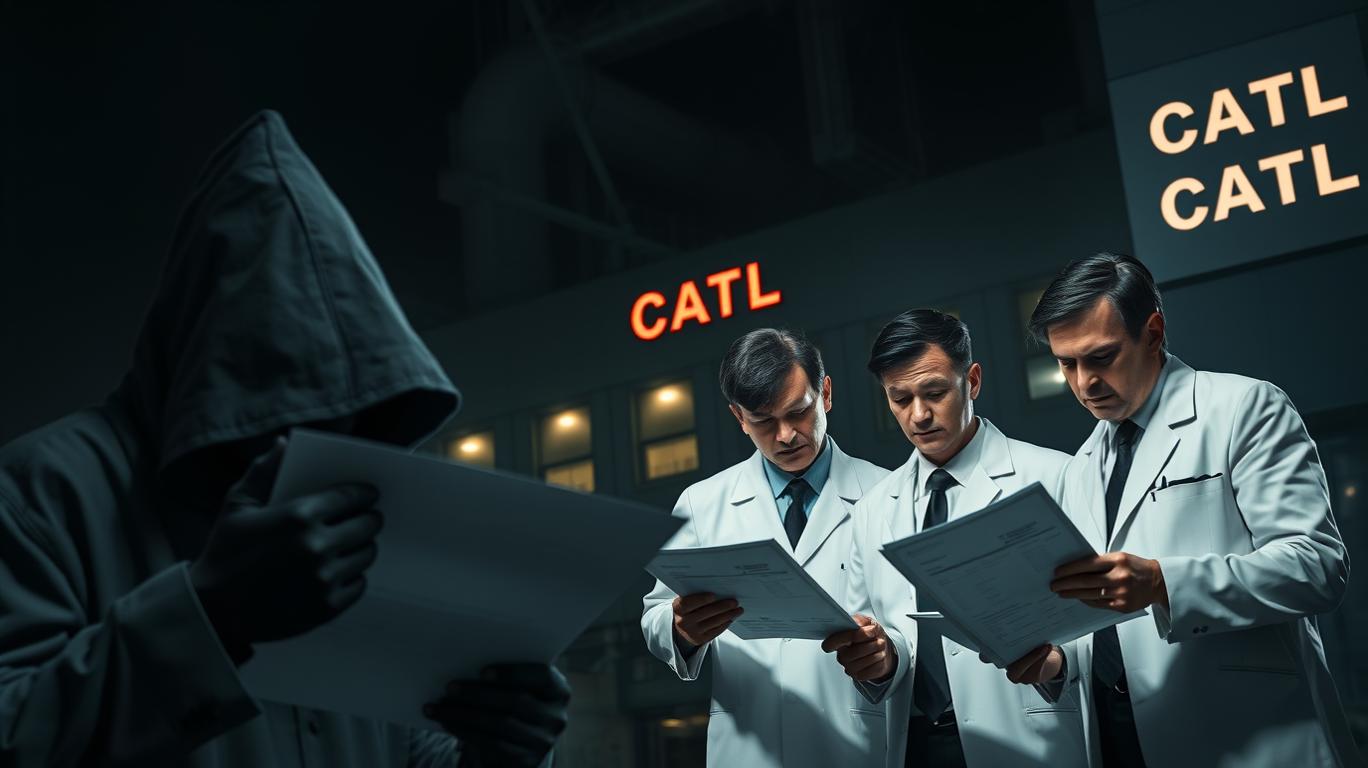
Investors should consider this uncertainty when evaluating the potential risks and opportunities in the battery supply chain. CATL's denial introduces ambiguity into the supply chain dynamics, potentially weakening the narrative supporting U.S. actions against CATL and its partners.
To verify CATL's claims, the U.S. government can conduct independent audits and inspections of its supply chain. This would involve investigating CATL's suppliers, checking their compliance with U.S. labor laws and regulations, and assessing the accuracy of CATL's statements regarding its lack of connections to the Xinjiang region. These steps would help the U.S. government ensure that CATL is not involved in forced labor practices and can maintain its credibility in the global market.
CATL's response could potentially shift U.S. government sentiment towards the Decoupling from Foreign Adversarial Battery Dependency Act. The act aims to prohibit DHS from procuring batteries from Chinese companies, including CATL and Gotion, due to their alleged ties to forced labor. CATL's statement, if credible, could alleviate some concerns, potentially softening the government's stance. However, given the historical connections exposed by U.S. Congress, further investigations are needed before any significant policy changes can be expected.
If CATL's claims are proven false or inconclusive, it could face significant consequences in the U.S. market. These may include import bans, exclusion from federal procurement as per the Decoupling Act, or reputation damage. This could impact CATL's plans to build and operate facilities in the U.S., potentially leading to delayed or abandoned projects.
In conclusion, CATL's denial of ties to Xinjiang suppliers introduces uncertainty into the battery supply chain, with potential implications for U.S. policies and regulations. The U.S. government should conduct thorough investigations to verify CATL's claims and maintain a balanced approach to addressing forced labor in global supply chains. Investors should remain vigilant and consider the potential risks and opportunities in the evolving battery market.
This denial comes after U.S. lawmakers alleged connections between CATL and companies involved in forced labor, specifically Xinjiang Nonferrous and Xinjiang Joinworld. CATL, however, has asserted no ties to these companies and claims to have no suppliers in the Xinjiang region. This contradiction raises questions about the accuracy of the lawmakers' accusations and the transparency of CATL's supply chain.
The U.S. Department of Homeland Security (DHS) has taken action by placing the two alleged suppliers on its forced labor entity list, banning their products' import and impacting their supply chains. This move underscores the U.S. government's commitment to eradicating forced labor from its supply chains.
CATL's denial could have significant implications for U.S. government policies and regulations regarding forced labor. If found truthful, it may lead to less stringent regulations, allowing CATL to operate more freely in the U.S. However, if CATL is found to be misrepresenting its supply chain, it could exacerbate tensions and lead to more severe restrictions.
Investors should consider this uncertainty when evaluating the potential risks and opportunities in the battery supply chain. CATL's denial introduces ambiguity into the supply chain dynamics, potentially weakening the narrative supporting U.S. actions against CATL and its partners.
To verify CATL's claims, the U.S. government can conduct independent audits and inspections of its supply chain. This would involve investigating CATL's suppliers, checking their compliance with U.S. labor laws and regulations, and assessing the accuracy of CATL's statements regarding its lack of connections to the Xinjiang region. These steps would help the U.S. government ensure that CATL is not involved in forced labor practices and can maintain its credibility in the global market.
CATL's response could potentially shift U.S. government sentiment towards the Decoupling from Foreign Adversarial Battery Dependency Act. The act aims to prohibit DHS from procuring batteries from Chinese companies, including CATL and Gotion, due to their alleged ties to forced labor. CATL's statement, if credible, could alleviate some concerns, potentially softening the government's stance. However, given the historical connections exposed by U.S. Congress, further investigations are needed before any significant policy changes can be expected.
If CATL's claims are proven false or inconclusive, it could face significant consequences in the U.S. market. These may include import bans, exclusion from federal procurement as per the Decoupling Act, or reputation damage. This could impact CATL's plans to build and operate facilities in the U.S., potentially leading to delayed or abandoned projects.
In conclusion, CATL's denial of ties to Xinjiang suppliers introduces uncertainty into the battery supply chain, with potential implications for U.S. policies and regulations. The U.S. government should conduct thorough investigations to verify CATL's claims and maintain a balanced approach to addressing forced labor in global supply chains. Investors should remain vigilant and consider the potential risks and opportunities in the evolving battery market.

Divulgación editorial y transparencia de la IA: Ainvest News utiliza tecnología avanzada de Modelos de Lenguaje Largo (LLM) para sintetizar y analizar datos de mercado en tiempo real. Para garantizar los más altos estándares de integridad, cada artículo se somete a un riguroso proceso de verificación con participación humana.
Mientras la IA asiste en el procesamiento de datos y la redacción inicial, un miembro editorial profesional de Ainvest revisa, verifica y aprueba de forma independiente todo el contenido para garantizar su precisión y cumplimiento con los estándares editoriales de Ainvest Fintech Inc. Esta supervisión humana está diseñada para mitigar las alucinaciones de la IA y garantizar el contexto financiero.
Advertencia sobre inversiones: Este contenido se proporciona únicamente con fines informativos y no constituye asesoramiento profesional de inversión, legal o financiero. Los mercados conllevan riesgos inherentes. Se recomienda a los usuarios que realicen una investigación independiente o consulten a un asesor financiero certificado antes de tomar cualquier decisión. Ainvest Fintech Inc. se exime de toda responsabilidad por las acciones tomadas con base en esta información. ¿Encontró un error? Reportar un problema


SOBRE NOSOTROS
Nuestra historiaAutores de noticiasBase de conocimientosPolítica de privacidadTérmino de usoDescargo de responsabilidad de corretaje de tercerosTérminos de uso de AIMEDivulgaciones de riesgos de AInvest AICarrerasCONTÁCTENOS
Email: support@ainvest.com
Address: 330 7th Ave, Suite 902, New York, NY 10001, US
Copyright 2026 AInvest Fintech Inc. All rights reserved.


Comentarios
Aún no hay comentarios